Back catalog bundles for indie devs are no longer just a last-resort way to clear digital shelves. In 2026, they are one of the most direct paths to higher lifetime value, especially when older games still hold player trust, positive reviews, and unexplored crossover potential. The developers who treat past releases as dormant assets rather than finished products are finding that a well-structured bundle can do more than generate a spike in revenue: it can teach players about your design universe, warm them up for the next launch, and create a small ecosystem of engaged fans who want everything you make.
The Back Catalog Is a Cross-Selling Goldmine
Older titles come with something a brand-new IP does not have: a track record. If a player loved your 2021 puzzle game, they are statistically more likely to take a chance on your 2023 roguelike if the two appear side by side in a bundle. But the value is not only in the transaction. Older games also bring data. You know which mechanics resonated, which characters inspired fan art, and which store tags attract the most wishlists. That data can shape how you package older titles, what you write in the bundle description, and how you position the bundle to different audiences. In a crowded indie market, that existing signal is a serious edge.
Even more important, back catalog bundles give players a reason to revisit your work. A player who bought one game for full price might ignore the sequel for months. But when that sequel is offered as part of a bundle with the original, the barrier to trying something adjacent drops considerably. This is not cannibalization; it is upward momentum.
Designing a Steam Bundle That Feels Like a Curation, Not a Clearance
Steam has become more bundle-friendly in recent years, but players can smell a lazy discount from across the storefront. The best Steam bundles are framed as a narrative arc: act one, act two, bonus chapter. Instead of just listing every game you have ever made, think about what a player experiences when they move from one title to the next. Does your old prototype share a world with your latest hit? Does a side character from the first game become the protagonist of the third? Use the bundle description to tell that story.
Complete Your Collection vs. Dynamic Discounts
Steam’s “Complete Your Collection” model is a powerful cross-selling tool for franchises, but it works best when players already own part of the set. For an indie dev with a small catalog, this is ideal: it rewards the fans who bought early, while still giving newcomers a simple buy-in point. However, relying only on that mechanic can leave money on the table. Consider a dynamic discount that gets steeper when a player already owns a certain percentage of the bundle. That approach keeps the bundle attractive to your most loyal audience without making the all-in price feel like a fire sale.
Another 2026-friendly tactic is to pair a niche niche title with a more accessible one. A quirky visual novel may not sell on its own, but a bundle that includes it alongside a well-loved strategy game gives players a reason to explore the full range of your studio’s voice. The key is to make the bundle look intentional. Use custom header art, a strong product description, and a chart that shows what each game offers in terms of genre, length, and shared features.
Using itch.io’s Flexible Tools for Back Catalog Cross-Promotion
Itch.io takes a different approach than Steam, and that is exactly why it matters for back catalog bundles. With itch.io’s bundle pages, developers can let players choose their own price, pay above a minimum threshold, or grab a whole set in one checkout. For indie devs, this flexibility makes it easier to test different price points and cross-promotion angles without waiting for a seasonal sale.
Pay What You Want and “Add to Bundle” Perks
One effective pattern is to put an older, less visible game on itch.io as a “pay what you want” entry point, then offer an upgraded bundle that includes the newer, higher-priced title. The first game becomes a tastemaker. If it hooks a player, the bundle acts as the logical next step. The “add to bundle” mechanic also lets fans slide a new purchase into an existing bundle, which reduces the fear of buyer’s remorse and reinforces the idea that your catalog is a growing collection rather than a series of disconnected releases.
Because itch.io attracts an audience that values experimentation, it is also a smart place to include prototype builds, developer commentary, or soundtrack files in the bundle. Those extras can make an older game feel new again, especially for players who may have missed it the first time.
Cross-Selling Hooks That Move Engagement, Not Just Units
Discounts drive one-time traffic, but cross-selling hooks create long-term attachment. The most memorable back catalog bundles of the past few years are the ones that reward ownership across multiple titles. Consider building some of these into your next bundle:
- Unlockable lore or codex entries: Owning two games in the same universe unlocks a hidden text file, a developer diary, or an art gallery in both titles.
- Shared meta-progression: A currency, level, or collectible earned in one game that carries over into another gives players a strong reason to install the whole bundle.
- Cross-game chat or community items: Even a simple badge or emote on Discord can make bundle owners feel like part of a club.
- Sequential play prompts: At the end of the first game, show a “Continue the story” screen that teases the next title in the bundle.
- Multiplayer bonuses: A character skin or weapon skin for another game can nudge co-op players to coordinate around your catalog.
These hooks do not need to be expensive to build. They just need to feel like a reward for players who trusted your studio enough to buy more than one title. That emotional connection is what turns a one-off bundle sale into a long-term fan relationship.
Launching a Back Catalog Bundle Without Hurting New Releases
One common fear is that a discount on older games will devalue a studio’s upcoming release. The solution is timing. A back catalog bundle works best when it is used as a bridge between major launches, not as a desperate drop during a slow month. If you have a new title coming in six months, consider releasing a bundle of older games a few weeks before the demo or demo trailer goes public. That creates a fresh audience that is already engaged with your design language right as attention shifts to the new project.
It also helps to segment the marketing. Send a specific pitch to players who own one or two of your games but not all of them. Steam’s “Complete Your Collection” notification system and itch.io’s following features are useful here, but you can also lean on social channels and your own community hub. The message should be simple: “You liked this. Here’s the whole world built around it.” Avoid framing the bundle as a way to empty a closet. Instead, emphasize the interconnections, the evolution of your art style, and the shared themes between the games.
Measuring Lifetime Value and Bundle Performance
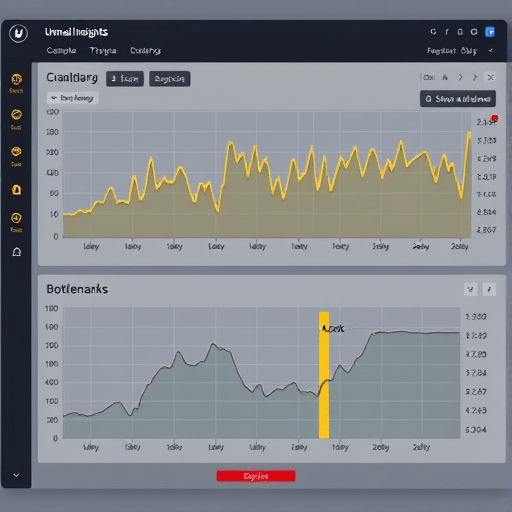
To know whether a back catalog bundle is working beyond raw revenue, track the metrics that reflect cross-selling behavior. Look at the attach rate: how many players who bought the bundle have played more than one game in it? Check whether the bundle produced new wishlists for an upcoming title, and compare that number with a typical seasonal sale. Also measure the shift in lifetime value across your player base. If a player bought a 2022 game at full price and then returned for a bundle that included a 2024 title, that is a different journey from a player who bought only the new game during a 75 percent discount.
Session time is another signal. A bundle that includes four short games should ideally show a player moving from one title to another within a few weeks. If they only play one game and ignore the rest, the bundle may be too broad or too disconnected. This feedback loops back into your next bundle design, helping you figure out which combinations feel natural and which ones are simply cheap inventory.
In the end, the real power of a back catalog bundle is not the immediate cash infusion. It is the way it shapes how players perceive your studio. A thoughtful bundle says that you value every stage of your creative journey, that you believe your games are stronger together, and that you are willing to make discovery easier for players who are curious about your work. That perception pays off long after the bundle leaves the front page.
Back catalog bundles are a cross-selling engine that runs on player trust. When indie devs package older titles with the same care they would give a new release, they turn dormant games into entry points, treat past work as a connected universe, and create a catalog where every title supports the others. The result is not just a good sales week; it is a sustainable way to raise the lifetime value of every game you have already made and every game you will make next.