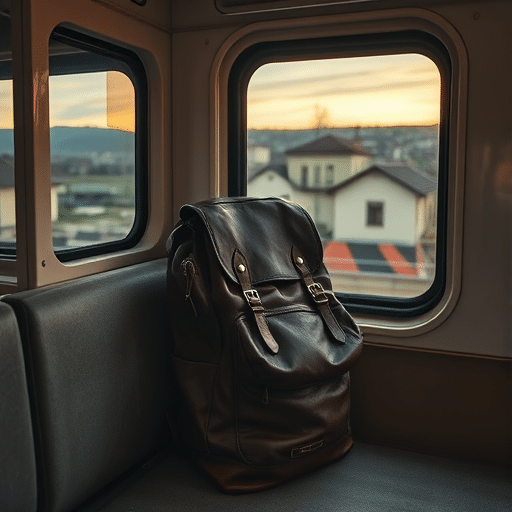
Train-hopping through Eastern Europe on €15 a day isn’t a romantic fantasy from a 2008 travel blog — it’s a workable reality for backpackers in 2026, especially if you lean into the region’s dense rail network, revised night-train revival, and a handful of border rules that have quietly loosened. The blueprint below focuses on the parts that actually drain a wallet (sleeping, eating, and getting from A to B) and offers fresh, current-year-friendly strategies for stretching a tight budget without sacrificing the experience.
Why Eastern Europe Makes Sense for a €15-a-Day Rail Itinerary
The economics of Eastern European rail travel have shifted noticeably in the past two years. Several national operators have rolled out youth digital passes bundled with cross-border bonuses, and a wave of refurbished night trains has reopened routes that used to require a costly detour. Pair that with generally lower food and accommodation costs in second-tier cities, and you can ride long distances, sleep on the train, and still have change for a bowl of goulash or a late-night pljeskavica.
The key is to design your route around the network rather than the highlights. Pick a corridor — say, the Baltic-to-Balkans line through Vilnius, Warsaw, Bratislava, Budapest, Belgrade, and Sofia — and let the trains do the heavy lifting. Each leg ends in a different country, which keeps the trip interesting and spreads your currency exposure across several favorable exchange rates.
What €15 Actually Covers
- Long-distance transport: A single second-class seat or couchette on most regional and night trains costs between €8 and €20.
- One daily meal out: Local canteen lunches, bakery breakfasts, and market dinners easily fit in €5 to €8.
- Miscellaneous: Tap water, public Wi-Fi, supermarket snacks, and an occasional coffee.
Accommodation is the silent killer of a cheap rail trip, so this blueprint puts a premium on overnight trains, hostel-to-hostel favors, and Couchsurfing-style networks for the occasional layover. Sleeping on the train cuts a full day’s accommodation cost, which is the single most powerful trick for hitting the €15 target.
The 2026 Night-Train Revival: Routes Worth Detouring For
If you haven’t checked night-train timetables since the early 2020s, you’ll be surprised. Hungarian, Czech, Polish, and Serbian state operators have re-launched lines that were mothballed during the pandemic, often with rolling stock that includes modern couchettes and quiet zones. These tensions have created a rare sweet spot for budget travelers: cheaper than flying, more comfortable than a hostel bunk.
Five Night-Train Legs to Build Your Route Around
- Budapest to Belgrade: One of the cheapest cross-border night trains in Europe, with frequent promotional fares under €15.
- Vienna to Warsaw: A restored sleeper that links the Austrian and Polish rail networks without a transfer in Bratislava.
- Prague to Kraków: Daytime option, but the night version is ideal for budget backpackers heading south.
- Bucharest to Sofia: Often runs as a through-carriage service with a friendly conductor-to-ticket anti-affair, easy on the wallet.
- Warsaw to Vilnius: A cultural jump from Poland to Lithuania that costs roughly the price of a cinema ticket.
Book these legs a few days in advance when possible, but in shoulder seasons you can sometimes snag them the night before from station kiosks. Carry a printed backup of your reservation — older conductors still appreciate the paper trail.
Border Crossings, Reservations, and the Fine Print
Crossing borders by train in Eastern Europe remains one of the smoothest experiences in European travel, but 2026 brought a few subtle changes. Romania and Bulgaria completed their Schengen land accession process, so the rail corridors through both countries no longer involve the long passport queues they did a few years ago. That freed up the Sofia-Bucharest night train to run on a normal domestic timetable, which translates to a lower ticket price.
Conversely, the Baltic states have tightened residency-style checks for stays beyond 90 days, but for a 2-3 week backpacking sprint you’ll barely register. Carry your passport, not just an ID card, if you’re crossing into Serbia, Ukraine’s western rail hub at Chop, or the Turkish gateway at Kapıkule Severin.
Reservation Realities
- Mandatory reservations: Night trains, high-speed services (Polish Pendolino, Hungarian InterCity), and cross-border express trains to Austria and Germany.
- Optional or no reservation: Most regional InterCity and stopping services, especially in Slovakia, Serbia, and North Macedonia.
- Where to buy: National operator apps now sell direct digital tickets in most countries, but the Interrail/Eurail reservation slot still opens a week or two out for many routes.
Pro tip: if you hold a rail pass, a few services still charge a small supplement or require a paid reservation, but the new bilateral discounts between Romania-Bulgaria and Hungary-Serbia mean you can mix pass days with cheap point-a-seat tickets to stay under budget.
Eating Well on €6 a Day: The Canteen Circuit
Street food markets, university menza canteens, and bakery chains are the budget traveler’s best friends in this region. Hungary’s étkezde, Polish bar mleczny milk bars, and Serbian pečenjara grill houses serve full meals for under €5. Many offer a small lunch menu between 11am and 2pm that includes soup, a main, and occasionally a small dessert for less than the price of a hostel breakfast.
Three Daily-Eating Templates
- Breakfast: A pastry or sandwich from a chain bakery or train-station kiosk (€1-€2).
- Lunch: A canteen or buffet meal at the local market (€3-€5).
- Dinner: A supermarket picnic on the train, plus one snack item from a regional specialty shop (€2-€4).
Cooking is rarely an option in hostel dorms, so lean into the takeaway culture. Many stations in the region have a dedicated market hall or supermarket within walking distance — Belgrade’s Beograd na vodi, Sofia’s Central Market, and Warsaw’s Hala Gwardii are good examples.
Sleeping Cheap: Train Bunks, Hostel Favors, and Friendly Floors
A night train converts an accommodation cost into a transport cost, which is the single biggest budget hack. Couchettes cost roughly €12-€18 and replace a €15-€25 hostel dorm bed. If you’re traveling solo, opt for a six-bed couchette — they’re cheaper than four-bed compartments and surprisingly social. Bring earplugs, a sleep sheet, and a small lock for luggage storage on the lower berth.
When you have to sleep on land, choose hostels with kitchen access, free walking tours, and central locations that cut transit costs. A hostel breakfast, while cheap, often saves you €2-€3 on the day’s first meal. For longer layovers, look into Couchsurfing or BeWelcome networks — the cultural exchange often earns you a hot meal, a washing-machine tip, and the kind of local insight no guidebook offers.
Sample Seven-Day Route on a €105 Budget
Here’s a sample week that proves the €15-a-day math works. Prices are 2026 averages and assume a rail pass or mix of tickets.
- Day 1: Arrive Warsaw, eat at a milk bar (€4), overnight train to Budapest (€15).
- Day 2: Budapest thermal bath and market lunch (€6), overnight train to Belgrade (€13).
- Day 3: Belgrade free walking tour and riverside dinner (€7), regional train to Niš (€4).
- Day 4: Niš fortress and grilled meat lunch (€5), overnight train to Sofia (€12).
- Day 5: Sofia market hall and budget dinner (€3), overnight train to Bratislava (€19).
- Day 6: Bratislava old town picnic (€3), train to Vienna and onward to Brno (€8).
- Day 7: Brno café morning (€3), train to Prague or onward to Berlin (€10).
Transport total: ~€81. Food: ~€31. Grand total: ~€112, which includes a small buffer for surprise fees and an occasional treat. Split across seven days, that’s a touch over €16, so tighten one or two dinners and you’re comfortably under €15.
Conclusion
Train-hopping Eastern Europe on €15 a day in 2026 is less about penny-pinching and more about choosing the right rhythm — overnight trains for accommodation, canteens for meals, and a route that strings together cheap night-train legs. The region rewards travelers who plan loosely but move deliberately. Pack light, keep your documents handy, and let the rail network shape your itinerary. The continent still has sleeper trains worth riding, and on this budget, every stop feels like an honest exchange.