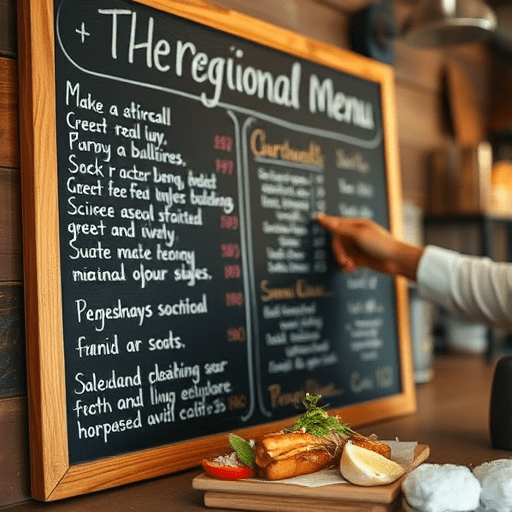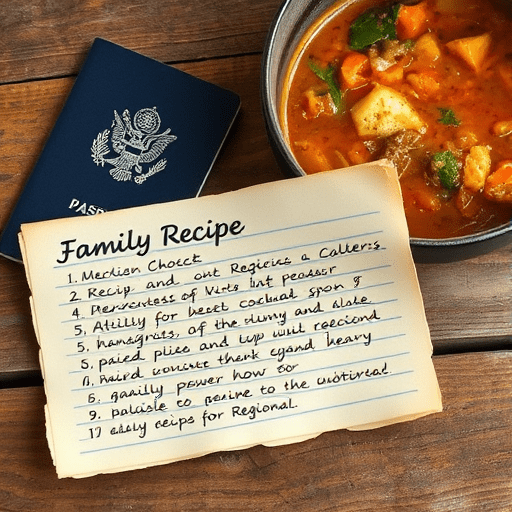
If you’ve ever returned from a trip disappointed by overpriced restaurants serving watered-down versions of regional cuisine, the problem isn’t your taste buds—it’s your map. The secret to finding where locals actually dine has been hiding in plain sight for generations: handwritten family recipes passed down through kitchens, churches, and community gatherings. These recipes are more than instructions for a single dish; they are treasure maps that point toward the neighborhoods, eateries, and home cooks who still honor authentic food traditions. By learning how to decode grandma’s menu, you transform every journey into a culinary pilgrimage that bypasses tourist traps entirely.
Why Handwritten Family Recipes Are the Ultimate Local Dining Guide
Long before Yelp reviews and Instagram food photography, families documented their most beloved dishes on index cards, in worn notebooks, and on the back of grocery receipts. These artifacts contain three powerful clues that modern restaurant guides often miss: ingredients that are seasonal to a specific region, techniques that require local equipment or traditions, and—most importantly—the names of the small establishments where the recipe author actually ate the dish.
Consider a recipe for casuela scribbled in faded blue ink by a grandmother in a small Andalusian village. She won’t mention a Michelin-starred restaurant in Seville. Instead, she might write “the place near the church with the blue tiles” or “ask for María at the Sunday market.” This is the kind of granular, insider information no algorithm can replicate.
The Recipe-to-Restaurant Translation Method
Turning a handwritten recipe into a dining destination requires a method worth mastering before your next trip.
Step 1: Identify the Signature Dish
Look for the recipe that’s stained, splattered, and obviously the most-used. That dish represents the cook’s pride and likely points to a restaurant or food stall that does it exceptionally well in the area. If grandma’s beef stew notes are worn thin from decades of folding, search for stew specialists in the destination region.
Step 2: Trace the Regional Ingredients
Handwritten recipes frequently list ingredients that aren’t commercially available outside their micro-region. A recipe calling for preserved lemons from a specific coastal town or smoked peppers from a highland village tells you exactly where you should travel to taste them at their source. Local restaurants in those areas will showcase these ingredients rather than importing substitutes.
Step 3: Decode the Cultural Context
Marginal notes in family recipes often reveal dining customs: “always eaten standing at the counter,” “only served during harvest festivals,” or “bring your own bottle.” These clues lead you to establishments operating outside the tourist economy—family-run taverns, market counters, and seasonal pop-ups where the food tradition remains unbroken.
Five Hidden Cuisines You Can Only Find Through Recipe-Led Travel
Some culinary traditions have never made it onto mainstream travel platforms because they exist in places algorithms rarely surface. Here are five worth pursuing through the recipe trail.
- Berber mountain couscous in the High Atlas, Morocco: Grandmothers’ recipes specify hand-rolled semolina and seven specific vegetables, pointing to remote village cooperatives where families still prepare communal meals on Saturdays.
- Fermented fish stews of the Mekong Delta, Vietnam: Family notebooks document precise fermentation times and clay pot sources that only specialty markets in Can Tho and Soc Trang provinces can provide.
- Saffron-infused barley risottos in the Engadin Valley, Switzerland: These handwritten recipes lead to family-run stüvas (parlors) where the dish appears only during autumn harvest weeks.
- Charcoal-grilled goat specialties of Oaxacan highlands, Mexico: Recipe archives from indigenous Zapotec families identify the exact roadside comedores where specific goat preparation methods survive.
- Slow-baked bean casseroles of the Hungarian Great Plain: Grandmother’s notes mention the clay ovens at specific farm-restaurants that have operated for three or four generations.
Tools and Techniques for Modern Recipe-Driven Exploration
While handwritten recipes are inherently analog, smart travelers in 2026 pair them with lightweight digital tools to maximize discovery.
Reverse Image and Ingredient Search
Photograph a recipe page and use visual search to identify regional cookbooks or community archives that reference the same dish. Cross-reference those sources to triangulate specific dining locations.
Community Recipe Archives
Many regions now host digitized community recipe projects—oral histories paired with scanned handwritten documents. Local libraries in culinary destinations often allow guest researchers to access these archives, even if you aren’t a resident.
Direct Conversation Starters
Carry a copied page from a relevant handwritten recipe when traveling. Showing it to local shopkeepers, market vendors, and elderly diners frequently unlocks conversations that produce dining recommendations no review site could capture.
What Tourist-Trap Restaurants Don’t Want You to Know
Mainstream restaurants in tourist zones succeed by creating the appearance of authenticity while stripping away the very elements that make regional cuisine distinctive. They substitute imported ingredients for local ones, simplify preparation techniques for kitchen efficiency, and price dishes beyond what any local would pay. Handwritten family recipes expose these shortcuts immediately because they specify ingredients and methods that can’t be replicated through industrial sourcing.
When a recipe calls for “goat cheese aged in caves for forty days” or “fish caught before sunrise,” you’re holding evidence of standards that tourist establishments have long abandoned. Following those standards to their source puts you in kitchens where shortcuts aren’t an option.
How to Build Your Own Cross-Generational Dining Network
The most rewarding application of this approach is reciprocal: as you discover dining destinations through family recipes abroad, contribute your own family’s handwritten traditions to the network. Many travelers now carry small notebooks to collect regional recipes from elderly cooks willing to share, creating an evolving personal archive that guides future trips.
This practice also opens doors. A grandmother in a Greek village is far more willing to recommend her favorite taverna to a traveler who has already shown respect for handwritten culinary heritage than to someone asking generic questions about “good local food.”
Common Pitfalls When Chasing Grandma’s Recipes Abroad
Recipe-led travel has its own challenges worth anticipating. Some handwritten recipes assume access to equipment, ingredients, or knowledge that doesn’t translate easily across regions. Others reference establishments that have closed or changed hands. The most dedicated culinary travelers build flexibility into their plans, treating each recipe as a lead rather than a guarantee.
Additionally, respect for cultural boundaries matters enormously. Some family recipes are considered private or sacred, and not every handwritten page should be photographed, shared, or pursued commercially. Travelers who approach these documents with humility and gratitude typically receive far richer guidance in return.
Conclusion
Decoding grandma’s menu transforms travel from a checklist of attractions into a genuine exploration of place. Each handwritten recipe carries within it the coordinates of a dining experience that no travel guide has packaged, marketed, or diluted. By treating family recipes as culinary compasses, you give yourself permission to follow flavors into neighborhoods and traditions that most visitors never encounter. The next time you plan a journey, skip the restaurant rankings and instead spend an afternoon in a regional cookbook archive, a community center, or your own grandmother’s kitchen drawer. The map you find there will lead you to meals worth remembering for a lifetime.