If you’re a backpacker eyeing Southeast Asia in 2026, your luggage is about to get greener. This Zero‑Waste Packing List for Backpackers in Southeast Asia gives you a step‑by‑step roadmap to cut single‑use plastic consumption by 90% while keeping your gear lightweight and functional. From essential gear to daily hacks, we’ll cover everything you need to pack sustainably without sacrificing comfort or safety.
1. Understand Your Plastic Footprint Before You Pack
Before you open the bag, take a moment to quantify what a typical backpacking trip would mean for plastic waste. In Southeast Asia, plastic bags, straws, bottled water, and disposable toiletries are everywhere. Knowing where the biggest waste comes from helps you prioritize the items you bring.
- Plastic water bottles – 2–3 per day in tourist hotspots.
- Disposable coffee cups and take‑away containers.
- Single‑use shampoo/soap packets.
- Plastic cutlery and plates at night markets.
Targeting these five categories will reduce the bulk of plastic usage. Your zero‑waste strategy will focus on these, plus a few extra items that make life easier when you’re on the move.
2. Core Packing Principles
2.1. Minimize, then Reuse, then Recycle
Apply the “3 R’s” of zero‑waste to each item you bring. Think twice before adding a new product: could you use a reusable version? If not, consider a biodegradable or recyclable alternative.
2.2. Choose Multi‑Functional Gear
When space is at a premium, double‑purpose items become a lifesaver. A hammock that also doubles as a towel, a travel blanket that’s a poncho, or a bag that can convert into a backpack are all examples of multi‑functional gear that cuts down on plastic and bulk.
2.3. Pack Light, Pack Right
Use a packing cube system with natural fibers. Natural fabrics (cotton, linen, hemp) are more breathable and easier to wash than many synthetic alternatives that require frequent washing, which can lead to micro‑plastic release.
3. Essential Zero‑Waste Gear
3.1. Reusable Water System
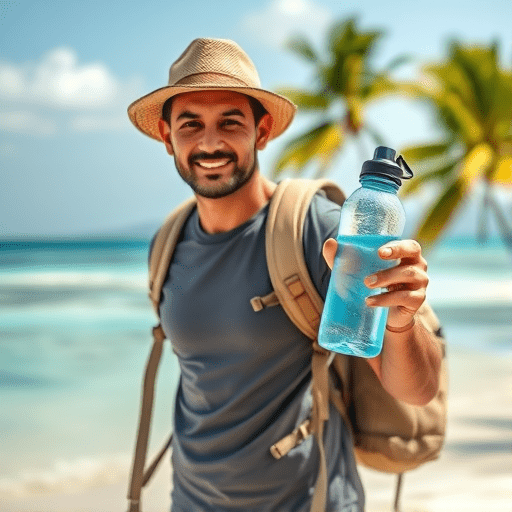
- Sturdy, collapsible stainless‑steel water bottle (e.g., Nalgene or Hydro Flask).
- Water filter pouch or camp filter (e.g., LifeStraw, Sawyer Mini).
- Leak‑proof refillable water bottles with airtight seals to avoid condensation on walls.
3.2. Refillable Toiletries
- Travel‑size refillable shampoo/soap bottle (burlap or silicone).
- Condensed solid shampoo bars (be gentle on skin and plastic).
- Reusable bamboo toothbrush with a natural bristle brush holder.
- Small container of reusable deodorant (e.g., roll‑on or stick).
3.3. Eco‑Friendly Food and Tableware
- Set of silicone or bamboo plates and bowls that fold flat.
- Collapsible bamboo or stainless steel utensils.
- Reusable straws: stainless steel, silicone, or glass (with a small carrying pouch).
- Reusable food storage bags (silicone or beeswax wrap).
3.4. Smart Tech and Accessories
- Solar charger or a lightweight power bank (use a reusable charging case).
- Biodegradable phone case or a small reusable protective sleeve.
- Compact travel umbrella (waterproof fabric, no plastic poles).
- Portable, refillable food container with a silicone lid.
4. Practical Packing Tips for Southeast Asia
Climate, culture, and infrastructure vary across countries such as Thailand, Vietnam, Indonesia, and Malaysia. Adjust the base list based on local conditions.
4.1. Climate‑Specific Adjustments
- Rainy season: pack a packable waterproof poncho made of recycled polyester.
- Hot season: choose light cotton or hemp clothing with UV protection.
- High humidity: bring a small, breathable face mask that can be washed and reused.
4.2. Cultural Sensitivity and Local Resources
- In most hostels, refill stations are available – plan to use them (e.g., free tap water).
- Night markets often use bamboo or metal utensils – bring your own to avoid plastic.
- Many local shops sell reusable water bottles and eco‑toiletries; look for certified labels.
4.3. Storage and Organization
Use a dedicated section in your backpack for zero‑waste items: a sealed pouch for utensils, a small drawer for toiletries, and a separate compartment for reusable food containers. This ensures you always have quick access, reducing the temptation to buy disposable items on the spot.
5. Daily Life Hacks to Avoid Single‑Use Plastic
5.1. Water
- Carry a reusable bottle at all times; refill at public fountains or at hostels.
- If you encounter bottled water, transfer it into your stainless steel bottle using a bottle funnel.
- Never bring bottled drinks from convenience stores unless you plan to refill.
5.2. Food
- Ask for sauces or condiments in refillable containers at local eateries.
- Request no plastic wrappers or bags; if they insist, offer your reusable bag.
- Carry a small collapsible silicone bowl for street food leftovers.
5.3. Toiletries
- Use a small, refillable container for shampoo and soap; avoid single‑use packets.
- After each shower, wash your bamboo toothbrush with a small water bottle and soap.
- Use a small jar for deodorant that can be refilled with solid stick deodorant.
5.4. Shopping and Souvenirs
- Buy items in bulk when possible to avoid packaging waste.
- Look for products with minimal or recyclable packaging.
- Refuse plastic bags from vendors; bring a reusable tote.
6. Sustainable Alternatives While Traveling
When you’re on the move, certain conveniences often come in plastic. Replace them with eco‑friendly alternatives.
- Reusable Straws – Bring a stainless steel straw with a cleaning brush. Replace the single‑use plastic straws at cafés.
- Travel‑Sized Refills – Use silicone refilling tubes for shampoo, soap, and body wash.
- Eco‑Friendly Luggage Tags – Fabric or metal tags reduce the need for plastic.
- Biodegradable Trash Bags – For collecting waste that you can’t leave behind; these will break down in landfills.
7. Staying Zero‑Waste in Hostels and Food Markets
Hostels are often the most convenient and cost‑effective accommodation for backpackers, but they can be a plastic pit‑fall. Here’s how to keep it green.
- Check if the hostel offers free refill stations for water and laundry soap.
- Use a small, reusable bag for laundry; avoid plastic laundry bags.
- When using public showers, bring your own shampoo and body wash to avoid plastic bottles.
- At food markets, ask vendors for your own container to pack leftovers; many are happy to do so.
8. Packing Out: Leave No Trace
Zero‑waste isn’t just about what you bring; it’s also about what you leave behind. Pack out any leftover packaging, even if it’s biodegradable, and ensure you’re not contributing to local waste streams.
- Use a small, sealable bag for collected plastic or paper waste.
- When you have enough, consider a small donation to a local beach or river cleanup organization.
- Document your zero‑waste journey and share best practices with fellow travelers.
9. Final Checklist
[ ] Reusable stainless steel water bottle (collapsible)
[ ] Water filter pouch or camp filter
[ ] Refillable shampoo/soap bottle
[ ] Solid shampoo bar
[ ] Reusable bamboo toothbrush + holder
[ ] Small deodorant refill container
[ ] Silicone or bamboo plates & bowls
[ ] Collapsible bamboo utensils
[ ] Reusable stainless steel or silicone straws
[ ] Reusable food storage bags
[ ] Solar charger or power bank
[ ] Compact umbrella (waterproof fabric)
[ ] Reusable face mask (washable)
[ ] Packable waterproof poncho (if traveling in rainy season)
[ ] Light, breathable clothing (cotton/h hemp)
[ ] Reusable tote bag (fabric)
[ ] Sealable bag for waste
[ ] Small collapsible silicone bowl
Pack each item in a designated compartment to ensure you don’t lose track of them during the trip. Keep the list handy to double‑check before you leave the house.
By following this Zero‑Waste Packing List for Backpackers in Southeast Asia, you’ll dramatically reduce your single‑use plastic footprint. Not only will you preserve the natural beauty of the region, but you’ll also set a powerful example for fellow travelers. Good luck, and enjoy a cleaner, greener adventure.