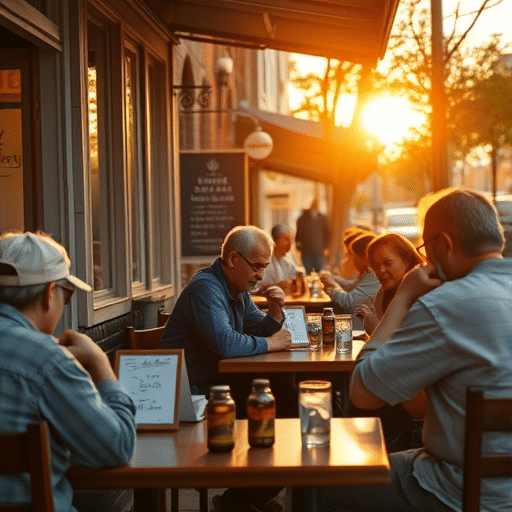
Anyone who has traveled internationally knows the sting of sitting down at a charming sidewalk cafe, only to receive a bill that triples what locals pay for the same plate of pasta. The difference rarely comes down to luck. In nearly every city, there exists an unspoken restaurant etiquette, a quiet code of behavior that regulars follow to find authentic, affordable meals without falling into tourist-markup traps. Understanding these unwritten rules transforms a trip from a string of overpriced disappointments into a genuine culinary adventure.
Why Tourist Restaurants Charge More (And How Locals Spot Them)
Restaurants near major landmarks, cruise ports, and transit hubs pay premium rent. To survive, they inflate prices, shrink portions, or both. Locals recognize these establishments instantly by a handful of telltale signs: menus in six languages, aggressive hosts standing outside beckoning passersby, and pictures of every dish accompanied by exclamation points. More importantly, locals know exactly where these places end and where the neighborhood’s real dining scene begins, usually just two or three blocks away from the main drag.
The trick is not just about finding cheaper food. It is about finding better food. Tourist-oriented kitchens optimize for quick, inoffensive meals that appeal to unfamiliar palates. Neighborhood spots cook for repeat customers who care about seasoning, freshness, and tradition. The price difference reflects this philosophy more than any markup scheme.
The Hours Locals Eat (And Why Timing Matters)
One of the most reliable signals locals have is the rhythm of their own city. In Spain, lunch before 1:30 PM means missing the menu del dia. In France, arriving at 8:00 PM makes you the only diner in the room. In Japan, showing up at 6:00 PM for dinner guarantees an empty counter and confused chefs.
Locals understand that restaurants exist in waves. The first wave, often 11:30 AM to noon, consists of workers grabbing quick lunches. The second wave, the main local crowd, arrives when regulars do, which is almost never when guidebooks suggest. Adjusting your schedule by even ninety minutes can mean the difference between an authentic experience and a sterile one.
- Research the local meal schedule before arriving, not just the cuisine
- Eat when office workers eat, not when hotels serve their buffets
- Avoid the 7:00 to 8:30 PM tourist rush in cities where dinner starts at 9:00 PM
Reading the Menu Like a Local
Menus reveal enormous amounts of information to those who know how to read them. Locals scan for several things: items without prices (often the freshest daily specials), sections labeled in the local language only (suggesting no tourist marketing), and photographs (almost always a warning sign in serious restaurants).
Another quiet rule involves asking questions. Servers at neighborhood spots expect diners to inquire about ingredients, preparation methods, and recommendations. In tourist zones, the same questions are often met with rehearsed English responses designed to upsell. Locals ask because they want to know. The servers know the difference.
The Daily Special Code
In many cultures, the dish of the day is the freshest, most carefully prepared offering. French plat du jour, Italian piatto del giorno, and Japanese omakase all reward diners who trust the kitchen. Ordering the special signals respect for the chef’s expertise and often unlocks better value than the printed menu.
The Seating Hierarchy That Reveals Quality
Where you are seated in a restaurant communicates volumes. Locals know that the best seats are rarely by the window. In serious dining establishments, prime tables go to regulars, not to those with the biggest cameras. Being shown to a table near the kitchen door, the bathroom, or the entrance is rarely an accident.
The counter, however, is sacred. In sushi bars, ramen shops, dim sum halls, and tapas bars, the counter often provides the best experience. Chefs interact with counter diners, offer recommendations, and occasionally slip extras to those who show genuine interest. This is where locals sit, and where curious visitors should aim as well.
How Locals Actually Find Their Restaurants
Forget the algorithm-driven lists that dominate travel searches. Locals discover restaurants through word of mouth, neighborhood walks, and what can only be described as culinary intuition. They notice where delivery drivers wait, where taxis queue, and which spots have lines that move quickly because the kitchen knows what it is doing.
Other reliable signals include:
- Where office workers gather at lunch, a sign the food is both good and fairly priced
- Where families with children eat on weekends, indicating reasonable prices and consistent quality
- Where market vendors and shop owners go after closing, often the most authentic meals available
- Where the menu is handwritten and laminated, usually a small establishment with high turnover
The Quiet Etiquette That Wins Respect
Beyond finding the right restaurant, locals follow certain behaviors that ensure good service and fair treatment. These rules are rarely written down but universally understood.
First, learn the basic pleasantries in the local language. Saying hello, please, and thank you in the native tongue demonstrates respect and immediately differentiates you from tourists expecting everyone to speak English. Second, never announce that you are just visiting unless asked. Servers calibrate their recommendations based on perceived knowledge, and overemphasizing your tourist status can lead to oversimplified suggestions and inflated prices.
Third, respect the pacing. Rushing through a meal signals that you are unfamiliar with the local culture of dining. Locals linger over coffee, order multiple courses slowly, and treat meals as social occasions rather than fuel stops. Matching this pace often results in better service and occasional kitchen gifts.
Tipping Without Offending
Tipping customs vary dramatically worldwide, and locals know the rules instinctively. Leaving a 20% tip in a country where service is included confuses servers. Leaving nothing in a culture that expects 10% can cause genuine offense. Researching tipping etiquette before arriving is one of the simplest ways to demonstrate cultural awareness and avoid awkward situations.
The Markets, Stands, and Hidden Counter Service
Some of the best meals locals eat never involve sitting down at all. Markets, food halls, bakeries, and takeaway counters provide meals that are often cheaper, fresher, and more representative of local cuisine than any restaurant. A sandwich from a neighborhood bakery in Vienna, dumplings from a market stall in Taipei, or a slice of pizza al taglio in Rome can cost a fraction of restaurant prices while delivering authentic flavors.
The unspoken etiquette here involves observation. Locals watch what regulars order, note which items sell out first, and follow the rhythm of the queue. They bring cash, speak briefly, and eat where the vendor suggests rather than where a guidebook recommends.
Conclusion
Eating like a local is less about memorizing specific restaurants and more about understanding the unspoken etiquette that governs how residents navigate their own food culture. Timing, menu literacy, seating awareness, and respectful behavior collectively signal that you are a serious diner rather than a passing tourist. The rewards extend beyond savings: meals become more authentic, service becomes warmer, and the experience becomes genuinely memorable. The next time you travel, remember that the most valuable guide is not an app but the quiet observation of how locals actually eat.