The 4K gaming race in 2026 has taken an unexpected turn. Next-generation consoles from Sony and Microsoft are quietly outperforming mid-range PC builds in memory-heavy scenarios, and the reason lies not in raw GPU horsepower but in a fundamental shift: unified memory architecture is outpacing traditional discrete VRAM. For gamers building or upgrading a PC this year, understanding this architectural divide is no longer optional.
The Death of the “More VRAM Is Better” Myth
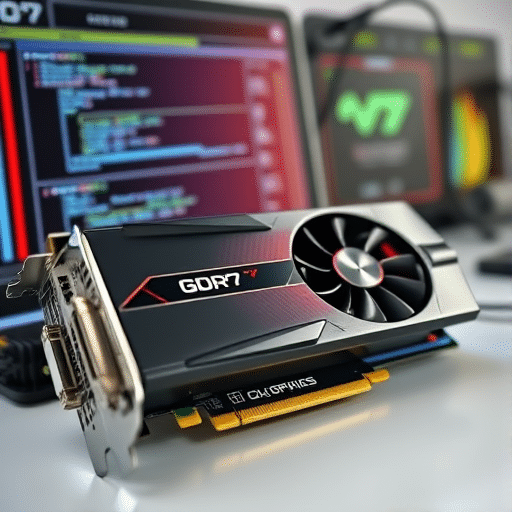
For nearly a decade, the consumer GPU conversation revolved around frame buffer size. Cards launched with 8 GB were labeled future-proof; 12 GB cards were considered elite. In 2026, that logic has collapsed. Mid-range GPUs shipping with 12 GB or even 16 GB of GDDR7 are still choking on modern titles at native 4K, while consoles with smaller memory pools deliver smoother, higher-fidelity experiences.
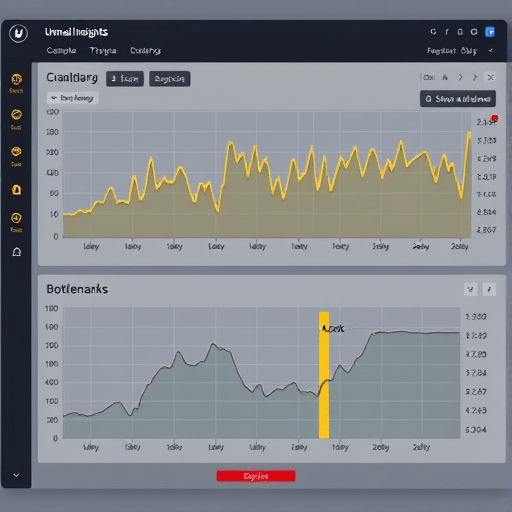
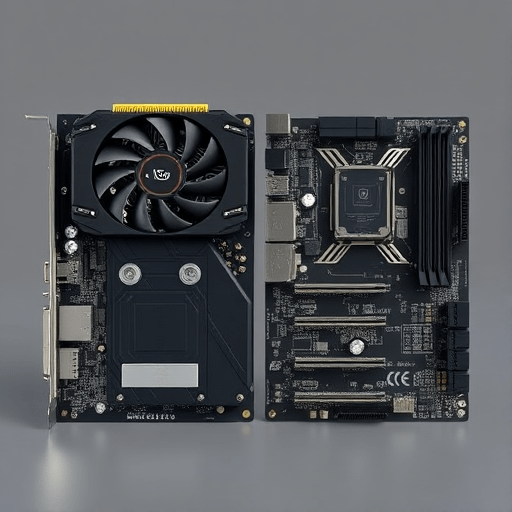
The bottleneck is not capacity. It is bandwidth, latency, and data locality. Discrete GPUs still rely on a narrow PCIe bus to communicate with system RAM, forcing the CPU and GPU to constantly negotiate asset streaming, decompression, and frame presentation across separate memory pools.
Why Bandwidth Per Dollar Has Shifted
GDDR7 delivered impressive raw bandwidth gains when it launched, but pricing kept high-capacity configurations out of reach for budget-conscious builders. A 16 GB GDDR7 card now costs north of $500, and at 4K with path-traced effects enabled, even that memory pool saturates. Consoles, meanwhile, leverage wide unified memory buses with effective bandwidth exceeding 700 GB/s, with no upgrade tax attached.
How Console Unified Memory Actually Works
Unified memory in modern consoles is not a new idea — APUs have used shared memory for years — but the 2026 generation refined it into something the PC industry has not yet replicated at consumer scale.
- A shared LPDDR5X pool: Both CPU cores and GPU cores access the same physical memory, eliminating copy operations.
- Hardware-accelerated compression: Lossless and lossy texture compression happens at the memory controller level, reducing effective footprint.
- Page-aware allocation: The OS treats GPU textures and CPU data as first-class citizens with predictable residency.
- Zero-copy streaming: Assets load directly from storage into memory regions the GPU can render from without staging buffers.
The result is a system where a console with 16 GB of unified memory can outperform a PC with 16 GB of discrete VRAM in cache-miss-heavy workloads. The PC is effectively flying with one wing while juggling transfer overhead.
The PC’s Structural Disadvantage in 2026
Mid-range PC builders are caught in a peculiar squeeze. Flagship GPUs like the upcoming RTX 60-series and AMD’s next-gen cards push memory capacity to 24 GB or even 32 GB, but those cards cost as much as a used car. The $300 to $600 segment — historically the sweet spot for gamers — is now the most memory-starved tier in the market.
The Resizable BAR Promise That Stalled
Resizable BAR (Base Address Register) was supposed to bridge the gap by giving CPUs full visibility into GPU memory. In practice, driver overhead, game engine quirks, and inconsistent implementation have limited real-world gains. Many titles show single-digit percentage improvements, far short of the theoretical uplift promised at launch.
PCIe 5.0 Did Not Save the Day
Doubling PCIe bandwidth from 4.0 to 5.0 helped, but the underlying problem remains: even at 64 GB/s, the CPU-to-GPU channel is a fraction of internal GPU memory bandwidth, which routinely exceeds 1 TB/s on discrete cards. Latency-sensitive workloads like frame pacing and asset streaming still suffer from the architecture.
Where Mid-Range PCs Are Quietly Losing
The 4K race is not only about rasterization anymore. Three areas in particular expose the gap:
Path-Traced Reflections and Global Illumination
Modern engines render secondary rays, probe volumes, and reflection targets that scale aggressively with screen resolution. A single 4K frame with full path tracing can demand more than 10 GB of working memory. Mid-range cards either downsample aggressively or suffer texture pop-in, while consoles stream data with minimal handoff delay.
Open-World Streaming Worlds
2026’s biggest releases feature seamless open worlds with no loading screens. These titles rely on aggressive asset streaming, with hundreds of megabytes of geometry and texture data flowing through memory every second. Console unified memory handles this naturally; discrete PC VRAM becomes a traffic jam.
AI-Driven Upscaling at 4K Output
DLSS, FSR, and XeSS all benefit from frame data residing in fast memory. When the underlying 4K frame is reconstructed from a lower internal resolution, the source data must arrive at the GPU on time. Memory contention between CPU and GPU pipelines introduces micro-stutters that upscale pipelines cannot fully mask.
Is There a Path Forward for PC Builders?
Yes, but it requires rethinking what “mid-range” means in 2026. Several trends are emerging.
- APU resurgence: AMD’s Strix Halo successors and Intel’s upcoming integrated solutions offer credible unified memory at sub-$500 price points, trading flagship GPU performance for memory coherence.
- External GPU enclosures with unified pools: Thunderbolt 5-based docks with on-board LPDDR6 are being prototyped, though latency remains a hurdle.
- Game engines optimized for split memory: Unreal Engine 6 and Unity’s latest builds include memory residency hints that reduce CPU-GPU handoffs when developers opt in.
The honest truth is that for gamers targeting 4K with maximum fidelity in 2026, a console now offers better value per dollar in the mid-range, while truly high-end PCs remain relevant for those willing to spend $1,500 or more on flagship hardware.
What This Means for Purchasing Decisions
If you are shopping for a gaming system in 2026 and your target is 4K at high settings, your decision matrix has shifted. Memory architecture matters as much as raw GPU tier. Buying a mid-range card with 12 GB of GDDR7 in 2026 is not the bargain it once seemed.
Console buyers get a coherent memory subsystem designed as a whole. PC buyers who want similar coherence either step up to flagship GPUs with massive VRAM pools or pivot toward APU-based systems that trade brute force for architectural efficiency.
The 4K race was never just about teraflops. In 2026, the platforms winning that race are the ones that stopped treating memory as a commodity.