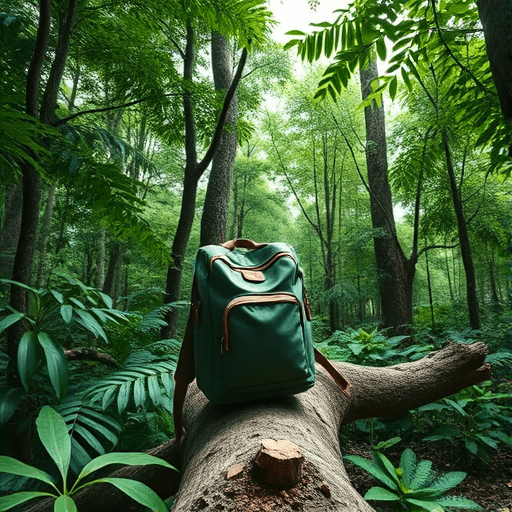
Embarking on a trek through the Amazon in 2026 offers an unparalleled adventure, but it also comes with a responsibility to protect one of Earth’s most delicate ecosystems. Zero‑Waste Backpacking in the Amazon: A Step‑by‑Step Guide for 2026 is designed for the modern, tech‑savvy traveler who wants to explore the rainforest while leaving no trace, cutting waste, and boosting the local economies that sustain the region. This guide walks you through gear selection, daily waste‑free routines, and community‑benefiting practices that align with the latest environmental standards and the growing trend of responsible eco‑tourism.
Why Zero‑Waste Backpacking Matters in 2026
In 2026, the Amazon faces mounting pressures from climate change, deforestation, and increased tourism. Each kilogram of plastic waste left behind can take centuries to decompose, threatening wildlife and local communities. A zero‑waste approach reduces your ecological footprint, supports biodiversity conservation, and sets a powerful example for other travelers. Moreover, by choosing sustainable products and paying for ecosystem services, you directly contribute to the livelihoods of indigenous groups who steward these lands.
Gear and Packing Checklist for a Zero‑Waste Trek
Sustainable Backpacking Essentials
When packing, prioritize items made from recycled or rapidly renewable materials. A 40‑liter, high‑pressure polyethylene pack with a built‑in rain cover is a durable, lightweight choice. Replace single‑use batteries with solar‑powered LED headlamps, and choose a modular water filtration system that uses ceramic or carbon media instead of disposable filters.
Zero‑Waste Food and Hydration
Plan meals around dehydrated, nutrient‑dense foods that require no packaging. A compact, reusable silicone cooking pot and a collapsible, BPA‑free water bottle reduce plastic waste. Use plant‑based, biodegradable seasoning packets or a refillable spice jar, and avoid single‑use coffee pods. Pack a small, high‑efficiency dehydrator powered by a portable solar panel to preserve fresh produce.
Eco‑Friendly Shelter and Camping
A lightweight, double‑layer tarp made from recycled polyester provides protection from the rainforest’s heavy rains while keeping your pack dry. Pair it with a collapsible, foam‑filled sleeping pad that is recyclable at end of life. A campfire ring made from stone or a reusable metal grate eliminates the need for disposable fire starters.
Waste Management on the Trail
Leave No Trace Principles Reimagined
Adopt the classic Leave No Trace (LNT) guidelines but update them with modern tools: a GPS app that tracks your trail coordinates for precise route planning, and a mobile waste audit tool that logs every discarded item for later review. This data can help you refine your packing list and inform local conservation initiatives.
Portable Waste Recycling and Composting
Carry a small, hand‑powered composting bin that uses a heat‑induced decomposition process for organic waste. For recyclable items, use a compact, stackable container with clearly labeled plastic, metal, and glass compartments. Some Amazon lodges now offer in‑camp recycling stations; check their schedules in advance so you can deposit properly.
Digital Tracking of Your Waste Footprint
Download an app that estimates the carbon and waste impact of your daily consumption. Many platforms now integrate with wearable trackers to monitor your pack weight, hydration, and energy expenditure, allowing you to optimize your load and reduce unnecessary gear.
Boosting Local Economies: Community Partnerships
Supporting Indigenous Artisans with Sustainable Goods
Purchase gear and accessories directly from local cooperatives. For instance, hand‑woven hammocks, solar panels, and bamboo cookware are produced using low‑impact techniques that provide fair wages. Always verify certifications such as Fair Trade or the Amazon Conservation Association’s Community‑Based Tourism Program.
Eco‑Tourism and Payment for Ecosystem Services
Participate in payment‑for‑ecosystem‑services (PES) schemes where travelers contribute a small fee to fund forest protection projects. Many NGOs now offer digital payment options, reducing the need for cash and ensuring transparent allocation of funds. These payments help preserve habitats, support research, and maintain traditional ways of life.
Practical Checklist: Daily Zero‑Waste Routines
Morning Rituals
- Inspect gear for wear and patch any tears immediately.
- Check your waste audit log to ensure no items are forgotten.
- Prepare a dehydrated breakfast using locally sourced ingredients.
- Hydrate with filtered water from your portable system.
Evening Clean‑up
- Collect all trash and recycle or compost items in their designated containers.
- Use a biodegradable cleaning solution to wash dishes and utensils.
- Store all food in sealed, reusable containers to avoid attracting wildlife.
- Log the day’s waste output in your app to track progress.
Challenges and Solutions for 2026 Amazon Trails
One of the biggest challenges is the region’s unpredictable weather. A high‑pressure polyethylene tarp and a waterproof rainfly ensure you stay dry, while a solar panel keeps your electronics powered. Another issue is the scarcity of waste disposal facilities. By adopting a strict “carry in, carry out” mindset and using composting bins, you mitigate the environmental impact. Lastly, language barriers can hinder communication with local guides. Download offline translation tools and learn basic phrases in Portuguese and indigenous languages to foster respectful interaction.
Conclusion
Zero‑waste backpacking in the Amazon is no longer a niche concept—it is a practical, achievable lifestyle that aligns adventure with stewardship. By meticulously selecting sustainable gear, managing waste responsibly, and partnering with local communities, you can enjoy the rainforest’s wonders while safeguarding its future. As 2026 ushers in new technologies and stronger conservation frameworks, every trekker has the opportunity to lead by example, proving that responsible travel can thrive alongside ecological preservation and economic empowerment.