When free-to-play players begin questioning the value of the coins, gems, shards, or credits they earn in your game, you are witnessing the early stages of soft currency inflation. Unlike hard currency, which players purchase with real money and which tends to hold a relatively stable exchange rate, soft currency is the lifeblood of your daily engagement loop. Once players stop trusting its worth, the entire economic ecosystem of your game begins to wobble, and recovery is far harder than most studios anticipate.
Why Soft Currency Deserves the Same Respect as Hard Currency
For years, developers treated soft currency as a lightweight reward, a shower of coins after a boss fight, a trickle of tokens for logging in, a flood of resources for completing a quest. The implicit assumption was that infinite supply could be balanced by raising prices or unlocking new tiers of spending. That assumption collapses the moment players notice that yesterday’s hard-earned pile of gold can barely afford a basic upgrade today.
The psychology is straightforward. When a player completes a thirty-minute dungeon run and receives enough currency to repair their gear once, the dopamine response that once came from reward anticipation is replaced by frustration. The reward itself has not changed in numerical value, but its perceived value has plummeted. This is the moment soft currency inflation becomes a threat rather than a background variable.
The Hidden Mechanics That Trigger Inflation Spirals
Soft currency inflation rarely appears overnight. It creeps in through a handful of common design decisions that, individually, seem harmless.
Reward Bloat From End-Game Patches
When a new chapter or season drops, developers often raise the reward ceiling to help players catch up. The intention is generous. The result is a population of returning veterans with overflowing wallets, suddenly able to buy whatever they want without engaging with the core loop. Newer players, or those who did not grind during the event, feel punished for their absence.
Aggressive Ad Monetization Loops
Rewarded video ads that grant currency bundles can quietly inject thousands of units into the economy per player session. Multiply this across millions of daily users and you have a hidden printing press. Without sinks that scale with earnings, the market floods.
Predictable, Non-Scaling Sinks
A shop that offers the same items at the same prices for two years cannot absorb a currency supply that grows with each content update. Sinks need to evolve in lockstep with sources, or the economy will tilt.
Warning Signs Your Players Are Losing Confidence
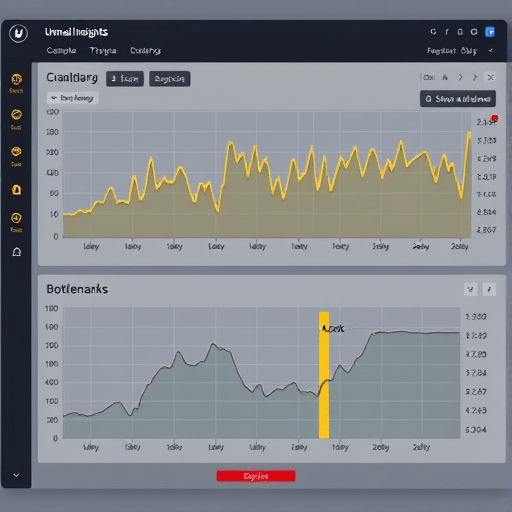
Trust erosion in a soft currency economy rarely shows up in your analytics dashboard as a single alarming spike. Instead, it surfaces as patterns.
- Drop-off in daily active engagement with currency-gated content. Players stop attempting the harder modes because the rewards no longer feel worth the effort.
- Rising complaints about prices in community channels. Reddit threads, Discord servers, and Steam forums fill with screenshots of previously affordable items now costing millions.
- A shift toward pay-to-win sentiment. Players begin framing purchases as necessary rather than optional, a sign they no longer believe the free path yields meaningful progress.
- Hoarding behavior followed by sudden disengagement. Veterans stockpile currency, anticipate a devaluation event, and leave when it arrives.
- Black market trading on third-party forums. Once players seek out unofficial exchange rates, your economy has officially lost the narrative.
What Restoring Trust Actually Requires
Reversing soft currency inflation is not a matter of tweaking a few numbers. It demands a coordinated response that respects the player relationship.
Audit Your Currency Sources and Sinks
Map every inflow and outflow of currency over a typical play session, a typical week, and a typical month. Identify which sources scale with player level, which scale with playtime, and which are fixed events. Then examine your sinks with the same rigor. Repair costs, crafting fees, fast-travel charges, cosmetic purchases, gacha pulls, and tournament entries all serve as demand. The balance between these two sides is the actual health of your economy.
Introduce Sink Inflation That Feels Fair
Raising prices is a legitimate tool, but it must be paired with visible improvements. A new tier of gear that costs ten times more but lasts twice as long is a fair trade. Doubling the cost of an unchanged item feels punitive. Aim for progressive sinks where higher spending unlocks genuine prestige, convenience, or power, rather than simply blocking access.
Reset Expectations Through Transparent Communication
Players forgive rebalances that come with clear explanations. A developer blog post outlining the data behind the inflation, the proposed fix, and the timeline for implementation buys goodwill that no amount of currency compensation can match. Silence, on the other hand, reads as indifference.
Consider Periodic Currency Migrations
Some of the healthiest long-running economies have introduced currency resets or migrations that consolidate fragmented resources into a cleaner system. The transition is painful in the short term but prevents the slow decay of meaning that defines every inflated economy.
The Cultural Stakes of Economic Trust
Soft currency is more than a transactional abstraction. For many players, the pile of coins they accumulate after a long session represents progress, identity, and time invested. When that representation is devalued, the relationship between player and game shifts from partnership to exploitation. Communities splinter, content creators pivot to other titles, and the careful social fabric a studio spent years weaving unravels in months.
This is especially visible in live-service titles that depend on long-tail retention. A player who returns after a six-month break and discovers their currency is essentially worthless is unlikely to return a third time. The opportunity cost of that lost relationship compounds across every future update.
Designing for the Long Game in 2026
The current generation of free-to-play players is unusually literate about economic design. Forum posts dissect drop-rate tables, content creators publish spreadsheet analyses of vendor pricing, and community managers field questions that would have baffled audiences a decade ago. Building a soft currency system in this environment requires humility, data discipline, and a willingness to treat players as informed partners rather than passive consumers.
Studios that succeed treat their economies like living systems. They monitor circulation, they respond to drift, and they resist the temptation to use currency as a quick engagement band-aid. Those that fail treat it like a faucet, cranking output higher whenever retention dips, and they wonder why their communities eventually turn the tap off for good.
Soft currency inflation is not merely an economic problem. It is a trust problem. The moment players believe their time has been devalued, no amount of content can fully restore the relationship. The studios that recognize this early, that design economies meant to age gracefully rather than simply scale, are the ones whose worlds still feel worth returning to a year after launch and a decade beyond.