For years, competitive MMO guilds have watched esports titles build lucrative prize pools while their own clan wars remain underfunded, undervalued, underwritten by goodwill and spreadsheet donations. The challenge isn’t a lack of competitive appetite; it’s that monetizing clan wars too often feels like a tax on the players who already provide the community’s heartbeat. Enter entry fees and transparent prize splits—two mechanics that, when designed with care, can transform clan war funding without pushing guilds away.
This isn’t about pay-to-win shortcuts or publisher vanity tournaments. It’s about building a self-sustaining competitive economy, one where guilds become investors rather than donors.
The Trust Factor: Why Guilds Resist Entry Fees
If you mention “entry fee” to a veteran guild leader, the first question—spoken or not—is almost always: “What’s in it for the guild, and where exactly does that money go?” Skepticism is earned, not baseless. In the past, entry fees have been bolted onto clan war leagues with opaque payout structures, creator kickbacks, and administrative overhead that left winners netting less than they’d contributed.
Today’s competitive leaders demand clarity. A fee without a published disbursement plan is not a fee; it’s a gamble. Guilds are no longer willing to stake their war chest on a vague promise of “a bigger prize pool.” They want line items.
The Difference Between a Fee and a Tax
An entry fee works when it funds something tangible: a cash prize, a trophy, server costs, a season ranking bonus. It fails when it feels like a participation tax, especially if the pool is distributed in a way that only rewards the top one or two clans—the guilds that were likely to win anyway. The middle of the bracket, where a single upset can eliminate a strong roster, tends to carry the financial burden while receiving no return.
Designing a Prize Split That Feels Fair
Transparent prize splits are the backbone of any credible clan war monetization model. Rather than a winner-take-all payout that consolidates wealth in already-dominant guilds, consider tiered distributions that mirror real sports leagues.
Suggested Prize Split Structure
- Champion’s share: 40–50% — enough to keep the top clans hungry without gutting everyone else.
- Placing payouts: 30% for second and third place, spread to cover entry fees and add a small war chest bonus.
- Round-of-16 participation pool: 20% — returned to guilds that made it past the first round but didn’t podium.
- Community bounty: 10% — awarded for sportsmanship, best match, or viewer-voted moments.
This structure does something subtle but crucial: it makes early-round losses financially survivable. When a guild’s investment is partially recouped, the decision to enter the next season becomes easier, not harder.
Beyond Winner-Take-All: Participation Rewards and Season Payouts
Prize pools that only pay the podium ignore the long tail of guilds that keep the league alive. A 16-clan bracket doesn’t run on the strength of its top four; it runs on the twelve clans that showed up, fielded full rosters, and generated the matches viewers actually wanted to see.
Season-ending payouts, based on total matches played and viewership contribution, reward guilds for their commitment rather than just their win-loss record. This model, sometimes called “stipended participation,” treats guilds as broadcast partners rather than customers—and that framing matters enormously.
Transparency as a Retention Tool
Transparency is more than a PR buzzword in this context; it’s a retention strategy. When a guild can see exactly how their entry fee flows into the prize pool, how the league takes its cut, and how payouts are calculated, they stop being a customer and start being a stakeholder.
Public Ledger Boards
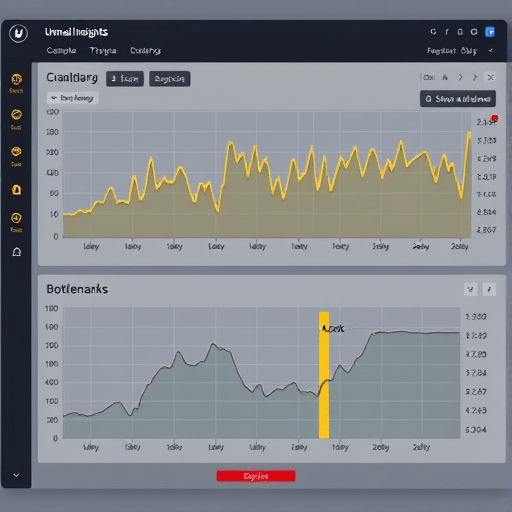
Publishing a live ledger of the season’s prize pool, including every entry fee, sponsorship contribution, and administrative deduction, costs almost nothing to implement. The payoff, though, is significant: guilds can audit the system themselves. In an environment where community-run leagues historically die of suspicion, a public ledger becomes a badge of trust.
Several community-driven MMO leagues today are already experimenting with on-chain or verifiable escrow systems for prize money, which removes the organizer from the role of trusted middleman. While blockchain isn’t necessary for every game, the underlying idea—verifiable, immutable splits—resonates with guild leaders who have been burned by silent admin fees.
The 2026 Shift: Guild-Owned Prize Pools and Publisher Partnerships
One of the more interesting developments in the MMO competitive scene is the emergence of guild-owned prize pools. Rather than a publisher setting a tournament purse from above, several games allow guilds to co-sign a season budget. Entry fees are pooled, sponsors are introduced, and the publisher contributes a matching amount based on league participation—a “skin in the game” incentive that balances the interests of all parties.
This is a far cry from the era when publishers treated clan wars as unpaid content generators. A matching-funds approach encourages guilds to recruit members and promote matches, because their participation literally doubles the war chest.
Practical Steps to Launch a Clan War Monetization Program
If you’re a league organizer, community manager, or guild leader looking to create a sustainable monetization system, consider these steps:
- Publish the split first. Before you announce the fee amount, announce the payout structure in detail. Let the community react before you finalize the pricing.
- Set the entry fee around a meaningful prize. A small fee that funds a trophy isn’t worth the friction; a fee that funds a month of guild logistics or a regional LAN qualifier is.
- Offer multiple tiers. Entry fees could scale with prize bracket—casual war bands pay less for smaller pools, while hardcore clans can buy into the champion’s bracket.
- Make the financing visible during the season. A live counter showing the current prize pool, updated after every entry and kill, gamifies the process and makes spending feel productive.
- Automate payout exemptions. Guilds that field full rosters for every scheduled match should never be penalized for a scheduling conflict. Exemption clauses, published upfront, keep the system humane.
Conclusion
Monetizing clan wars doesn’t have to mean alienating the very guilds that make the competition worth watching. Entry fees, when paired with transparent prize splits, can shift the dynamic from a financial burden to a shared investment—one where every guild knows exactly what’s at stake, where its money goes, and how fair the return on risk really is. The future of competitive MMO play isn’t about selling victory to the highest bidder; it’s about creating a league so trustworthy that guilds happily contribute to the pot.