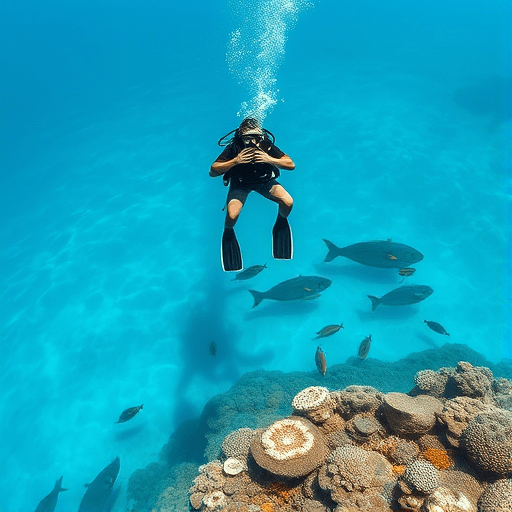
Coral reefs cover less than 1 percent of the ocean floor yet shelter roughly 25 percent of all marine species. In 2026, those figures feel more precarious than ever. The fourth global coral bleaching event, confirmed in 2024, continues to reshape reefs in the Pacific, Atlantic, and Indian Oceans, forcing scientists to rethink how tourism interacts with these ecosystems. Reef tourism isn’t going away — it is too mesmerizing and too economically vital for coastal communities. But the way you visit a reef can either deepen its stress or ease it. Learning how to visit a coral reef without harming it in 2026 starts with understanding the science behind your choices: the sunscreen you wear, the boat you board, and the way you move underwater.
Why the Rules Have Changed by 2026
For decades, the standard advice was “don’t touch the coral” and “wear reef-safe sunscreen.” That advice isn’t wrong; it’s incomplete. During the 2024–2025 global bleaching event, reefs in the Florida Keys, the Great Barrier Reef, and the Maldives all lost significant live coral cover. Researchers also learned more about how tourism adds pressure through micro-pollution, fish feeding, and accidental coral contact. The result is a more proactive, science-driven approach: five rules that turn a reef visit into a form of stewardship. Here’s how they break down in practice:
- Choose reef-safe sunscreen or skip it in favor of protective clothing.
- Practice strict buoyancy control before you dive near coral.
- Pick a certified dive boat, not just a cheap one.
- Give coral and marine life at least two meters of space.
- Turn your dive into a citizen-science data point.
Rule 1: Choose Reef-Safe Sunscreen — or Better, None at All
Sunscreen is the most widespread chemical footprint a reef visitor carries. Research has long linked oxybenzone and octinoxate to coral bleaching, DNA damage, and abnormal coral larvae. But the science has broadened. Marine toxicologists are now concerned about other chemical filters, including octocrylene and certain synthetic UV absorbers, which can degrade into compounds that stress corals. The safest choice is to minimize sunscreen entirely by wearing UV-rated rash guards, dive skins, and long-sleeve swimwear — a habit that’s also better for your skin. This “skin-first” approach has become popular among divers and snorkelers in 2026, with many tropical resorts now including UPF-rated clothing in their recommended packing lists.
Where sunscreen is necessary, choose a non-nano mineral formula with zinc oxide or titanium dioxide. The “non-nano” label ensures the particles are too large to be ingested by coral polyps. Apply it at least 20 minutes before entering the water so it binds to your skin and doesn’t wash off at the surface. And read labels carefully: many “reef-friendly” products still contain prohibited filters. Some destinations, including Hawaii and Palau, now restrict certain sunscreen ingredients, so bringing your own eco-certified supply keeps you compliant and reef-safe.
Rule 2: Practice Buoyancy Control Like the Reef Depends on It
Corals aren’t rocks. Each colony is made up of thousands of polyps protected by a thin mucus layer that guards against infection, UV light, and sediment. A single fin strike or a resting hand can scrape away that mucus, expose tissue, and allow disease to take hold. That makes buoyancy a conservation skill, not just a diving skill. A growing number of dive centers now include a buoyancy check and trim evaluation before any reef dive, regardless of your experience level.
For divers, the science-backed rule is to maintain neutral buoyancy throughout the dive and keep your fins elevated behind you in a horizontal trim. If you feel overweighted or unstable, end the dive rather than risk contact with the reef. On the surface, do a proper weight check with a full breath before descending. For snorkelers, the rule is simpler: never stand on, kneel on, or hold onto coral. Stay flat on the surface and use a flotation aid if you need a rest.
Rule 3: Pick a Certified Dive Boat, Not Just a Cheap One
Tour boats can damage reefs before anyone enters the water. Anchor chains and improperly placed anchors crush coral heads, and untreated releases add pollutants to pristine water. In 2026, certification programs help travelers identify operators who follow best practices. Look for the Green Fins logo, PADI Eco Center, or a recognized national sustainable tourism certification. Certified operators use mooring buoys instead of anchors, give a reef-etiquette briefing, keep group sizes sensible, and enforce no-touch, no-feed policies. They also tend to train their guides to spot and correct bad behavior before it becomes damage.
If you’re booking independently, ask direct questions: Does the boat use mooring buoys? How many people are typically on the reef at once? Do you report reef health data to local managers? The answers will tell you whether the operator treats the reef as a priority or a backdrop. Be skeptical of vague “eco-friendly” claims without a visible certification; greenwashing is still common in dive tourism.
Rule 4: Give Marine Life Space — Really Give It Space
The old advice was to keep one meter away from the reef. The 2026 science-backed recommendation is closer to two meters. Even a gentle touch can strip coral mucus and cause tissue damage; fin blasts and sediment stirred up from a close pass can also stress coral polyps. Staying further back protects both the coral and the animals that call it home. If you’re carrying an underwater camera, a light, or any other gear, keep it clipped or tucked close to your body — dangling equipment is a frequent cause of accidental contact that divers rarely even notice.
Distance also matters for fish. Getting too close to sea turtles, sharks, and rays can interrupt feeding and rest. Feeding fish is worse: it changes their foraging behavior, makes them bolder around humans, and concentrates them in small areas where disease can spread. Resist the urge to feed or chase marine life — the reef will be healthier, and your photos will be no less stunning. Likewise, leave shells and coral pieces in place — what looks empty may shelter a hermit crab or new coral growth.
Rule 5: Turn Your Dive Into a Citizen-Science Data Point
In 2026, the most forward-looking way to avoid harming a reef is to help scientists understand it. Citizen science platforms like the Great Reef Census, Coral Watch, and iNaturalist let travelers record observations and share them with researchers. Before you leave, download an app or check whether your dive operator participates in a reef monitoring program. Some boats even provide simple waterproof slates with visual guides, making it easy to record data without interfering with your dive.
On the boat, note what you see: coral bleaching (white patches), crown-of-thorns starfish, unusual fish abundance, water temperature, and visibility. After each dive, upload your observations or photos. Coral Watch, for instance, uses a simple color guide to estimate bleaching stress. Multiply these tourist-generated reports across thousands of dives, and you get a high-resolution monitoring network that can detect bleaching early and guide conservation action.
Conclusion
How to visit a coral reef without harming it in 2026 is not about memorizing a long list of bans. It’s about aligning your choices with the science of reef resilience. Wear protective clothing instead of chemical sunscreen, practice serious buoyancy control, choose certified operators, keep a respectful distance, and consider contributing a few minutes to citizen science. Together, these five rules allow you to experience the reef’s magic without leaving a scar — and to leave a reef that future visitors can still marvel at. The ocean gives us these extraordinary ecosystems; the least we can do is give them our informed respect in return.