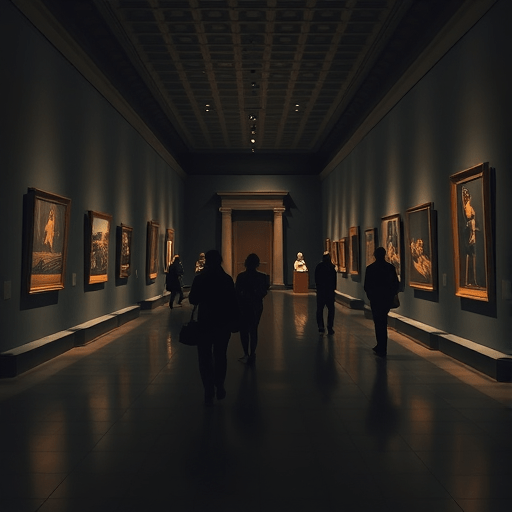
Timing a museum visit is less about the building and more about the clock. The right hour can mean standing alone in front of a Vermeer instead of jostling for a glimpse past a stranger’s smartphone. This city-by-city guide reveals how travelers in 2026 are using late-night slots, members-only preview windows, and overlooked midweek rhythms to experience the world’s busiest collections without the crush.
The Hidden Economics of Museum Crowds
Crowds do not arrive randomly. They cluster around cruise ship arrivals, long weekends, and the opening hour when tour buses disgorge their passengers. Most major museums publish their busiest and quietest days based on ticketing data, yet few visitors ever check.
Before booking flights or hotels, scan the museum’s official visitor dashboard. Institutions like the Louvre, the Prado, and the Met publish rolling 30-day heat maps. Cross-reference these with local school holidays, religious festivals, and major sporting events. A quiet Tuesday in a normal week can become a free-for-all during a local marathon or a papal visit.
Paris: Beyond the Wednesday Late Night
Paris runs on two tourist rhythms. The first wave hits between 10 a.m. and noon, the second between 2 p.m. and 4 p.m. The Louvre’s Wednesday and Friday late openings until 9:45 p.m. are well known, but the real secret sits in the schedule at Musée d’Orsay.
The Thursday Trick at Musée d’Orsay
Orsay stays open until 9:45 p.m. only on Thursdays. Most tour operators skip this because their clients want dinner cruises. Walk-ins after 7 p.m. often find the Impressionist galleries nearly empty. The same applies to the Petit Palais, which is free and rarely advertised for evening hours.
For the Louvre, skip the main entrance pyramid and use the Passage Richelieu or the Porte des Lions entry. Porte des Lions is often unstaffed during late openings, but the Richelieu passage, reserved for groups, actually moves faster because tour leaders pre-clear tickets.
London: Members-Only Previews and Late Blockbuster Hours
London’s museums are free at the point of entry, which makes crowd control tricky. The British Museum, the National Gallery, and the V&A now operate timed-entry systems for special exhibitions, and these are where the timing game really matters.
The 6 p.m. V&A Trick
The V&A stays open until 10 p.m. on Fridays. The fashion and jewelry galleries clear out dramatically after 8 p.m. because most guided tours end at 7:30. The same applies to Tate Modern’s members-only preview evenings before major exhibitions open to the public.
For the British Museum’s blockbuster shows, book the final timed slot on a Wednesday. School groups are gone, late-shift workers are heading home, and tour buses have departed. The Rosetta Stone and the Parthenon sculptures get breathing room.
New York: Beat the Met and MoMA
New York’s two flagship art museums operate extended hours on different days, and knowing which one to visit on which evening is the trick.
The Met on Friday and Saturday
The Metropolitan Museum of Art stays open until 9 p.m. on Fridays and Saturdays. The Temple of Dendur, the European Paintings galleries, and the American Wing are nearly navigable after 7 p.m. The Met Cloisters, often skipped by tourists, also opens late on Friday until 7:30 p.m. and has free shuttle service from the main building.
MoMA reverses the pattern. The museum is closed on Tuesdays but offers free entry on Friday evenings from 5:30 to 9 p.m. through the UNIQLO Free Friday Nights program. Arrive at 6 p.m. for the best balance of manageable crowds and fresh energy.
Amsterdam: The Rijksmuseum’s Secret Late Window
The Rijksmuseum announced in late 2025 that it would trial extended Friday hours until midnight for ticketed exhibition visitors. The Rembrandt and Vermeer rooms empty out by 10 p.m., creating a surreal atmosphere for late-night art viewing. The Van Gogh Museum runs a different strategy, with early-bird 9 a.m. openings on Saturdays for online ticket holders.
For smaller Dutch museums, the real secret is the Holland Pass timing. Holders can enter the Anne Frank House during off-peak slots that are otherwise sold out weeks in advance.
Florence: The Uffizi After Five
The Uffizi Gallery has run late-opening programs for years, but most tourists still arrive at 10 a.m. when the line stretches around the corner. The Tuesday late opening until 7 p.m. draws a smaller crowd because most cruise ships leave Florence by Monday evening.
Booking the Quiet Slot
Reserve the 6 p.m. entry at least two weeks ahead. By the time you reach the Botticelli room, the morning crowds have departed for pasta lunches and the tour groups have moved on to the Accademia. The Palazzo Pitti and Boboli Gardens close earlier, but their midweek mornings are the quietest in Italy.
Tokyo, Vienna, and Madrid: Three Underrated Timing Strategies
Tokyo’s teamLab Borderless reopened in late 2024 in a new location and runs late sessions until 10 p.m. on weekdays. Booking the 8 p.m. slot lets visitors walk through immersive digital rooms with fewer than 40 other people.
Vienna’s Kunsthistorisches Museum operates a Sunday late opening until 7 p.m. Most tourists spend Sunday morning at Schönbrunn, leaving the museum’s Bruegel collection quiet by mid-afternoon. The Leopold Museum does the opposite, staying open late on Thursdays.
Madrid’s Museo del Prado extends Thursday and Saturday hours until 8 p.m. Saturday evenings are busier due to locals, so Thursday is the secret. The Reina Sofía, home to Picasso’s Guernica, runs free admission on Sundays and late afternoons on Wednesdays.
General Principles for Any City
- Check the museum’s own crowd calendar before booking flights, not the other way around.
- Cross-reference local events: marathons, religious holidays, and conventions spike visitor numbers.
- Look for members-only previews on platforms like TodayTix, Tiqets, or the museum’s own app.
- Consider adjacent or branch museums that hold similar collections with a fraction of the foot traffic.
- Time tickets to the last two hours of any extended opening day for the quietest experience.
Conclusion
Unlocking a quieter museum experience is about reading the rhythm of a city rather than memorizing its landmarks. The same Vermeer that demands a 90-minute wait at noon can be viewed in silence on a Thursday evening at the Rijksmuseum, and the Temple of Dendur that feels like a subway station at 2 p.m. becomes contemplative at 8 p.m. on a Friday at the Met. By syncing visit times with local schedules, members-only windows, and extended evening hours, travelers in 2026 are discovering that the best gallery views happen when the tour buses have already left.