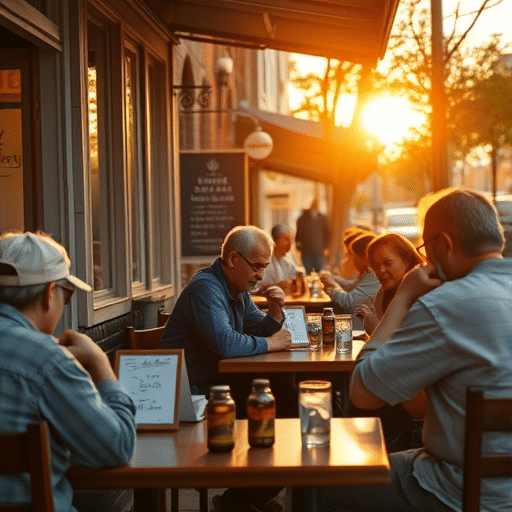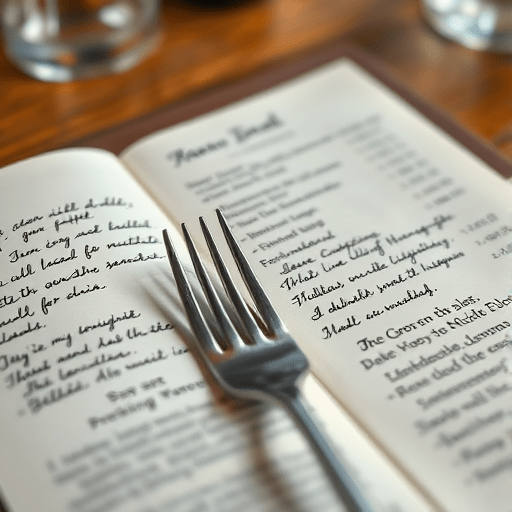
Picture this: you sit down at a tiny family-run restaurant in a foreign city, the waiter hands you a menu written in a script you cannot read, and suddenly every dish feels like a mystery. Learning how to decode local menus abroad is one of the most underrated travel skills, and it transforms an awkward dinner into a cultural exchange. With a few practical techniques, you can confidently navigate foreign food lists, recognize regional specialties, and avoid the universal embarrassment of pointing at the wrong dish.
Why Menu Literacy Matters More Than You Think
Tourist menus and authentic menus are often two completely different experiences. In many destinations, the English-language menu quietly raises prices, swaps beloved local dishes for bland crowd-pleasers, and omits the very foods that define the cuisine. Reading the original menu, even imperfectly, signals respect for the culture and opens the door to dishes that locals actually eat. It is also the fastest way to discover food trends unique to the current year, from seasonal foragers’ plates in Scandinavia to the rise of regional heirloom grains in the Mediterranean.
Beyond flavor, decoding a menu saves time, reduces ordering anxiety, and prevents dietary mishaps. Whether you are navigating a tiny chalkboard in Lisbon or a laminated booklet in Hanoi, the same core strategies apply.
The Universal Architecture of a Local Menu
Most menus around the world follow a surprisingly consistent logic. Understanding this skeleton helps you decode unfamiliar lists without translating every word.
Front-of-House Sections
- Antipasti, entrées, starters, or meze: The opening act, typically small plates designed for sharing. In places like Greece and Lebanon, skipping these means missing the soul of the meal.
- Zuppe, soups, or broths: Often seasonal. Look for daily specials written on chalkboards or spoken by the server.
- Insalate, salads, or slaws: Frequently served as a side or palate cleanser rather than a main course in cultures that prioritize warm cooked food.
The Heart of the Menu
- Secondi, mains, or platos principales: Heavier protein-driven dishes. In Italian restaurants, secondi usually arrive without sides, which are ordered separately as contorni.
- Carne, pesce, or mariscos: Separate sections for meat and fish. In coastal regions, the pesce list often changes daily based on the morning catch.
- Pasta, risotto, or noodle dishes: Many trattorias and Asian eateries list these under their own heading rather than as main courses. In Japan, soba and udon are categorized by broth type.
Don’t Skip the Edges
- Desserts, dolci, or pastries: Frequently understated. A simple-sounding regional cake can be the highlight of the trip.
- Bevande, drinks, or beverages: House-made sodas, local spirits, and seasonal waters often hide here.
- Il conto or la nota: Italian phrases for the bill. Knowing the term saves a confusing hand gesture at the end of the meal.
Spotting the Dishes Locals Actually Eat
One of the quickest ways to identify regional favorites is to scan for words that signal tradition, geography, or seasonality. These markers appear across cuisines, from the farm-to-table bistros of the Loire Valley to the street food stalls of Penang.
Decoding Regional Cues
- Place names: Dishes prefixed with a town, river, or mountain almost always represent a local specialty. A “Tarte Tatin” originates from the Sologne region, while “Pad Thai” literally means “Thai-style stir-fry.”
- Family or grandma references: “Nonna’s recipe,” “grandmother’s style,” or similar phrasing indicates heritage dishes rarely aimed at tourists.
- Seasonal adjectives: Words like “autumn,” “harvest,” “winter,” or local equivalents signal ingredients picked in their natural window, often a defining trait of regional cooking.
Watch for the Daily Specials Board
Chalkboards, whiteboards, and laminated inserts are where the freshest, most authentic items live. In Spain, “plato del día” signals the chef’s daily choice. In Vietnam, “com hôm nay” points to the day’s rice plate. Tourists often ignore these, but locals build their entire meal around them.
How to Decode Without Speaking the Language
You don’t need fluency to read a menu, but you do need a strategy. The following techniques work in nearly every country.
Translate Visual Clues, Not Just Words
Most menus pair dishes with photos, icons, or ingredient symbols. Pay attention to small visual hints: a chili pepper next to a Thai dish warns of heat, a leaf icon in Argentina often signals vegetarian, and a seafood drawing in Portugal indicates shellfish-based recipes. When in doubt, take a discreet photo of the menu and translate it offline later.
Learn the Seven Magic Words
Before any trip, memorize a handful of high-impact terms. The most useful include the words for “today’s special,” “chef’s recommendation,” “house specialty,” “spicy,” “vegetarian,” “contains nuts,” and “without [ingredient].” These seven phrases cover roughly 80 percent of common menu questions and immediately make you a more confident diner.
Use Translation Apps the Smart Way
Modern phone cameras translate menus in real time, but the results can be wildly inaccurate, especially with handwritten scripts. Use apps that allow you to select specific dishes rather than full-page translations. Cross-check questionable results against Google Images or food blogs that describe the same dish in English. For languages with non-Latin scripts, learn to recognize the numbers first, since prices often use Arabic numerals even in countries with different writing systems.
The Etiquette of Pointing (and When Not To)
Pointing at the wrong dish is a universal travel fear. Avoid it by following a few cultural norms.
- Never point with one finger in many parts of Asia and the Middle East. The entire hand, palm up, or a slight gesture with two fingers is more polite.
- In Japan and Korea, pointing at people is considered rude. Pointing at dishes on the menu is acceptable, but tapping the open menu on the table communicates the same intent.
- Ask before photographing. In upscale restaurants across Europe, photography of the menu itself is occasionally restricted.
- Let the server guide you. Saying “what do you recommend?” with a friendly tone almost always leads to the kitchen’s best offering.
Adapting to Regional Food Trends in 2026
Travelers this year are encountering menus that reflect a shift toward transparency and locality. In many countries, restaurants now list the farm, fishery, or vineyard alongside the dish. Italy’s agriturismo menus highlight the day’s harvest, while new Nordic spots in Copenhagen list foragers by name. Reading these details helps you decode not only the food but also the values of the region you are visiting.
Another emerging pattern is the rise of short, ingredient-driven menus. Restaurants in Spain, Peru, and Japan increasingly print menus of fewer than fifteen items to emphasize freshness. When you see this, expect ingredients that change weekly and trust the chef’s pacing.
Putting It All Together at the Table
Begin your meal by glancing at the structure, identifying the sections that matter most to you, and scanning for regional cues. If the menu feels overwhelming, ask the server what two or three dishes the restaurant is known for. Order one familiar item and one unknown regional specialty. This balance keeps you comfortable while expanding your palate. As you eat, observe how locals order, what drinks they pair with their food, and whether courses arrive all at once or in sequence. These small observations are the final layer of decoding.
Reading a foreign menu is not about perfection. It is about curiosity, respect, and a willingness to try something unfamiliar. Every dish you order from the local list rather than the tourist translation is a small bridge between cultures, one that often starts with a single sentence at a chalkboard, a pointed finger, and a smile across the table.