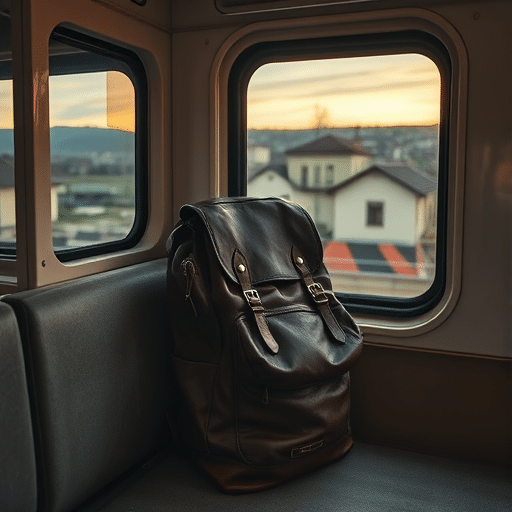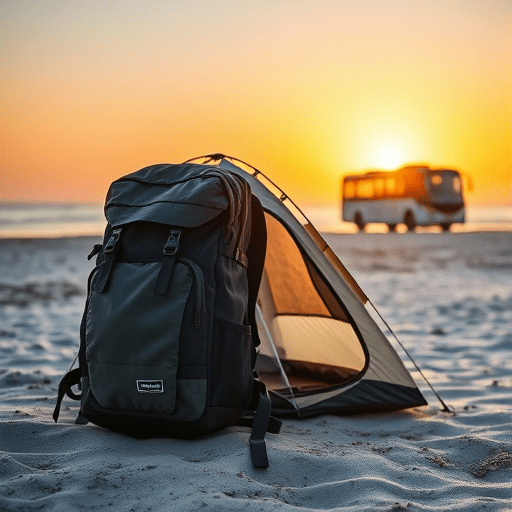
Sleeping in a tent usually implies a car: you pack the trunk, drive to a campsite, and set up. But one of the cheapest ways to see Europe is to flip that assumption. Europe with a tent and no car isn’t a compromise—it’s a style of travel that turns bus stations and train platforms into launch pads, and a €25 tent into a hotel that follows you across borders. With low-cost coaches, night trains, and a growing patchwork of wild-camping-friendly spaces, a three-week route through several countries can cost less than a single week of hostels.
This is not a generic “how to camp in Europe” guide. It’s a concrete, repeatable route from the Baltic forests to the Adriatic coast, designed around the networks that make car-free camping surprisingly practical. Forget car rentals and expensive campsite pitches. Here’s how to link buses, trains, and wild bivouacs into an ultra-cheap three-week adventure.
Choose a Corridor That Rewards the Car-Free Camper
Not every corner of Europe works well for tent-and-transport travel. Expensive rail passes, sparse rural buses, and strict camping laws can drain both money and morale. The secret is to pick a corridor where buses are frequent, trains are affordable, and the legal boundaries around wild camping are reasonably clear.
The route below works because it starts in the Baltic states—where long-distance buses are famously cheap—then cuts south through Poland and Hungary, where overnight trains offer a bed and free travel, before finishing in Slovenia, where riverside wild camping is part of the outdoor culture. Every leg is around four to eight hours, which keeps travel days manageable and leaves time for actual exploring.
The Packing Paradox: Tent Gear That Fits on a Bus
The biggest fear for car-free campers is luggage. A bulky tent, sleeping bag, and stove can turn a simple bus ride into a logistical nightmare, especially in summer. The solution is not to buy the lightest gear possible—it’s to buy gear that fits a single backpack under the seat or in the overhead rack.
- Choose a two-person trekking tent: It’s surprisingly light, packs small, and gives you room to store your backpack inside at night, keeping your valuables with you.
- Use a compression sack: Even a mid-range sleeping bag will shrink to the size of a loaf of bread. Same for a puffer jacket.
- Skip the camping stove: It’s heavy, and many bus and train stations offer cheap hot water if you ask at a café. A thermos and instant noodles go a long way.
- Wear your heaviest clothes on travel days: Boots and a thick jacket should be on your body, not in your bag, when you board.
The goal is to never check a bag, never queue at a luggage counter, and always be ready to walk straight from the bus stop to a quiet patch of grass.
The Three-Week Route: Buses, Trains, and Wild Camps
Days 1–8: The Baltic Coast by Bus
Start in Vilnius, Lithuania. Lithuania’s bus network is a hidden gem for budget travelers: modern coaches, prices that rarely exceed €10, and routes that connect forested national parks directly to city centers. From Vilnius, take an early bus to the Curonian Spit—a narrow strip of dunes and pine forest where wild camping is tolerated away from the main boardwalks. You’ll pay a small national park fee, but no campsite charges.
After three nights of falling asleep to the sound of the Baltic, hop another bus to Klaipėda, then onward to Riga. Latvia’s capital is a good place to resupply and recharge your power banks before a short journey to Sigulda, a town surrounded by deep river valleys and wild camping-friendly forests. The Gauja National Park around Sigulda allows overnight bivouacking in most designated areas, and the train connections back to Riga run every hour.
Days 9–16: Night Trains and the Hungarian Plains
From Riga, take an overnight bus or train to Warsaw. Night transport is your best friend on this trip: it saves the cost of a bed and eats up long distances while you sleep. The Polish capital has solid train links to Budapest, and booking a couchette in advance on the Vienna–Budapest route is shockingly affordable if you reserve a few weeks out.
Spend a few days around Lake Balaton in Hungary. The lake’s northern shore has public forests where camping outside designated sites is technically prohibited, but small unofficial bivouacs just above the treeline are common practice among locals. Be respectful: arrive late, leave early, no fires. A better bet, though, is to take a regional train to the Őrség National Park near the Slovenian border. This is one of Europe’s hidden hiking regions, and wild camping is far more tolerated here than in the tourist-heavy lake area.
Days 17–21: The Soča Valley and the Final Bus
Cross from Hungary into Slovenia by regional bus or train through the small border town of Hodoš. Slovenia is compact, and its bus network connects even remote mountain villages. The Soča Valley, with its impossible blue-green river and rugged Julian Alps, is the perfect final camping ground.
Wild camping in Slovenia’s Triglav National Park is restricted, but the areas outside the park—especially around Kobarid and Tolmin—have plenty of spots where you can pitch a small tent after sunset without bothering anyone. Local hikers occasionally camp this way in the off-season, and as long as you camp above 1,000 meters in the forest belt, it’s generally overlooked. Finish the route in Ljubljana, where a cheap bus can get you to Trieste’s airport or back north by train.
Wild Camping in 2026: Know the Grey Zones
The legal reality of wild camping in Europe is patchy. In Lithuania, Latvia, and Estonia, the “right to roam” tradition means you can camp on most public land, provided you’re at least 100 meters from roads and buildings. In Hungary, it’s technically illegal outside official campsites, but enforcement is rare if you’re discreet and leave no trace. Slovenia is stricter inside national parks, but relaxed outside them.
Here’s the golden rule: never camp one night in the same spot. Arrive in the evening, set up as late as twilight, and pack up by 7 a.m. Leave no litter, no fire scars, and no sign you were ever there. This keeps the privilege alive for everyone.
How to Keep Daily Costs Under €35
The math is simple: your savings come from not spending on accommodation. But food and transport can still eat a budget if you’re careless. Here are proven strategies to keep the whole trip near the ultra-cheap threshold:
- Book buses in advance: FlixBus and similar operators run dynamic pricing. A ticket bought two weeks ahead can cost €5–€8, while the same ticket bought on the day is often €20–€30.
- Use night transport wisely: One night train per week cuts out two hostel nights and a full travel day.
- Cook only simple meals: Instant porridge, bread, tinned fish, and fresh tomatoes form a cheap, no-stove diet. Local markets in the Baltic states and Hungary sell produce for pennies.
- Refill water from public fountains: Most European towns have potable tap water—carry a filter bottle to avoid buying plastic.
- Use the free mornings of museums: Cities like Riga, Budapest, and Ljubljana have free entry slots on the first Sunday of each month, perfect for urban rest days.
The Honest Truth: When to Splurge on a Night Inside
Living in a tent for three weeks is liberating, but it also wears you down. Rain, cold, and the occasional no-camping-zone can grind you down. The smart budget backpacker builds in one scheduled rest night per week—a cheap hostel dorm or a budget hotel in a city. Not only does this give you a proper shower and laundry, it also lets your tent dry out completely. Spending €15–€20 once a week won’t break the budget, but it will prevent burnout and keep your gear in better condition.
It also helps to have a backup plan for nights when the weather turns savage. A small list of cheap urban campsites on your phone—most Baltic and Hungarian cities have them—is worth having, even if you never need it.
Why This Route Works Better Than a Car
Driving across Europe might sound easier, but a car locks you into campsite fees (usually €10–€20 per night), fuel costs, and the constant worry of finding safe, legal parking. With a backpack and a bus pass, you can be dropped directly at a national park entrance, hike two kilometers into the woods, and wake up surrounded by silence. You’re also forced to travel lighter and slower, which is exactly what a budget adventure should be.
The bus-and-train network of Europe is a skeleton of incredibly low-cost connections, and in 2026, routes across the Baltics, Central Europe, and the Balkans have never been more backpacker-friendly. You just need the right route, the right gear, and the willingness to treat public transport as part of the experience.