In 2026, a 13,000-member gaming server called Dawnhold was losing moderators faster than it could recruit them. Admins had tried gift codes, new roles, and even small cash stipends, but the team kept shrinking. Then they made one structural change: they built wellness schedules into the core moderation workflow. The result was a 70% drop in mod turnover over the next year. This case study walks through what Dawnhold did, why it worked, and how other servers can borrow the same approach.
The Burnout Problem Hiding in Plain Sight
Dawnhold is a survival multiplayer server with a busy Discord community, active voice channels, and frequent in-game events. At the beginning of the past year, the moderation team had fourteen active members. By the end of that same year, ten had resigned. Most left not because they hated the community, but because the work had become emotionally unsustainable.
The old model was simple: moderators were expected to be available whenever possible. The shared calendar had only one standing day off per month, and that day was often ignored during major releases or community tournaments. Moderators who stepped away for exams, family obligations, or mental health breaks usually returned to an inbox full of unresolved reports. The message was clear—moderation was not a shift, it was an identity. That identity came with a heavy toll.
Designing Wellness Schedules That Fit Moderator Reality
Dawnhold’s senior admins did not start with a wellness program or a mental health channel. They started by redesigning the schedule itself. The goal was to make healthy boundaries automatic, not optional. Three changes made the biggest difference.
Time-Boxed Patrol Shifts
Instead of expecting moderators to monitor chats “whenever they could,” Dawnhold introduced fixed patrol windows. Each window lasted between two and three hours. No moderator was assigned more than two windows per week, and windows rotated across time zones so no one got stuck in the late-night slot forever.
Within those windows, a moderator’s job was straightforward: review reports, watch active channels, and respond to rule violations. When the window ended, the moderator’s obligation ended too. If a conversation needed a follow-up, it was logged for the next shift rather than dumped in the same person’s lap. This alone reduced the sense of being permanently on call.
Co-Mod Buddy Rotations
The next piece was pairing moderators for each patrol window. Dawnhold called these pairs “mod buddies.” The buddy system gave every moderator someone to think out loud with, especially during difficult incidents. If one mod had to mute a friend or issue a strike to a long-time community member, the buddy could handle the follow-up conversation. After the shift, each pair spent five minutes doing a quick handoff to the next duo.
This did more than distribute work. It distributed emotional load. Moderators no longer felt like they were making judgment calls alone, and the debrief ritual created a tiny release valve before burnout could accumulate.
Mandatory Off-Boards
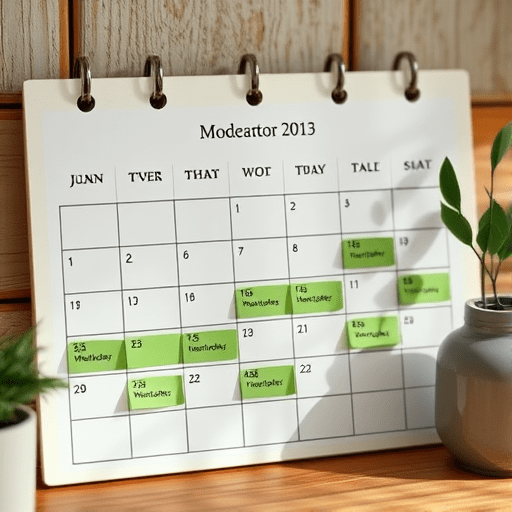
Perhaps the most important change was the introduction of mandatory off-board days. Every moderator had two consecutive days each week where they were completely removed from moderation duties. No chat pings, no reports, no “quick questions” in private messages. The off-board status was clearly visible in the server’s admin tool, and any attempt to assign a task was redirected to a designated on-call moderator.
At first, some moderators resisted. They worried the server would fall apart. In practice, the emergency on-call role handled fewer than three true escalations per month. The mandatory break did not create a coverage crisis; it created a more honest workload. Dawnhold’s admin team also learned to schedule around real life instead of pretending moderators had infinite availability.
What the 70% Turnover Reduction Looked Like
Dawnhold launched the wellness schedule in the first quarter of the year and tracked results for twelve months. At the end of that period, retention numbers were striking.
In the twelve months before the schedule change, Dawnhold saw ten resignations from a team of fourteen. The following twelve months, with a similarly sized team, saw only three resignations. That is a 70% reduction in moderator turnover. The three who left did so for life reasons—moves, job changes, and a decision to leave gaming entirely—not because of burnout.
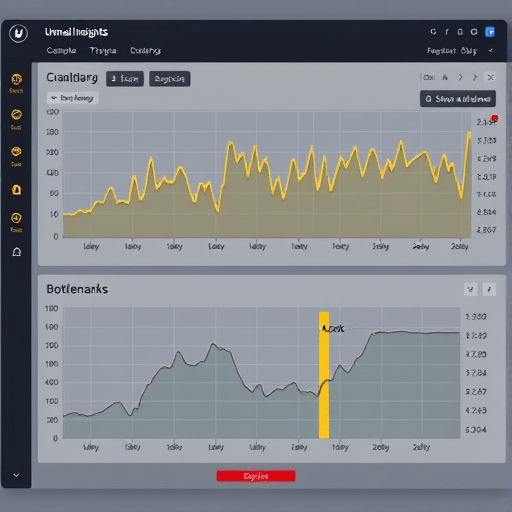
Those numbers were supported by softer signals too. Average shift coverage improved because fewer shifts were left empty due to last-minute “I can’t do this anymore” messages. The number of moderation reports that sat untouched for more than six hours also fell, because shift boundaries made it easier to track unfinished work. In other words, healthier schedules did not hurt server safety. They made it more predictable.
Why Wellness Schedules Beat Perks and Pay
Many servers attempt to reduce mod turnover with compensation. They offer store credit, paid Discord boosts, or rare item drops. Those perks can help, but they do not fix the underlying problem: too much emotional work with no structured end.
Dawnhold’s success suggests that control over time matters more than reward density. The moderators did not need more benefits; they needed permission to stop. Wellness schedules supplied that permission in a formal way. Once a moderator knew that their shift would end and that they would not be expected to return until the next window, the work became manageable again.
The schedule also challenged the “hero moderator” culture that many gaming servers accidentally cultivate. Instead of praising people for being online all the time, Dawnhold praised people for showing up during their window and leaving when they were done. That cultural shift made rest feel acceptable rather than weak.
Lessons for Other Gaming Servers
Dawnhold’s case is highly replicable. The exact times and roles will differ, but the core principles can be applied to almost any gaming community with volunteer staff.
- Audit the real workload first. Before making a schedule, track every report, mute, ban appeal, and late-night message for two weeks. The data will show where the pressure points are and which hours are truly necessary.
- Start with a small pilot. Dawnhold did not change all shifts at once. It tested the new wellness schedule with a six-person team for one month, refined the handoff system, and then rolled it out to everyone.
- Make time off automatic, not something to request. If moderators have to ask for permission to rest, many will not do it. Off-board days should be visible on the calendar and enforced by the team’s workflow.
- Pair people with capacity, not just availability. The buddy system worked because it matched moderators who had different strengths. One could handle the fast-paced chat, the other could write clear incident logs. That intentionally reduced stress for both.
Conclusion
Dawnhold did not discover a magic formula. It made one structural decision: treat moderator time as a finite resource and schedule rest as part of the job. The 70% turnover reduction did not come from better swag or more motivational speeches. It came from a calendar that respected the humans behind the screens. For any gaming server tired of training new moderators every month, the answer may be less about recruiting better people and more about designing a schedule that helps the current ones stay.