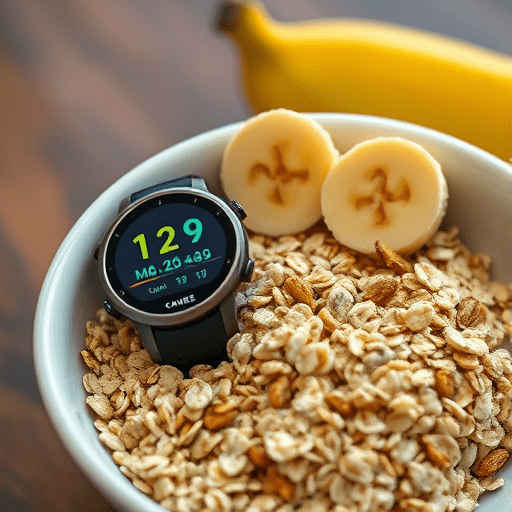
If your best lifts happen at 5:30 a.m. but your training partner crushes PRs at 8 p.m., your chronotype-based carb timing strategy may be partly to blame. Chronotype, the biological preference for earlier or later activity and sleep windows, influences how efficiently your body metabolizes carbohydrates, tolerates training stress, and recovers between sessions. Aligning pre-workout nutrition with your chronotype may unlock better training adaptations and faster recovery, especially for athletes juggling demanding schedules in 2026’s hybrid work era.
What Chronotype Really Means for Fueling
Chronotype is more than a personality quirk. It reflects the timing of your core body temperature, hormone cycles, and insulin sensitivity across a 24-hour period. Morning types, often called “larks,” typically experience peak insulin sensitivity earlier in the day. Evening types, or “owls,” may show stronger glucose tolerance later, even if early-day insulin sensitivity looks sluggish.
For pre-workout carb timing, this matters. The same bowl of oats consumed at 6 a.m. by a lark and at 6 p.m. by an owl may be metabolized very differently. Recent work in sports nutrition timing suggests that muscle glycogen replenishment, glucose uptake, and even perceived energy can shift depending on when carbs are eaten relative to both training and circadian phase.
The Circadian Rhythm of Insulin Sensitivity
Skeletal muscle insulin sensitivity follows a daily rhythm. Most people experience higher glucose disposal rates in the morning and a relative dip in the late evening. Owls, however, often show a flattened or shifted curve, meaning their “insulin-sensitive window” may land closer to their usual training time. Larks experience the opposite, which is why traditional high-carb breakfasts often work well for early risers but leave night owls feeling heavy and under-fueled.
Why Night Owls Need a Different Pre-Workout Carb Strategy
If you identify more with the owl camp, your ideal pre-workout carb timing should account for two realities: you are probably training when insulin sensitivity is naturally lower, and you may be starting sessions in a partially fasted state due to skipped meals. Both factors can blunt performance if not addressed.
Slow-Burn Carbs for Late-Day Training
Owls benefit from slow-digesting carbohydrate sources 60 to 90 minutes before training. Options like steel-cut oats, sweet potatoes, or whole-grain rice paired with a small portion of protein tend to produce a steadier glucose curve than sugary snacks. Because insulin sensitivity may be lower in the evening, these complex carbs avoid the spike-and-crash cycle that can sap energy mid-session.
A Micro-Dose Mid-Workout
For sessions longer than 75 minutes, owls may benefit from a small intra-workout carb serving, such as a diluted sports drink or a few dates. This supports glycogen availability during a window when the body is less efficient at mobilizing stored fuel. Larks rarely need this added layer for the same session length because their pre-workout meal is more readily accessible to working muscles.
Recovery Carb Window
Post-workout, owls should still aim for a carb-rich meal within 60 to 90 minutes, but the absolute amount may need to be slightly higher to compensate for evening insulin resistance. Pairing carbs with 30 to 40 grams of protein supports muscle repair without overwhelming glucose control.
How Early Birds Should Time Their Fuel
Larks tend to feel their sharpest in the morning, but many make the mistake of training fasted or under-fueled because of rushed schedules. For this chronotype, the challenge is not metabolic access but practical logistics.
Liquid Carbs for Fast Digestion
Because morning insulin sensitivity is typically high, larks can lean on rapidly absorbed carbs like fruit, smoothies, or even a small amount of honey within 30 minutes of training. These fuels hit the bloodstream quickly, top off liver glycogen, and spare protein from being used for energy.
Front-Load the Day’s Carbs
Larks often perform better when a larger share of daily carbohydrates is eaten around training and the morning block. A pre-workout meal of 50 to 70 grams of carbs followed by a balanced breakfast post-session supports both performance and recovery. Because evening insulin sensitivity drops, loading carbs late at night can feel sluggish for early risers and disrupt sleep architecture.
Matching Fueling Windows to Training Adaptations
Training adaptations are not only driven by what you eat but also by when you eat it. Chronotype-based carb timing influences three key outcomes: glycogen replenishment, muscle protein synthesis, and hormonal response to exercise.
Glycogen Replenishment
Research suggests glycogen storage is more efficient when carbs are consumed during the individual’s biological day, the window when core temperature and cortisol output are higher. For owls training in the evening, this means recovery carbs should still be timed to follow training rather than delayed overnight. For larks training early, recovery carbs should land before midday if possible, as later intake may not be fully utilized.
Muscle Protein Synthesis
Protein timing still matters, but its interaction with carbs shifts by chronotype. Owls often need slightly more carbs alongside protein at night to drive insulin-mediated amino acid uptake. Larks can typically rely on protein-led recovery meals in the morning and keep carbs moderate.
Hormonal Response
Cortisol peaks earlier in the day for larks and later for owls. Eating carbs close to training can blunt excessive cortisol spikes, but only if the timing respects the body’s natural rhythm. Misaligned fueling, such as an owl eating a massive carb breakfast or a lark downing a bowl of pasta at 9 p.m., can elevate stress hormones and impair recovery.
Practical Chronotype-Based Carb Timing Templates
While individual needs vary, these templates offer a starting point for both chronotypes.
Template for Night Owls
- 3 to 4 hours pre-workout: Balanced meal with 50 to 70 grams of complex carbs, moderate protein, and low fat to support digestion.
- 30 to 60 minutes pre-workout: Small carb-focused snack such as a banana with a spoon of nut butter or a rice cake with honey.
- Mid-workout (optional for long sessions): 20 to 30 grams of fast carbs from a sports drink or dried fruit.
- Within 60 minutes post-workout: 1.0 to 1.2 grams of carbs per kilogram of body weight paired with 30 to 40 grams of protein.
- Evening snack: Light protein-forward option to avoid disrupting sleep quality.
Template for Early Birds
- Immediately upon waking: 20 to 30 grams of fast carbs such as a piece of fruit or a small glass of juice to top off liver glycogen.
- 30 to 45 minutes pre-workout: 40 to 60 grams of mixed carbs like oatmeal with berries or a smoothie with oats.
- Post-workout meal: 60 to 80 grams of carbs with protein, ideally eaten before midday for optimal glycogen replenishment.
- Evening meals: Moderate carbs and higher protein to align with lower evening insulin sensitivity.
Common Mistakes When Ignoring Chronotype
Even experienced lifters and endurance athletes undermine their efforts by applying generic carb timing advice without considering their chronotype. The most frequent errors include:
- Owls training late but eating recovery meals too early, missing the post-training window.
- Larks skipping breakfast before early sessions, leading to under-fueling and reduced training quality.
- Both chronotypes copying the same pre-workout supplements or macros from generic plans rather than adapting them.
- Using high-glycemic carbs at the wrong time of day, causing energy crashes that could be avoided by better timing.
How to Discover and Adjust Your Own Chronotype
If you are unsure whether you are a lark, owl, or somewhere in between, tracking sleep, energy, and hunger patterns for two to three weeks offers clues. Note when you feel strongest in the gym, when you crave carbs, and when training feels hardest. Compare those patterns with your usual sleep schedule. Once you identify your chronotype, experiment with shifting pre-workout and recovery meals by 30- to 60-minute increments until fueling feels effortless and performance improves.
Conclusion
Chronotype-based carb timing reframes pre-workout nutrition as a personal calibration rather than a one-size-fits-all prescription. By recognizing how circadian rhythm shapes insulin sensitivity, glycogen use, and hormonal response, both night owls and early birds can fine-tune their fueling windows to support stronger training adaptations and more efficient recovery. The result is not just better workouts but a nutrition strategy that feels sustainable, intuitive, and aligned with the way the body actually works.