Museum fatigue is real. The aching feet, the glassy eyes, the desperate search for a bench after 45 minutes of staring at centuries of art. It happens to nearly everyone, even the most enthusiastic culture lovers. The good news? There’s a simple, surprisingly effective way to beat museum fatigue: plan a 2-hour highlight tour using the “top 5 artworks” method. Instead of trying to see everything, you choose just five pieces that genuinely matter to you, then build a relaxed, mindful route around them. In 2026, as museums reimagine their spaces and visitors crave quality over quantity, this approach is more relevant than ever.
Why Museum Fatigue Hits So Fast (and How to Fight Back)
Museum fatigue isn’t just about tired legs. It’s a cocktail of physical exhaustion, sensory overload, and decision fatigue. When you enter a sprawling gallery with 50 rooms and 10,000 objects, your brain starts making countless micro-decisions: Which way to go? What deserves more time? What am I missing? After about 30 to 45 minutes, your attention span evaporates, and you begin skimming the walls like a social media feed — seeing everything and absorbing little.
The top 5 artworks method flips this pattern. By reducing your choices before you even step through the entrance, you free your mind to focus on deep observation. You also give yourself permission to ignore the “must-see” list that the museum sells at the ticket counter. Instead, you follow a curated trail that you design for yourself. That small shift turns a stressful obligation into an enjoyable, intentional experience.
The Top 5 Artworks Method: A Curatorial Approach for Your Own Visit
Think of yourself as a guest curator. Your job isn’t to document the entire collection; it’s to select five artworks that tell a story you care about. The method works in any museum — art, history, natural science, or even a quirky niche institution. All it takes is a little preparation and a willingness to go at your own pace.
Step 1: Pre-Visit Research with a Twist
Spend 20 minutes on the museum’s website before you go. Don’t read the floor map from top to bottom. Instead, search for the collection highlights, upcoming special exhibitions, and recent acquisitions. Make a list of ten to fifteen pieces that spark curiosity. Then, apply a simple filter: Which ones would you recommend to a friend? Which ones do you want to remember in a year? Your top 5 should be a mix of famous icons, personal favorites, and one wildcard.
Step 2: Choose Artworks That Speak to You, Not Just the Icons
It’s tempting to only chase the Mona Lisa or the ancient mummy, but icons often attract crowds and exhaust you with wait times. The top 5 method invites you to include a lesser-known piece that resonates with you. Maybe it’s a quiet landscape in a corner, or a modern sculpture that makes you smile. The goal is to leave the museum feeling that you had a conversation with the art, not that you survived a marathon.
Step 3: Map Your Journey Like a Pro
Once you have your five picks, check the museum map for their locations. Aim for a route that moves logically through the building, with minimal backtracking. If two of your picks are far apart, use the museum’s own highlight trail as a skeleton and deviate when needed. And always note where the restrooms, staircases, and elevators are. A good route prevents cross-building chaos and leaves you with more energy for looking.
Inside the 2-Hour Highlight Tour: A Sample Time Budget
Two hours is the sweet spot for a satisfying museum visit. It’s long enough to engage with five works deeply, but short enough to stop before fatigue kicks in. Here’s a simple time budget that works for almost any museum.
The First 15 Minutes: Orientation and Expectations
Walk in, check your coat, and head to the information desk or digital kiosk. Pick up a paper map (yes, still useful). Locate your first artwork, and take five minutes to sit somewhere and gauge the museum’s atmosphere. Resist the urge to run. You have a plan, and the clock is your friend.
The Next 90 Minutes: Five Engagements of 15–20 Minutes Each
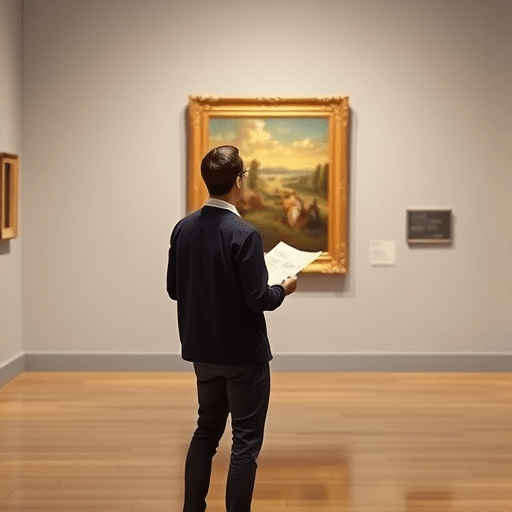
For each of your top 5, give yourself a focused window. Stand at a comfortable distance, then move closer. Read the label only after you’ve looked with your own eyes. Spend a minute noticing the details — brush strokes, cracks, textures, expressions. If your mind wanders, bring it back. After five minutes, step back and take a photo (if allowed) or jot down one word that captures the feeling. You don’t need to write an essay; just acknowledge what you saw.
Between artworks, give yourself a few minutes to walk. Use this transition time to glance at other pieces without committing to them. Let the building itself become part of the experience — the architecture, the lighting, the other visitors. This prevents the “museum blindness” that comes from staring at walls nonstop.
The Final 15 Minutes: Exit Through the Gift Shop (or Not)
Reserve the last quarter-hour for a wrap-up. Visit the museum shop if you like, but don’t let it monopolize your energy. Instead, sit in the lobby or courtyard and revisit your five picks in your mind. Which one will you remember? Which one surprised you? This quiet reflection is the secret weapon of the 2-hour highlight tour — it turns passive viewing into a lasting memory.
Slow Seeing: How to Really Experience Five Artworks in Two Hours
The top 5 artworks method aligns beautifully with the “slow seeing” movement that has become popular in recent years. In a world of notifications and endless scrolling, two hours with only five pieces feels radical. You have time to notice small changes in color, the effect of natural light, or the subtle dialogue between two paintings in the same room. Slow seeing doesn’t require a PhD in art history. It simply requires permission to be present.
If you find yourself finishing your top 5 in just over an hour, resist the urge to add more. Instead, return to your favorite piece and sit with it for an extra ten minutes. That’s often when the best connections form — not when you’re checking off a list, but when you’re allowing a work of art to gradually unfold.
What If You See Something Unexpected? The Flexibility Rule
A highlight tour shouldn’t be a rigid prison. Unexpected treasures are part of the joy of visiting a museum. If you stumble upon a temporary exhibition that steals your attention, or a viewing room with a piece that makes your heart race, adjust your plan — but do it consciously. Swap out one of your lower-ranked top 5 picks, or turn your 15-minute engagement into ten minutes. The beauty of having five anchors is that you can still let go of one without losing your whole itinerary.
Likewise, if a beloved icon is temporarily off display or hidden behind a crowd, don’t force it. Museums in 2026 are increasingly using digital collections and rotation models, so pieces come and go. Your method should be robust enough to handle that.
Beyond 2026: Digital Tools and Smart Museum Hacks
The museum landscape is changing fast. Audio guides have become apps, and many institutions now offer curated “highlight tours” on their own platforms. But the top 5 artworks method is different — it’s personal. You’re not following an algorithm’s taste; you’re following your own curiosity. That said, smart digital tools can help. Use the museum’s online collection to pre-save your picks, check live crowd levels for specific galleries, and even use augmented reality to see works in context before you arrive. In 2026, the best tech is the kind that frees you from overwhelm, not the kind that adds more notifications.
For a quick check before your visit, search for the museum’s map on an app like Google Maps or an official companion app, and screenshot your route. Keep your phone on silent. Remember that the top 5 method is a mindset, not a rulebook. Your goal is to leave the museum feeling refreshed, curious, and oddly satisfied — not to have seen the “best” five pieces by someone else’s standards.
A New Way to Love Museums
Museum fatigue is optional. The top 5 artworks method turns a potentially overwhelming visit into a curated, mindful experience. By planning a 2-hour highlight tour, you give yourself the gift of depth over breadth. You stop rushing, start noticing, and walk out with a few genuine memories instead of a blur of names and dates. Next time you step into a museum for the second time, skip the floor map and pick five. Your feet — and your imagination — will thank you.