Most games still run battle passes like a printed TV guide: a fixed start date, a fixed end date, and a predictable line of rewards in between. But in 2026, the best live-ops teams are abandoning that static model. They are using churn data to schedule reward drops when engagement dips, turning battle pass timing into a dynamic response to real player behavior. Instead of asking “when does the season end?” they ask “when do players start drifting away?” — then they give those players a reason to stay at the exact moment it matters most. This is not about making a battle pass longer or shorter. It is about making its reward cadence align with the emotional and behavioral curve of your player base.
Why Static Battle Pass Schedules Fall Short
The classic battle pass runs for eight to twelve weeks. Early weeks feel exciting: players buy in, chase the first few tiers, and explore new content. Then a familiar lull hits. By week three or four, the novelty fades, daily challenges become routine, and the next meaningful reward feels too far away. Many players log in less often, some quit entirely, and a portion of those churned players never return next season.
Static schedules also create burnout from two directions. On one side, players who finish the pass early have no reason to engage with daily objectives. On the other, players who fall behind feel the pass is hopeless and disengage to avoid the anxiety of a crowded reward track. Both segments represent lost revenue and retention. The fix is not to sprinkle rewards randomly, but to use churn data as a signal for when the battle pass should flex and when it should hold steady.
Reading the Signals: Engagement Dip Metrics That Matter
To schedule reward drops with churn data, you need metrics that reveal the shape of engagement over time. Daily active users (DAU) and weekly active users (WAU) are useful, but they are too coarse. You want leading indicators that show when players are starting to slip before they disappear.
- Session length trends: A player who used to play 45 minutes a day but now plays 15 is exhibiting early churn behavior.
- Progression velocity: If a large cohort slows down on the battle pass track after the same number of levels, that is a predictable dip point.
- Daily challenge completion rate: A drop here often precedes a drop in DAU by several days.
- Segment-specific falloff: Paying players may behave differently than free players. Track them separately so reward timing doesn’t accidentally favor one at the expense of the other.
Once you have these signals, build a churn risk score for each player. The score combines recency, frequency, progression pace, and in-game struggle signals like repeated losses or stalled quests. Players with a high churn score become the target audience for an early reward drop.
Scheduling Reward Drops Around the Churn Curve
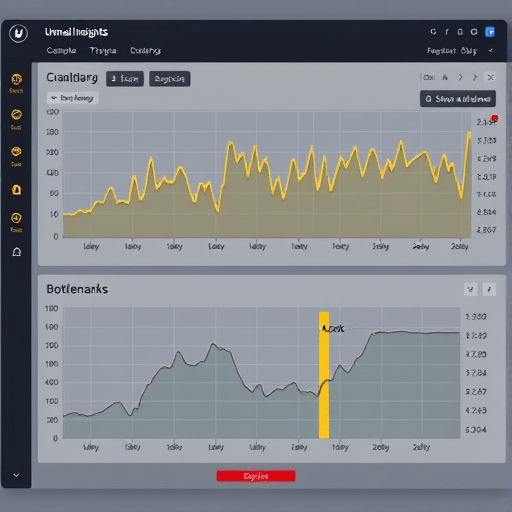
Imagine plotting the average engagement of a new battle pass season. It spikes at launch, declines sharply in week two, stabilizes in week three, then dips again before the big finale. The churn curve tells you exactly where those dips are. The art of battle pass timing is placing reward drops inside those valleys, not just at the end of the season.
For example, if analytics show a 20 percent engagement dip on day twelve for most players, schedule a bonus reward drop for day eleven. It can be a small unannounced bonus tier, a limited-time double XP window, or a hidden challenge that grants a cosmetic item. The reward does not need to be massive. It needs to arrive at the moment when the player is deciding whether to open the game again. A well-timed drop can flip that decision.
This approach also helps with the “finish early” problem. Instead of stretching the pass to force daily logins, add dynamic stretch rewards that unlock only for players who maintain a certain engagement level. When churn data indicates a widespread dip, trigger a “catch-up burst” that lets lapsed players quickly reach the next meaningful reward. That reduces the anxiety of falling behind and gives returning players a concrete reason to jump back in.
A 2026 Framework for Anti-Burnout Monetization
The key principle for this year is simple: monetization should never be a demand placed on an already exhausted player. It should be a natural response to a moment of positive engagement. Using churn data to schedule reward drops creates a framework that respects player energy while still driving revenue.
Consider a three-layer battle pass system designed to flex with player behavior. The first layer is the base pass: the core track with 50 or 60 tiers, unlocked by play time. The second layer is the dynamic stretch track: additional rewards that appear only when churn risk crosses a threshold. The third layer is the catch-up track: a lightweight path that allows returning players to earn past rewards at a slightly accelerated rate.
Because the stretch and catch-up tracks are driven by churn data, the system adapts in real time. If a server-wide engagement dip occurs, the game can automatically inject a “bonus reward burst” into the base pass. If a particular player segment shows signs of fatigue, their next few challenges can require less effort to achieve the same reward. The battle pass is not a fixed document anymore; it is a living calendar that reacts to player sentiment.
This approach also helps monetization indirectly. Players who feel supported and rewarded at the right moments are more likely to buy the next season pass. They are also more likely to make small, non-compulsory purchases like emotes or skins when they appear as flash rewards during a dip. The timing of a store offer matters just as much as the timing of a pass tier.
Balancing Monetization and Player Well-Being
There is an ethical line between using churn data to improve the experience and using it to exploit anxious players. Successful live-ops teams in 2026 avoid dark patterns like intentionally delaying rewards to create panic or pushing offers immediately after a player loses a match. Instead, they use churn data to identify moments of frustration and soften them.
One practical method is “pity timing.” If a player loses several matches in a row, their churn risk rises. Instead of showing a battle pass purchase prompt, show a free reward drop that restores their sense of progress. The reward drop might be a small amount of premium currency, a temporary boost, or a cosmetic bundle with a friendly message. The goal is to prevent frustration from becoming abandonment. A player who feels the game understands their struggle is far more likely to spend later.
Another method is to give players agency over when they engage with reward drops. Instead of forcing a “login now or miss it” window, let the reward drop be available for a generous grace period. This respects players who have busy lives and avoids the fear-of-missing-out approach that often leads to burnout. Churn data can help you decide the length of that grace period based on how quickly a segment typically returns to the game.
Implementation Notes for Live-Ops Teams
Putting churn-driven battle pass timing into practice does not require a massive data science team. Start with a small pilot. Choose one game segment, such as players who have reached level 20 in the current season but have not logged in for four or five days. Send them a targeted reward drop and measure the percentage that returns within 48 hours compared to a control group.
From a technical perspective, you need a few components in place: event tracking for battle pass progression, a churn probability score computed daily, and a rules engine that can trigger reward drops based on score thresholds. A/B testing is essential. Test reward timing, reward size, and available duration. Track not only retention but also revenue, support ticket volume, and average session time.
Once you see results, expand the pilot to more segments. Eventually, you can create an automated system where reward drops are scheduled by a machine learning model that predicts engagement dips several days in advance. That is the future of battle pass design: not a static ladder of rewards, but an adaptive moment-to-moment conversation between the game and the player.
In summary, the best battle pass timing in 2026 is not a schedule written months ahead. It is a responsive strategy built on churn data, designed to deliver rewards precisely when engagement dips threaten to turn active players into lost ones. By making the battle pass react to player behavior, you can reduce burnout, improve retention, and create a healthier revenue stream that players do not resent.