Altitude training nutrition is about more than carbohydrates and hydration. For endurance athletes sleeping or training at altitude, one of the most common challenges is how to boost iron without constipation, especially when relying on plant-based non-heme iron. The elegant solution is to pair vitamin C with non-heme iron and time calcium away from iron-rich meals — a strategy that supports hemoglobin production while keeping the gut calm. In other words, you don’t have to choose between high-altitude performance and digestive comfort.
Why Altitude Training Strains Your Iron Stores
When you train at altitude, the drop in partial pressure of oxygen triggers the release of erythropoietin, or EPO. That hormonal signal tells your bone marrow to make more red blood cells. More red blood cells mean more hemoglobin, and more hemoglobin means more oxygen delivered to working muscles. But hemoglobin synthesis requires a steady supply of iron — not just the day of the session, but for weeks around the training block.
Without enough iron, athletes often notice sluggish intervals, higher heart rates, and a feeling of “heavy legs.” Even with a healthy diet, altitude-induced iron losses can be higher than usual because of increased oxidative stress and small amounts of bleeding in the digestive tract during hard efforts. That’s why iron becomes a nutritional priority at altitude. Yet the standard advice — “eat more iron” — often ignores the uncomfortable side effects that come with it.
The Non-Heme Iron Problem: Plant Sources and Fiber’s Double-Edged Sword
Many altitude-training diets emphasize lentils, beans, leafy greens, quinoa, and fortified grains. These are excellent sources of non-heme iron, the form found in plants. Unlike heme iron from meat, non-heme iron is more sensitive to other foods eaten at the same meal. It can be enhanced or inhibited dramatically.
To make matters trickier, the same plant foods that provide iron are often high in fiber, phytates, and sometimes oxalates. Fiber is normally good for gut health, but when combined with high iron needs and possibly an iron supplement, it can contribute to bloating and constipation. This is why simply adding more spinach and beans isn’t always enough. You need to improve the bioavailability of the non-heme iron already on your plate — without turning your digestive system into a brick — by using food pairing and timing.
Pair Vitamin C with Non-Heme Iron: The Simplest Absorption Hack
Vitamin C is the most reliable enhancer of non-heme iron absorption. It reduces ferric iron to the more absorbable ferrous form and also forms a chelate that keeps iron soluble in the small intestine. Research has shown that as little as 50 to 100 milligrams of vitamin C at a meal can substantially increase non-heme iron uptake, even when phytates are present.
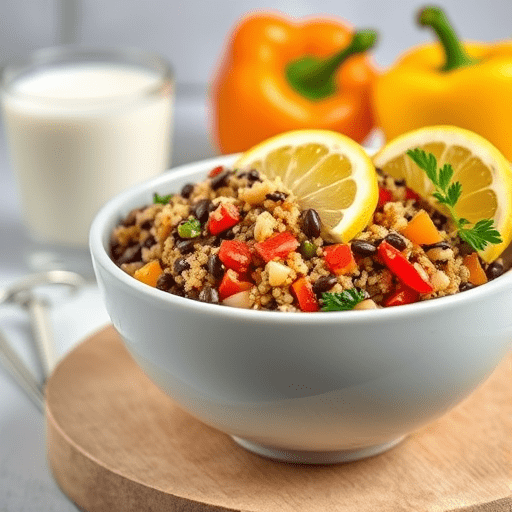
The practical benefit is huge for athletes at altitude. A squeeze of lemon over a lentil bowl, a handful of strawberries with oatmeal, or a side of roasted bell peppers with quinoa can make the iron in that meal count more. When you pair vitamin C with non-heme iron, you’re not necessarily eating more iron; you’re making more of it available to support hemoglobin synthesis. That means you can avoid the huge doses that often cause stomach distress.
What Not to Pair with Iron-Rich Meals
Tannins in tea and coffee are well-known inhibitors of non-heme iron absorption. Polyphenols in red wine and some herbal teas can interfere too. If you love your morning coffee, keep it at least an hour away from your iron-rich breakfast. The same goes for tea during lunch. This is a small timing adjustment that adds real value for altitude athletes trying to boost iron without constipation.
Time Calcium Away from Iron: A Metabolic Scheduling Strategy
Calcium is a double-edged nutrient in altitude training nutrition. You need it for bone health and muscle function, but when consumed with iron at the same meal, calcium inhibits absorption of both heme and non-heme iron. The effect is dose-dependent, but even a glass of milk or a serving of yogurt can blunt the iron response.
Rather than cutting out dairy or calcium supplements, schedule them away from iron-rich meals. For example, if your midday meal is a bean and quinoa bowl with vitamin C-rich vegetables, save the glass of milk or calcium-fortified plant drink for two hours later. If you take a calcium supplement, take it at night before bed, or with a snack that contains little iron. This way, you protect hemoglobin production without sacrificing bone health or caffeine-free digestion.
Choose the Right Iron Supplement and Delivery Format
Even with clever food pairing, some altitude athletes need a supplemental iron boost to keep ferritin from dropping. Traditional ferrous sulfate is widely used but notorious for causing constipation and black stools. If your hemoglobin is falling faster than your diet can keep up, consider a gentler form such as ferrous bisglycinate or iron protein succinylate. These chelated forms are often better tolerated while still providing usable iron.
If you do take an iron supplement, take it on an empty stomach or with a small amount of vitamin C. Avoid taking it with calcium, tea, coffee, or high-fiber meals. Start with a low dose every other day instead of a large daily dose; this mimics the body’s natural absorption limit and reduces oxidative stress in the gut. And don’t forget to increase water intake — hydration makes a real difference in preventing iron-induced constipation at altitude.
An Altitude Nutrition Day That Keeps Hemoglobin High and GI Calm
Putting these principles together is easier than it sounds. Here’s an example of a daily eating rhythm that pairs vitamin C with non-heme iron and times calcium away from key meals:
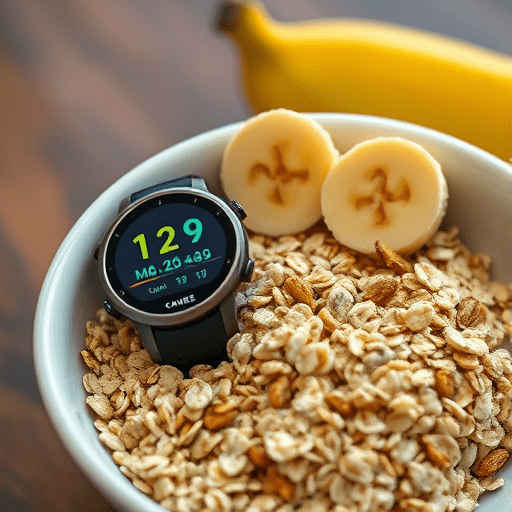
- Breakfast: Oats made with water or almond milk, topped with raspberries and pumpkin seeds. No dairy on top. A sliced orange on the side adds vitamin C.
- Mid-morning snack: A handful of almonds and an apple. If you drink coffee, wait until at least an hour after breakfast.
- Lunch: Lentil and quinoa bowl with chopped bell peppers, broccoli, and a lemon-tahini dressing. This meal is rich in non-heme iron and vitamin C, with no calcium in sight.
- Afternoon snack: Unsweetened dried apricots and a glass of water. Apricots offer a little iron and gentle fiber to keep things moving.
- Dinner: Baked salmon or chicken with sweet potato and sautéed Swiss chard. The animal protein provides heme iron, while vitamin C from the vegetables boosts absorption of any non-heme iron in the chard.
- Late evening: A small bowl of Greek yogurt or a glass of milk — now safely separated from your main iron meals.
Notice that this plan doesn’t ask you to give up dairy or eat mountains of steel. It simply uses the right food pairing at the right time. The result is a day that supports hemoglobin production, satisfies training needs, and keeps digestion steady during a demanding altitude block.
Watch Your Iron Levels Without Obsessing
Finally, good altitude training nutrition is individual. Not every athlete needs a daily iron supplement, and too much iron is harmful. Work with your sports dietitian or physician to check ferritin, hemoglobin, and inflammation markers before and after an altitude camp. If your ferritin is already low, address it before traveling to altitude rather than during the first week, when symptoms are easy to confuse with fatigue or jet lag.
With a smarter approach to iron absorption, you can boost iron without constipation, pair vitamin C with non-heme iron, and time calcium away from the foods that matter most. That’s the kind of quiet nutrition win that keeps your hemoglobin high and your gut comfortable while every other system adapts to altitude.
In the end, altitude training nutrition doesn’t need to be complicated. The key is to make every iron-containing meal work harder by pairing it with vitamin C, keeping calcium at a distance, choosing a well-tolerated supplement when necessary, and letting fiber and fluids do their job. With these simple strategies in place, you can focus on the training, not the digestive problems.