In a world where distributed teams have become the norm, managers face a new challenge: identifying burnout before it erodes productivity and morale. AI mood analytics: detecting burnout early in distributed teams offers a data-driven solution, turning unstructured communications into actionable insights. By leveraging sentiment dashboards, leaders can monitor emotional health in real time, intervene proactively, and foster a more resilient remote workforce.
Why Early Burnout Detection Matters for Remote Work
Burnout in distributed settings differs from traditional office environments. The lack of physical cues, blurred work–life boundaries, and asynchronous communication create a perfect storm for emotional fatigue. Studies show that 73% of remote employees report feeling isolated, and 60% admit to working beyond agreed hours to compensate for time-zone gaps. If left unchecked, these patterns can culminate in disengagement, high turnover, and costly onboarding.
Early detection is crucial because:
- Cost Savings – Addressing burnout early reduces the average replacement cost, estimated at 6–9 months of salary.
- Productivity Gains – Employees experiencing mild stress are 30% more productive than those in chronic burnout.
- Employee Well-Being – Timely support enhances psychological safety and fosters a culture of trust.
Building an AI Sentiment Dashboard: Key Components
Designing a sentiment dashboard involves three core layers: data ingestion, analysis engine, and visualization. Each layer must be tuned for distributed teams where messages arrive through email, chat, project management tools, and even voice notes.
Data Ingestion: From Diverse Sources
Collecting data without infringing on privacy requires a robust permissions framework. Employees should opt‑in for sentiment analysis, and data should be anonymized before processing. Common channels include Slack, Microsoft Teams, Asana, and Jira. APIs and webhooks allow real-time streaming, while batch imports capture historical trends.
Analysis Engine: Natural Language Processing and Contextual Models
Sentiment analysis alone is insufficient; context matters. Affective computing models such as BERT‑based classifiers can differentiate sarcasm from genuine frustration. To detect burnout, the engine should track:
- Frequency of negative emotional spikes (anger, sadness, fatigue).
- Prolonged periods of low positivity scores.
- Deviation from baseline sentiment levels for each team member.
Combining sentiment with behavioral signals—like reduced response times or decreased code commits—creates a more reliable burnout indicator.
Visualization: Dashboards that Speak the Team’s Language
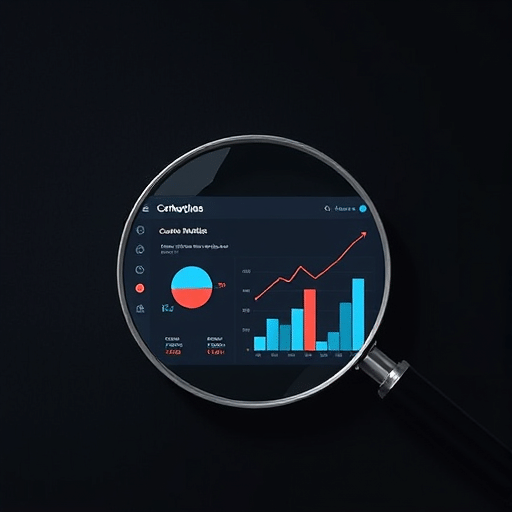
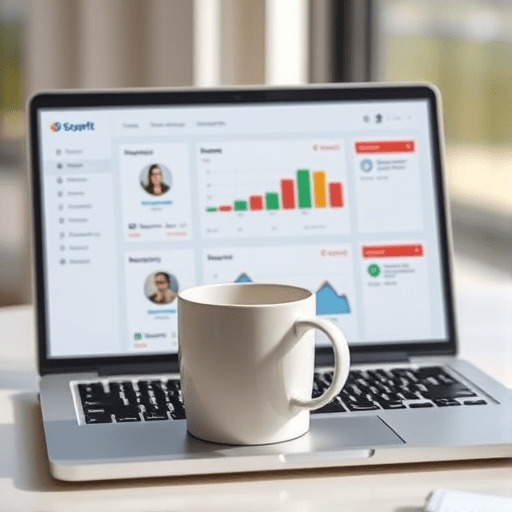
The front‑end must translate raw scores into intuitive visual cues. Effective dashboards feature:
- Heatmaps showing sentiment by time of day, revealing peak stress periods.
- Trend lines comparing individual scores to team averages.
- Alerts that trigger when a user crosses a predefined burnout threshold.
Color coding (green for positive, red for red flag) and simple icons keep the interface user‑friendly, ensuring managers can act on insights instantly.
Integrating Sentiment Scores with Existing HR Tools
For AI mood analytics to be truly transformative, it must feed into the HR ecosystem rather than exist in isolation. Integration points include:
- Employee Engagement Platforms – Sync sentiment data with pulse survey results to enrich trend analysis.
- Learning Management Systems – Highlight burnout as a factor when recommending skill‑gap training or wellness modules.
- Performance Management Tools – Provide contextual evidence for performance reviews, ensuring fair evaluation.
Automated workflows can notify HR or line managers when a sentiment score drops below the threshold, prompting a supportive check‑in or resource allocation.
Privacy and Ethics in Mood Analytics
Data about emotional states is highly sensitive. Organizations must adopt a privacy‑first mindset:
- Consent – Employees should explicitly opt‑in, understanding how data will be used and stored.
- Data Minimization – Collect only the information necessary for sentiment analysis, deleting raw text after scoring.
- Transparency – Provide dashboards that allow employees to see their own sentiment trends, fostering trust.
- Bias Mitigation – Continually test models for demographic biases, ensuring fair treatment across gender, ethnicity, and location.
Implementing these safeguards not only protects individuals but also strengthens organizational reputation in an era where data ethics matter.
Case Study: A Distributed Team’s Turnaround
When a software startup expanded from 15 to 75 employees across three continents, engagement dipped sharply. The leadership team deployed an AI mood analytics dashboard that monitored Slack messages, Jira updates, and weekly stand‑up recordings. Within two weeks, the system identified a sustained dip in positivity among the engineering squad.
Actionable insights led to:
- A “sprint fatigue” policy limiting non‑essential overtime.
- Weekly virtual coffee breaks to encourage informal bonding.
- Targeted mental‑health webinars based on identified stressors.
Within a month, sentiment scores rebounded by 25%, and turnover rates dropped by 18%. This demonstrates how data‑driven early intervention can transform remote work dynamics.
Future Trends: Adaptive Sentiment Models
As AI continues to evolve, future iterations of mood analytics will feature:
- Adaptive learning that tailors sentiment thresholds to individual baseline emotions.
- Multimodal analysis incorporating voice tone from video calls and facial expressions from screen sharing.
- Integration with wearable health data—like heart rate variability—to corroborate self‑reported stress.
These advancements will provide an even more granular view of team well‑being, enabling hyper‑personalized interventions.
In conclusion, AI mood analytics transforms the abstract concept of burnout into a measurable metric. By harnessing sentiment dashboards, managers can spot early signs of disengagement, intervene promptly, and cultivate a healthier, more productive distributed workforce.