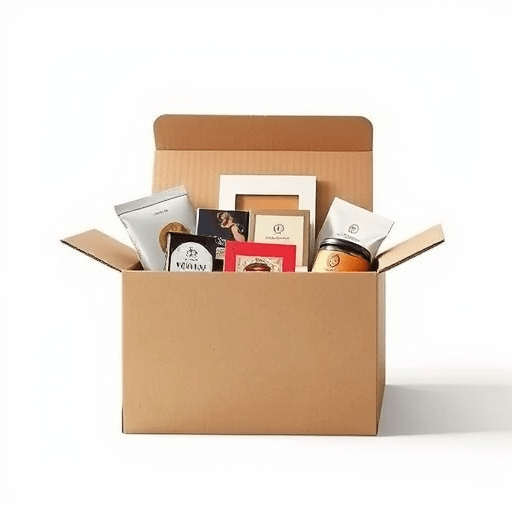
In 2026, entrepreneurs are turning to inventory‑free models to launch subscription box marketplaces that thrive on dropship, affiliate marketing, and community curation. By eliminating the need for warehouse space, large initial capital, and complex logistics, you can focus on customer experience, product discovery, and growth. This guide walks you through the key components—dropshipping, affiliate partnerships, peer curation, technical stack, monetization, and compliance—so you can launch a profitable marketplace with zero upfront inventory.
1. The Shift to Inventory‑Free Subscription Boxes
Traditional subscription boxes relied on bulk purchasing, long lead times, and a high risk of unsold inventory. Today’s market favors agility and minimal upfront investment. Consumers crave curated experiences, and sellers want to test niche products without overcommitting capital. By leveraging dropshipping, affiliate arrangements, and community curation, a marketplace can source, package, and ship items on demand, ensuring that every box reflects the latest trends and customer preferences.
2. Dropshipping: The Core Logistics Engine
In a dropship‑based marketplace, you list products from suppliers who handle storage, packing, and shipping. Your role is to match customers with suppliers, manage order flows, and maintain quality control. To keep margins healthy, negotiate bulk or tiered pricing, prioritize suppliers with quick shipping times, and enforce minimum order values that cover your transaction fees.
- Supplier vetting – Use platforms like Modalyst, Spocket, or direct manufacturer APIs to find vetted suppliers with transparent fulfillment rates.
- Order automation – Integrate your marketplace’s cart with the supplier’s API so that orders are pushed automatically upon checkout.
- Quality checkpoints – Require suppliers to provide product samples or real‑time shipping metrics to prevent late deliveries and damaged goods.
By building a reliable dropship network, your marketplace can scale instantly—adding new product categories or geographic regions without the overhead of warehousing.
3. Affiliate Partnerships: Turning Curators into Revenue Streams
Affiliates bring credibility and reach. Instead of buying inventory, you partner with content creators, niche bloggers, or niche subscription influencers who promote curated boxes. They receive a commission for every subscription that originates through their affiliate link.
- Commission structures – Offer a fixed percentage per subscription or tiered bonuses for high‑volume referrers.
- Performance dashboards – Provide affiliates with real‑time data on clicks, conversions, and earnings to keep them motivated.
- Co‑branding opportunities – Allow affiliates to brand the box, adding a personal touch that can increase conversion rates.
Affiliate marketing reduces acquisition cost while amplifying brand authority. For instance, a popular lifestyle blogger can showcase a “Spring Wellness Box” on their channel, driving traffic and sign‑ups directly to your marketplace.
4. Community Curation: Harnessing Peer Discovery
Community curation turns your marketplace into a living marketplace. Users vote, review, and suggest products for upcoming boxes. This not only builds engagement but also generates data-driven product decisions, ensuring that each box reflects real consumer preferences.
- Voting systems – Implement upvote/downvote or “I’d love this” buttons that influence the final product mix.
- Review syndication – Pull in user reviews into supplier listings, creating a feedback loop that improves quality over time.
- Feature highlights – Showcase “Community Picks” sections that spotlight the most popular products, driving transparency.
By integrating community curation, you can lower marketing spend and build a loyal user base that feels invested in the box’s content.
5. Technical Stack: Choosing the Right Platform
A robust technical foundation is essential for a subscription marketplace. While you can build from scratch, using a headless commerce platform can speed time‑to‑market and provide scalability.
- Commerce backbone – Shopify Plus, BigCommerce Enterprise, or WooCommerce with the Subscriptions extension.
- Marketplace engine – MarketKit, Sharetribe, or Dokan can add multi‑vendor support and commission tracking.
- API orchestration – Use Zapier, Integromat, or custom middleware to connect dropship suppliers, affiliate networks, and the marketplace front‑end.
- Payment processors – Stripe, PayPal, and Klarna support recurring billing with low processing fees.
With a modular stack, you can swap out components as your business evolves—adding new supplier APIs or expanding into subscription models like “pre‑purchased” boxes.
6. Monetization Models Beyond Commissions
While commissions from dropship and affiliates form the core revenue, diversifying streams can boost profitability.
- Premium subscription tiers – Offer “VIP” boxes with exclusive items, free shipping, or early access.
- Marketplace fees – Charge vendors a monthly listing fee or a small fee per order for premium placement.
- Advertising slots – Allow suppliers to pay for banner placements or featured categories.
- Data analytics services – Sell anonymized consumer trend reports to suppliers or brand partners.
Combining these models keeps revenue growth resilient against market fluctuations.
7. Legal & Compliance: Safeguarding Your Marketplace
Operating a marketplace that sources goods internationally introduces legal nuances. Key considerations include:
- Supplier contracts – Draft agreements that cover product liability, quality standards, and delivery timelines.
- Intellectual property – Ensure suppliers have the right to sell the items and that you do not infringe on trademarks.
- Data privacy – Implement GDPR and CCPA‑compliant data handling, especially if you collect user preferences for curation.
- Consumer protection – Offer clear return policies, refund processes, and customer support that aligns with local regulations.
- Tax compliance – Automate tax calculations for cross‑border sales using tools like Avalara.
Addressing these factors early reduces risk and builds trust with users, suppliers, and partners.
8. Scaling Strategies: From Launch to Global Reach
Once your marketplace proves profitable, scaling involves expanding product categories, geographic reach, and brand influence.
- Localized boxes – Create region‑specific boxes that reflect local tastes, partnering with local suppliers to maintain relevance.
- Multilingual support – Add language options and culturally tailored marketing to attract international customers.
- Partnership ecosystems – Form alliances with established subscription services for cross‑promotion.
- AI recommendation engines – Use machine learning to personalize product suggestions based on browsing and purchase history.
By iteratively refining the product mix and expanding into new markets, your subscription box marketplace can evolve from a niche hobby to a global brand.
Conclusion
Launching a subscription box marketplace without upfront inventory costs is now more feasible than ever. By combining dropshipping, affiliate marketing, and community curation, you can create a dynamic, low‑risk business model that adapts quickly to consumer trends. With a solid technical foundation, diversified monetization, and robust legal safeguards, you’re positioned to grow from a local startup into a scalable, sustainable marketplace in 2026 and beyond.