Medication adherence has long been the stubborn weak link in chronic disease management. Even the most diligent patients forget doses, lose motivation, or quietly drift away from a regimen once symptoms ease. Now, a new generation of AI-driven habit loops in patient apps is reshaping that pattern, reportedly cutting medication drop-off by as much as 40%. Instead of nudging users with static alarms, these apps learn how, when, and why a specific person is likely to skip — and intervene with personalized loops that turn pill-taking into an automatic behavior rather than a conscious task.
The Hidden Cost of Medication Drop-off
Non-adherence is not a minor inconvenience. The World Health Organization has estimated that roughly half of patients with chronic illnesses do not take their medications as prescribed, costing health systems hundreds of billions of dollars annually in avoidable hospitalizations, disease progression, and complications. Beyond the financial burden, the human cost is significant: stroke survivors stop taking anticoagulants, transplant patients miss anti-rejection drugs, and people with depression abandon antidepressants prematurely.
Traditional reminder apps treated the symptom — forgetfulness — without addressing the deeper psychological architecture of habit formation. A beep at 8 a.m. is not the same as a well-timed, context-aware intervention that anticipates a user’s environment, mood, and prior behavior.
What Exactly Is an AI-Driven Habit Loop?
Habit loops, a concept popularized in behavioral science, consist of three elements: a cue, a routine, and a reward. AI-driven patient apps now engineer these loops dynamically, using machine learning models trained on individual usage data. Each component is personalized:
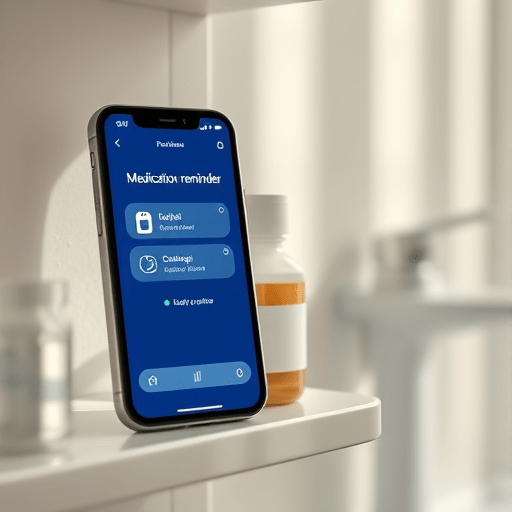
- Smart cues: Rather than fixed alarms, the system detects contextual triggers — opening the bathroom cabinet, unlocking the phone near the kitchen, even entering a geofenced location like home or office — and surfaces a dose prompt at the moment a patient is most likely to act.
- Adaptive routines: The app learns how a specific patient prefers to take medication. Some pair it with breakfast, others with brushing teeth. Over time, the routine becomes anchored to a pre-existing behavior, dramatically increasing consistency.
- Personalized rewards: Streaks, micro-progress visualizations, or unlocked educational content reinforce adherence. Importantly, the reward evolves — the system recognizes when a user is bored of a particular reinforcement and substitutes a new one.
Predictive Models That Spot a Miss Before It Happens
Perhaps the most transformative feature is predictive drop-off detection. By analyzing patterns such as login frequency, time-of-day variance, missed check-ins, and even typing speed during symptom logging, AI can flag a patient who is trending toward disengagement days before they actually skip a dose. The app then triggers an escalation protocol — perhaps a motivational message, a pharmacist chat prompt, or a caregiver notification — calibrated to the user’s risk profile.
This approach reframes adherence support. Rather than punishing failure after the fact, the system intervenes at the leading edge of disengagement.
Behavioral Economics Meets Real-Time Personalization
Several principles from behavioral economics now appear baked into these apps:
Loss Aversion
Instead of framing progress as “You’ve taken 14 doses this month,” the app may say “You’ve maintained a 14-day streak — don’t break it now.” Studies show loss-framed messaging outperforms gain-framed messaging for ongoing adherence tasks.
Choice Architecture
The app subtly simplifies decisions. Patients with multiple medications see a single, consolidated “morning routine” view rather than four separate prompts, reducing cognitive load — a known driver of non-adherence in polypharmacy patients.
Social Accountability
Optional peer cohorts, anonymized comparison dashboards, and caregiver dashboards introduce gentle social pressure. The user sees their adherence rate relative to others in their condition cohort, a powerful motivator when framed supportively.
The 40% Reduction: Where Does That Number Come From?
Recent pilots from digital therapeutics companies and integrated health systems have reported adherence improvements ranging from 25% to 45% when AI-driven habit loops replace conventional reminder systems. The often-cited 40% figure typically emerges from studies comparing a control group using standard SMS or static reminders to an intervention group using adaptive, AI-personalized loops over a six-to-twelve-month window. Conditions studied include hypertension, type 2 diabetes, depression, and HIV pre-exposure prophylaxis.
Three elements appear responsible for the outsized impact:
- Time-of-day optimization shifts dose timing to match a patient’s actual daily rhythm rather than an arbitrary default.
- Fatigue detection pauses notifications when a user is overwhelmed, preventing notification burnout.
- Refill anticipation prompts a prescription reorder before the patient runs out, eliminating the most common reason for hard discontinuation.
Privacy, Trust, and the Sensitive Nature of Health Data
Of course, an app that learns your bathroom schedule, location patterns, and mental health symptoms is also an app collecting extraordinarily sensitive data. The most reputable platforms deploy on-device inference, meaning behavioral models run locally and only anonymized, aggregated insights leave the phone. Federated learning architectures allow model improvement without exposing raw patient data to central servers.
Transparency is another pillar. Users can see which signals the model uses, why a particular cue fired, and how to disable specific data categories. In an era of growing digital health skepticism, that visibility is not optional — it is foundational.
What Clinicians Are Saying
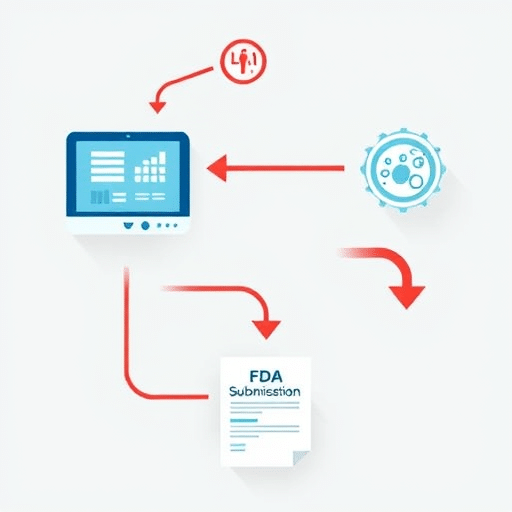
Physicians who prescribe these apps report a shift in their own workflow. Rather than learning about non-adherence weeks after the fact during a follow-up visit, they receive dashboard alerts when a patient’s risk score crosses a threshold. Some platforms integrate directly with electronic health records, letting clinicians view adherence alongside lab results, allowing them to differentiate between medication failure and biological treatment resistance.
Pharmacists, often the first line of defense, are using these tools to deliver targeted counseling. A pharmacist receiving an alert that a patient is at high risk of discontinuation can call at the optimal moment — typically the same day — when the patient is most receptive.
The Road Ahead: From Habit Loop to Health Loop
The next frontier is expanding the loop beyond medication. The same behavioral architecture that supports pill-taking can scaffold sleep hygiene, physical therapy exercises, glucose monitoring, and mental health check-ins. Rather than a medication app, we are moving toward a health behavior engine — a unified layer that personalizes every routine a chronic condition demands.
Generative AI assistants are also entering this space, offering conversational check-ins that feel less like surveillance and more like a supportive partner. Combined with wearable sensors that confirm pill ingestion (via smart bottles, ingestible sensors, or biosignal proxies), the fidelity of adherence data will continue to climb.
Medication adherence will always involve human imperfection. But by replacing blunt reminders with intelligent, adaptive, and respectful habit loops, digital health is finally giving patients a fighting chance against the dropout curve — and giving clinicians a tool worthy of the complexity of the people they treat.