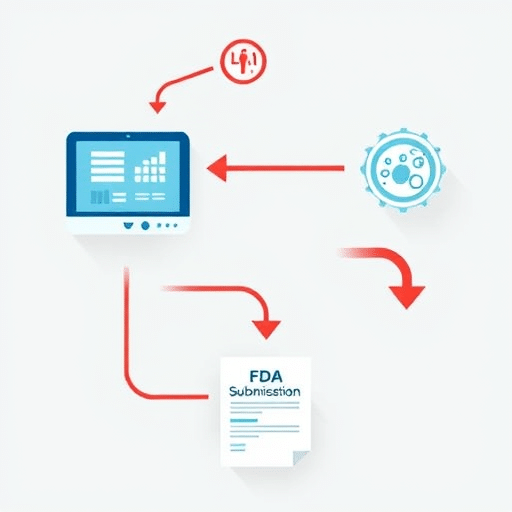
Payer negotiation tactics with real-world registry data are now central to winning coverage for medical devices, diagnostics, and digital therapeutics. In today’s budget-constrained environment, payers are no longer satisfied with clinical efficacy alone. They want to know whether a new product reduces total cost of care, changes utilization patterns, and produces measurable offset against the expense of adoption. A well-structured digital registry can answer these questions using data generated from actual clinical practice. The result is a negotiation process grounded in evidence that payers trust because it comes from their own patient populations and treatment contexts.
Why Traditional Clinical Evidence Fails to Convince Payers
Randomized controlled trials (RCTs) remain the gold standard for establishing safety and efficacy. Yet when a payer asks “What will this do to my total medical spend?” or “Will this reduce downstream hospitalizations or repeat procedures?”, the RCT often falls silent. Strict inclusion criteria limit generalizability. Follow-up periods are too short to capture long-term cost impacts. And because trials are designed for regulatory approval, they rarely collect detailed healthcare resource utilization or patient-level cost data.
Real-world registries close that gap. By capturing patient outcomes and resource use in everyday clinical settings, they provide the evidence payers need to assess budget impact and cost-offset. But not all registry data carries equal weight. Payers are becoming sophisticated reviewers. They know which endpoints are decision-grade and which are merely exploratory. Successful negotiation demands that you speak their language—with metrics tied to the economics of care, not just physiological improvement.
Registry Endpoints That Actually Move Payer Decisions
The most persuasive registry submissions focus on endpoints that link directly to cost-offset and payer pain points. These are the metrics medical and pharmacy directors expect to see when evaluating new coverage requests:
- Total cost of care per patient episode: Including the index procedure or prescription, all follow-up care, and any complication-related costs.
- Healthcare resource utilization (HCRU): Hospitalizations, emergency department visits, specialist consultations, imaging, and laboratory tests.
- Time-to-next-intervention: How long before a patient needs another procedure, treatment escalation, or additional therapy.
- Readmission rates: Particularly for surgical devices or chronic disease management tools, where avoidable readmissions are a major cost target.
- Medication adherence and discontinuation: Critical for digital therapeutics and specialty pharmacy products. Payers know that dropped treatment equals wasted upfront spend.
- Work productivity and disability days: An increasingly valued endpoint because employers and self-insured plans directly feel the financial impact.
These endpoints become far more compelling when benchmarked against a matched control cohort, a historical standard-of-care group, or an established payer-specific database. Raw unadjusted numbers will not survive the scrutiny of a health economics review.
Build a Cost-Offset Narrative From Registry Endpoints
Data alone does not win coverage. Payer negotiations are won with a clear narrative that connects your registry endpoints to the specific cost drivers the plan already tracks. The process begins before you ever open a negotiating session.
Step One: Identify the Payer’s Cost Pain Points
Every payer has a different set of priorities. One may be focused on readmission penalties. Another may be concerned about unnecessary surgical revisions. A third may be desperate to reduce behavioral health-related emergency visits. Study the payer’s publicly available policies, quality incentive programs, and past coverage decisions. These reveal the cost areas they care most about.
Step Two: Map Registry Endpoints to Those Pain Points
Once the pain points are clear, select the registry endpoints that demonstrate your product’s impact on them. If the payer worries about post-discharge complications, your readmission and HCRU data becomes the centerpiece of the submission. If the concern is medication abandonment, adherence rates and discontinuation curves take priority.
Step Three: Quantify Net Cost-Offset Using Adjusted Comparisons
Crude comparisons often mislead, and payers know it. Use multivariable adjustment or propensity matching to address differences in age, comorbidity burden, disease severity, and site of care. Present both unadjusted and adjusted results. Transparency about your analytical approach signals rigor and builds credibility. A modest but credible cost-offset is far more persuasive than a dramatic but statistically fragile claim.
Also consider the time horizon. Payer budgets operate on annual cycles. If your registry shows cost-offset only after three years, the plan may still be unwilling to take on first-year spending. Wherever possible, present early indicators—such as reduced short-term utilization or fewer immediate complications—to ease the budget-impact conversation.
What Breaks a Registry-Based Coverage Submission
Having negotiated with dozens of health plans and specialty review organizations, I can tell you that the most common reasons registry evidence gets rejected are not about clinical outcomes. They are about data quality and relevance. Watch out for these pitfalls:
- Selection bias: If your registry only includes high-performing sites or highly compliant patients, payers will question generalizability.
- Missing data: Incomplete follow-up on cost or utilization variables undermines the entire cost-offset calculation.
- Inadequate risk adjustment: Unadjusted cost differences are routinely dismissed by payer actuaries.
- Ignoring standard-of-care comparison: A registry without a comparator group forces payers to guess what care would have cost otherwise.
- Misaligned endpoints: Focusing on clinical scores while ignoring economic endpoints is the fastest way to lose the cost-offset conversation.
Equally important is interoperability. If your registry data cannot be linked to claims or pharmacy benefit manager data, the payer may not be able to validate your findings in their own population. Design your registry with standardized data elements that are compatible with common claims coding systems.
Presenting Registry Findings in the Payer Review Process
How you present the data often matters as much as what the data says. Payer medical directors and pharmacy directors review many submissions each week. A dense technical document will not be read carefully. Instead, structure your evidence package around a value dossier format:
- A one-page executive summary of the cost-offset claim and primary registry endpoint results.
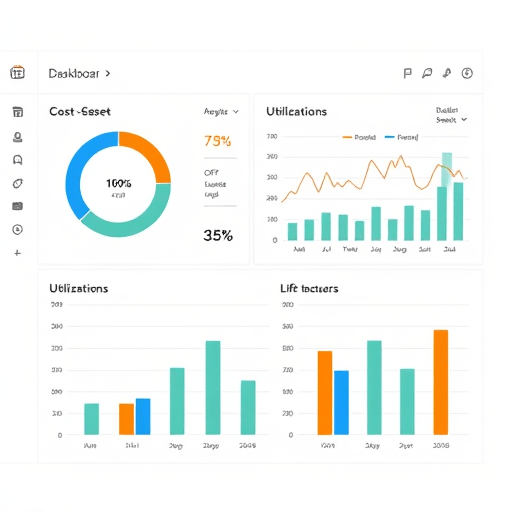
- A visual dashboard showing utilization reductions, cost curves, and comparator trends.
- A concise table of adjusted cost differences with confidence intervals and effect sizes.
- A short appendix with study limitations and how you addressed them.
Once a payer grants provisional approval, propose a pilot program using your registry as the ongoing data collection tool. This turns your registry from a static submission artifact into a living evidence source. It also builds a collaborative relationship—the payer sees real-world performance on their own members and can adjust payment or coverage terms based on demonstrated outcomes.
Conclusion
Registry data will never replace the safety and efficacy evidence required for regulatory approval. But when it comes to payer coverage decisions, the negotiation is increasingly won on the strength of cost-offset evidence drawn from real-world practice. Organizations that invest in digital registry infrastructure, use decision-grade endpoints, and translate those results into clear economic narratives will be positioned to secure favorable coverage and expand into new indications with far less resistance.