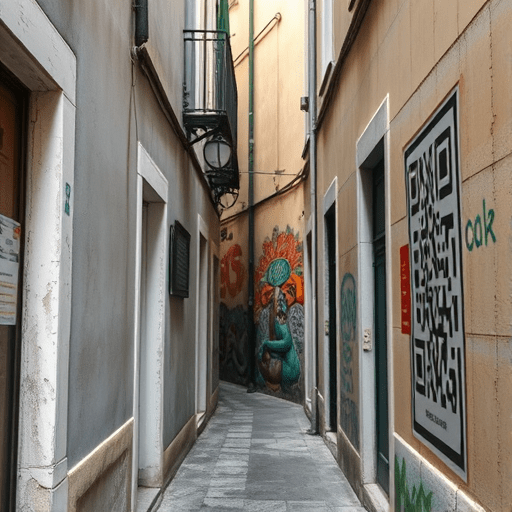
Lisbon’s streets are a living canvas, but many of the most striking murals and graffiti pieces hide beneath the city’s iconic facades, tucked into stairwells, abandoned subway tunnels, and overlooked alleyways. In 2026, a new wave of QR-enabled tours is making it easier than ever for tech-savvy beginners to uncover these urban treasures. This guide walks you through everything you need to know— from choosing a QR guide app to navigating the city’s labyrinthine underground corridors—so you can enjoy Lisbon’s secret art scene with confidence and curiosity.
Why QR-Enabled Tours? The Tech Advantage for Street Art Discovery
Traditional street art guides often rely on printed maps or GPS coordinates, which can be confusing and outdated. QR codes, on the other hand, provide instant, up-to-the-minute information right on your smartphone. When you scan a QR code, you’re usually taken to a short audio narration, a photo gallery, or a short video that explains the artwork’s context, the artist’s background, and the socio-political message behind the piece. This dynamic format keeps the content fresh, especially as new murals appear and older ones are replaced or removed.
Getting Started: Choosing the Right QR App
Below are three of the most popular QR-guided street art apps that are currently available in Lisbon. Each offers unique features, so pick one that matches your learning style and technical comfort level.
- ArteScan – A lightweight scanner that auto-detects QR codes and provides concise audio descriptions. Ideal for quick, on-the-go exploration.
- StreetEcho – Includes an interactive map and user-generated tags, allowing you to see what other explorers have highlighted in the underground galleries.
- UrbanPulse – A full-featured app with augmented reality overlays that show the original painting before renovations or vandalism.
Most of these apps are free, with optional premium tiers that unlock historical archives or offline access for battery-conscious travelers.
Preparing Your Smartphone for a QR-Enabled Tour
Before you hit the streets, make sure your device is ready. QR codes are generally easy to scan, but some older devices or low-light environments can cause trouble. Follow these quick prep steps:
- Enable Camera Access – Ensure the chosen app has permission to use your camera.
- Update Your OS – Outdated software can interfere with scanning performance.
- Install a Backup Scanner – Apps like QR Code Reader can serve as a fallback if your main app fails.
- Charge Your Battery – A full charge is essential, as battery consumption can increase during prolonged tours.
- Download Offline Maps – In case of spotty network coverage, offline maps keep you oriented.
Planning Your Route: Mapping Hidden Underground Art Spots
Lisbon’s underground art is concentrated in a few key districts. Here’s a suggested route that balances accessibility with hidden gems.
1. Baixa–Chiado Subterranean Galleries
The old city center’s underground passageways are a maze of brick walls and staircases. Start at Rua de São Domingos and look for QR codes tucked into wall corners. A quick scan will reveal stories of the city’s industrial past and the artists who reclaimed these spaces.
2. Alfama’s Secret Stairs
Alfama’s narrow alleys hide more than fado music; some of the most vibrant murals are tucked beneath the staircases that link the old quarter to the newer parts of the city. Follow QR markers that point you to the Casa do Alentejo wall where a large-scale piece commemorates the 2024 Lisbon Earthquake memorial.
3. Príncipe Real’s Underbelly
From the famous Campo de Ourique square, head underground via the Cais do Sodré metro station’s underpass. Here, QR codes guide you through an evolving gallery of political protest art that reflects Portugal’s ongoing debate over European Union policies.
Interpreting QR-Enabled Content: Beyond the Code
When you scan a QR code, you’ll often encounter multimedia content that adds depth to the artwork. Here’s how to make the most of it:
- Audio Narratives – Most tours provide a brief spoken explanation. If you’re in a noisy area, consider using headphones to capture every nuance.
- Image Galleries – Many QR codes link to high-resolution images that let you zoom in on brushwork, texture, and hidden details that you might miss in person.
- Video Clips – Short documentaries often show the creation process or the community’s response to the mural.
- Artist Interviews – Some tours include personal stories from the artists, adding a human touch that contextualizes the visual style.
Decoding Artistic Themes
Lisbon’s underground art tends to revolve around three core themes:
- Resilience – Reflecting the city’s post-earthquake rebirth.
- Identity – Exploring Lisbon’s multicultural heritage, from Moorish roots to contemporary diaspora.
- Political Commentary – Addressing national issues such as immigration policy, EU relations, and social inequality.
Use the QR content as a key to unlock these narratives. The deeper you engage, the richer your experience becomes.
Practical Tips for Exploring Underground Spaces Safely
While QR-enabled tours are fantastic, exploring underground areas requires awareness. Follow these safety guidelines:
- Wear Comfortable Shoes – Many tunnels have uneven flooring and stairs.
- Check Lighting – Some areas are poorly lit. Carry a small flashlight or use your phone’s torch.
- Stay Close to Guides – QR codes often guide you step-by-step; stepping off the marked path can lead to disorientation.
- Mind Your Belongings – Keep your phone, wallet, and camera secure; low-ceilinged areas may be susceptible to vandalism.
- Respect the Space – Do not touch the murals or take photos without permission if the QR code explicitly states so.
Expanding Your Experience: Combining QR Tours with Physical Exploration
QR codes are a gateway, but the real magic happens when you combine digital and tactile exploration. After scanning a code, step back and observe the surroundings. Notice how the mural interacts with architectural elements like brick patterns, ventilation shafts, or graffiti that predates the current piece. This interplay often creates an evolving narrative that changes with time, light, and even weather.
Keeping Your Findings in the Loop: Sharing with the Community
Many QR apps include social features. Share your favorite discoveries with fellow explorers by:
- Uploading Photos – Contribute to the collective database for future tourists.
- Leaving Reviews – Rate the artwork’s significance or the clarity of the QR description.
- Tagging Locations – Help others find less obvious QR spots.
By contributing, you become part of an ever-growing community that keeps Lisbon’s underground art alive and accessible.
Looking Ahead: What 2026 Holds for QR-Enabled Street Art Tours
With the rise of 5G connectivity, future QR tours may integrate real-time crowd-sourced data, allowing you to see live updates about art restoration, vandalism alerts, and even live streams of mural festivals. Moreover, augmented reality layers might overlay historical images, letting you experience how a wall looked a decade ago versus today. For now, however, the humble QR code remains an incredibly effective bridge between hidden art and curious explorers.
Conclusion
Exploring Lisbon’s hidden underground street art through QR-enabled tours offers a dynamic, immersive, and tech-friendly way to uncover the city’s most secretive murals. By choosing the right app, preparing your device, and following a thoughtfully mapped route, beginners can navigate the city’s labyrinthine passages with ease and insight. Embrace the blend of technology and urban culture, and let the hidden canvases of Lisbon inspire your next adventure.