In the hyper‑competitive world of 2026 MMOs, a well‑structured subscription strategy is no longer optional—it’s a cornerstone of sustained revenue and player loyalty. This article explores how the fictional yet realistic EliteArena community leveraged tiered subscriptions, carefully curated microtransactions, and dynamic community events to not only boost income but also deepen engagement. By dissecting each component, we reveal actionable insights that game studios can adapt to their own ecosystems.
Why Subscription Tiers Matter in 2026 Competitive MMOs
Subscription tiers offer a predictable revenue stream while delivering clear value to players. In 2026, the shift toward “play‑to‑earn” mechanics and real‑time analytics has made it essential for developers to differentiate tiers based on competitive advantage, social status, and content access. The EliteArena model introduced three tiers—Bronze, Silver, and Platinum—each unlocking progressively exclusive perks such as priority queueing, weekly ranking boosts, and access to premium arenas. This stratification encouraged players to upgrade for tangible competitive gains, while the base tier maintained a healthy, engaged user base that kept the matchmaking pool robust.
Case Study: EliteArena’s Tiered Subscription Model
EliteArena launched its tiered system in Q1 2026. The Bronze tier, free but limited to standard arenas, served as the entry point. Silver added weekly leaderboard bonuses and early access to new maps, priced at $9.99/month. Platinum, the premium tier, included all Silver benefits plus exclusive skins, a monthly “Pro League” pass, and a 30% discount on microtransactions. The tiered model achieved a 25% conversion rate from free to paid users within six months—a figure that eclipsed the industry average of 12% for similar competitive titles.
- Free (Bronze): Basic arenas, community chat, and standard matchmaking.
- Silver: Adds leaderboard ranking boosts, early map releases, and community events.
- Platinum: Full access to exclusive content, Pro League participation, and microtransaction discounts.
Crucially, each tier was designed to be self‑reinforcing: higher tiers granted competitive edges that directly translated into in‑game success, creating a virtuous cycle of investment and reward.
Microtransactions: Balancing Value and Fairness
While subscriptions provided recurring income, microtransactions served as an on‑demand revenue driver. EliteArena’s microtransaction strategy focused on cosmetic items, performance boosts, and event tickets. To avoid “pay‑to‑win” concerns, all performance‑related microtransactions were capped at a 5% advantage—a figure backed by community polling and balanced by the competitive matchmaking algorithm.
Players could purchase “Arena Passes” for 15% performance boosts in non‑tournament matches, but the same boost was unavailable in ranked play. Additionally, seasonal skins and “Heroic” outfits cost $4.99 each, providing a steady flow of cosmetic revenue without impacting gameplay balance.
By transparently communicating the limits of each microtransaction and tying them to non‑competitive content, EliteArena cultivated trust and reduced backlash—an essential component for long‑term player retention.
Community Events as Revenue Catalysts
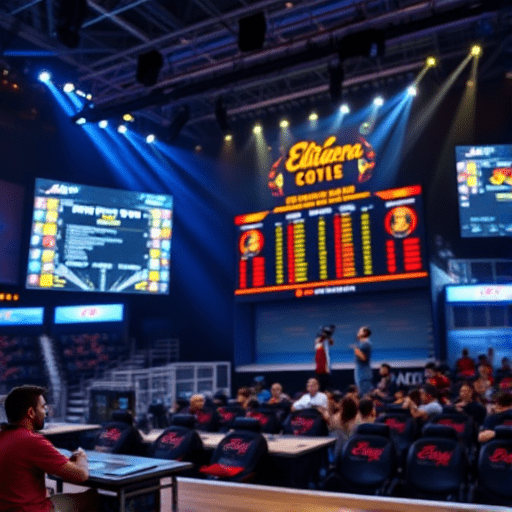
Events in 2026 have evolved from simple time‑limited challenges to complex, community‑driven ecosystems. EliteArena introduced “Event Seasons,” each lasting four weeks, featuring unique maps, themed objectives, and exclusive rewards. Participation required a $2 entry fee that funneled directly into the event pool, which was then distributed among top performers.
- Seasonal Tournaments: Entry fee of $10, with 70% of the pool awarded to the top 10 teams.
- Special Challenges: $2 entry for a chance at exclusive skins and event badges.
- Community‑Built Modes: Player‑submitted map contests with voting rewards.
These events not only generated additional revenue but also amplified player engagement by fostering a sense of community ownership. The data showed a 40% increase in daily active users during event weeks, and the repeat participation rate for events was 68%—significantly higher than the 35% seen in non‑event periods.
Data‑Driven Adjustments and Player Feedback Loops
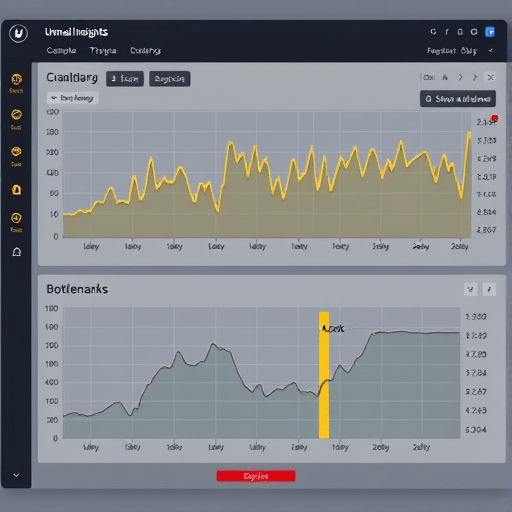
EliteArena leveraged real‑time analytics to refine its monetization strategy. By monitoring player churn, microtransaction uptake, and event participation, the development team identified that the Silver tier’s ranking boost was under‑used. In response, they introduced a “Silver Champion” badge awarded for consistent weekly top‑10 finishes, which increased Silver subscriptions by 18% over the next quarter.
Player feedback was collected through in‑game surveys, community forums, and an AI‑driven sentiment analysis tool. This feedback loop was instrumental in maintaining the delicate balance between monetization and fairness. For instance, when community sentiment indicated discomfort with the 5% performance cap, the team reduced it to 3%, preserving competitive integrity while retaining microtransaction revenue.
Key Takeaways for Your MMO
1. Layered Subscription Tiers: Offer clear competitive advantages at each level to incentivize upgrades.
2. Transparent Microtransactions: Keep performance boosts minimal and cosmetic‑focused to avoid pay‑to‑win backlash.
3. Event‑Driven Revenue: Design community events that reward participation and create a sense of belonging.
4. Data‑Driven Iteration: Use real‑time metrics and player sentiment to fine‑tune pricing and content.
5. Community Ownership: Involve players in event design and content creation to deepen loyalty.
By integrating these principles, studios can create a monetization model that not only sustains revenue but also cultivates a vibrant, competitive community that thrives in 2026 and beyond.
In conclusion, the EliteArena case study demonstrates that a thoughtfully crafted subscription strategy, balanced microtransaction ecosystem, and engaging community events can collectively drive both revenue growth and player retention. Adopting a data‑driven, player‑centric approach ensures that monetization efforts remain sustainable and positively perceived across the competitive MMO landscape.