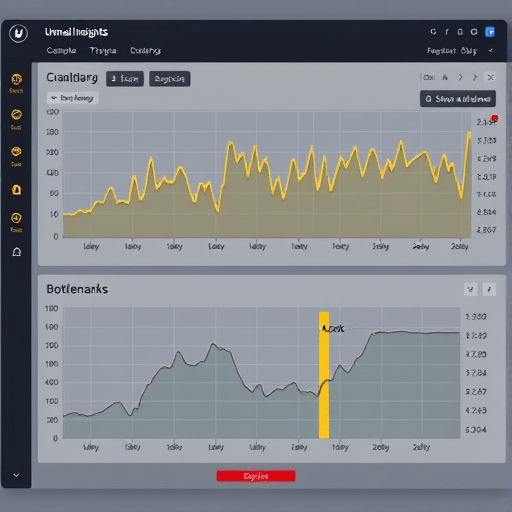
In 2026, esports and casual gaming have become lucrative arenas for brands, but securing sponsorships still hinges on convincing sponsors that you can deliver measurable impact. AI gameplay analysis for sponsorship pitches bridges the gap between raw play and actionable data, letting you showcase performance trends, audience engagement, and brand affinity in a single, data‑rich presentation. By harnessing real‑time stats, machine‑learning insights, and automated reporting, you can move from anecdotal success to a quantifiable case study that resonates with sponsors.
1. Real‑Time Data Capture: The Foundation of Credibility
Collecting accurate, granular data is the first step in building a trustworthy pitch. Modern streaming platforms, gaming peripherals, and cloud analytics services now expose APIs that deliver frame‑by‑frame metrics: kills, assists, health, position heatmaps, and even micro‑interactions like button‑press frequency.
- API Integrations: Connect your streaming software to services such as Twitch, YouTube Gaming, or Mixer via webhooks to capture live viewer counts, chat activity, and interaction rates.
- Peripheral Sensors: Use smart controllers and eye‑tracking headsets to log reaction times, hand positioning, and gaze patterns that correlate with gameplay intensity.
- In‑Game Analytics SDKs: Embed SDKs from game developers (e.g., Unity Analytics, Unreal Insights) to retrieve event logs, session lengths, and in‑game purchase data.
When you can demonstrate that your data streams are authenticated and continuously updated, sponsors gain confidence that the numbers you present reflect genuine performance.
2. AI‑Driven Insight Generation: Turning Numbers into Narratives
Raw data is valuable only when translated into actionable insights. AI models—particularly those built on time‑series forecasting, clustering, and natural language generation—can uncover patterns that human analysts might miss.
- Performance Trend Analysis: Recurrent neural networks (RNNs) predict future performance metrics based on historical data, giving sponsors a roadmap of your potential growth.
- Audience Segmentation: K‑means clustering on viewer demographics, engagement, and purchase behavior helps identify key audience personas that align with sponsor targets.
- Sentiment & Influence Metrics: NLP models analyze chat logs and social media mentions to quantify your brand influence and sentiment trends.
Once these insights are generated, the next step is packaging them in a way that speaks to brand objectives—whether it’s reaching Gen Z gamers, driving in‑game purchases, or increasing product awareness.
3. Crafting a Data‑Backed Pitch: The Pitch Deck Blueprint
When constructing your pitch deck, follow a narrative arc that mirrors a marketing funnel: Attention → Interest → Desire → Action. Each slide should combine AI insights with visual storytelling.
- Executive Summary: Open with a clear headline—“AI‑Optimized Gameplay Delivered 30% More Engagement” – supported by a single, striking data point.
- Performance Snapshot: Use heatmaps, leaderboards, and key‑moment videos augmented with AI‑identified highlights.
- Audience Profile: Present cluster diagrams that match sponsor target demographics, accompanied by psychographic descriptors.
- Engagement & Conversion Metrics: Show funnel charts linking in‑game actions to real‑world outcomes (e.g., click‑through rates to sponsor products).
- Predictive ROI: Insert AI‑generated revenue projections, including scenario modeling for different sponsorship tiers.
- Case Study Snapshots: Briefly detail past collaborations, ROI figures, and lessons learned.
Use consistent branding, color palettes, and concise language. Remember, sponsors read dozens of pitches; clarity and brevity win.
4. Visual Storytelling: From Data to Brand Narrative
Visuals translate complex AI outputs into digestible formats. Leverage dynamic dashboards, animated infographics, and augmented reality overlays to make your data pop.
- Live Dashboards: Tools like Tableau Public or Power BI allow sponsors to interact with your data in real time, boosting transparency.
- AR Brand Layers: Overlay sponsor logos and product placements onto gameplay footage via AR engines, showcasing potential in‑game exposure.
- Data‑Driven Storyboards: Use story mapping tools (e.g., Miro) to illustrate how viewer journeys align with sponsor touchpoints.
High‑quality visuals reduce cognitive load and let sponsors quickly assess the alignment between your gameplay and their marketing goals.
5. Case Studies: Real‑World Successes in 2026
Highlight examples where AI gameplay analysis directly translated into sponsorship wins.
- “Quantum Gaming” and TechGear: By mapping reaction time improvements to a new controller’s firmware, they secured a 20% increase in product sales during streams.
- “Arcade Legends” and StreetFood Inc. Real‑time heatmaps showed audience concentration during specific in‑game events; sponsors paid a premium for those segments.
- “PuzzleMaster” and EcoBottle: Sentiment analysis linked brand mentions to a 15% lift in eco‑product awareness among Gen Z viewers.
These stories demonstrate that AI‑driven data, when integrated into a strategic pitch, can unlock higher sponsorship valuations.
6. Automating Pitch Production: Efficiency Meets Precision
Manual report generation is time‑consuming and error‑prone. Automating the pipeline frees you to focus on strategy.
- Data Ingestion Pipelines: Use ETL tools (e.g., Airbyte, Fivetran) to pull data from APIs into a centralized data lake.
- Model Deployment: Deploy trained ML models as RESTful services via platforms like AWS SageMaker or GCP Vertex AI.
- Report Generation: Integrate with document generators (e.g., LaTeX, Pandoc) to produce PDF or slide decks on demand.
- Version Control: Store each pitch version in a repository (e.g., GitHub) to track changes and maintain audit trails.
Automation ensures consistency, reduces turnaround time, and allows rapid iteration for different sponsor proposals.
7. Ethical Considerations: Data Privacy and Transparency
With great data comes great responsibility. Ensure compliance with GDPR, CCPA, and emerging AI regulations.
- Consent Management: Obtain explicit permission from viewers before collecting personal data.
- Data Anonymization: Remove personally identifiable information from analytics before sharing with sponsors.
- Transparent Reporting: Clearly label AI‑generated insights and disclose any limitations or uncertainties.
Adhering to ethical standards not only protects your audience but also enhances your credibility with sponsors.
8. Future Trends: What 2027 and Beyond Will Bring
As AI technology evolves, the line between gameplay and marketing will blur even further.
- Real‑Time Personalization: AI can adjust in‑game branding based on viewer mood and engagement in real time.
- Cross‑Platform Analytics: Unified dashboards that aggregate data from consoles, mobile, and cloud gaming services.
- Predictive Sponsorship Matching: AI algorithms that automatically suggest optimal sponsor partners based on gameplay style and audience overlap.
Staying ahead of these developments ensures you remain competitive in the rapidly changing esports sponsorship landscape.
Conclusion
By integrating AI gameplay analysis into your sponsorship pitch, you move from storytelling to data‑driven storytelling. Real‑time metrics, predictive insights, and automated reporting give sponsors confidence in your ability to deliver measurable impact, while visual storytelling turns complex analytics into compelling narratives. In 2026, the partnership between gamers and brands is no longer a gamble—it’s a data‑backed strategy.