For years, the most common complaint in mobile live-service gaming was simple: the economy is broken, and nobody listens. Players would grind for weeks, only to see a developer nerf their favorite farming method or buff a pay-to-win path overnight. But a new wave of games in 2026 has flipped that script entirely. Instead of unilateral studio decisions, these titles are introducing player-driven economy patches where clans vote on balance changes every season. It sounds like a community manager’s fever dream, but it’s becoming a core feature of the mobile live-service landscape — and it’s changing how players think about value, fairness, and even their own clan’s political power.
The Old Way: Patching from Above
Traditional live-service economies operate like a top-down command economy. Developers set the prices, drop rates, and income curves, then adjust them based on telemetry and spreadsheets. Players are passive subjects, left to adapt or quit. This model worked when games were smaller, but scale created distrust. A single patch could devalue hundreds of hours of effort, and the silence from the studio only deepened the resentment.
What changed in 2026 is not just the willingness to share power, but the technical ability to do so safely. Mobile games now have enormous player counts, sophisticated clan systems, and seasonal content structures that naturally align with voting cycles. The result is a hybrid model: the studio designs the framework, but the community drives the mechanisms that keep the economy healthy.
Why Clans Are the Perfect Voting Bloc
Individual players vote with their wallets or their feet, but clans vote with strategy. Unlike random global polls, clan-based voting creates a layer of accountability and collective interest. A clan leader must consider how a balance change affects their members’ playstyles, their alliance standings, and their long-term hoarding plans. That complexity turns a simple vote into a negotiation, a debate, and sometimes a mutiny.
Clans also solve the voter apathy problem. In a global player poll, a casual player might click randomly or skip entirely. But in a clan, there is social pressure to participate. Good clans treat voting as a civic duty, with members staking reputation and internal rewards on their choices. This ensures a more informed electorate, which is exactly what a player-driven economy patch system needs to avoid chaotic, knee-jerk decisions.
A Seasonal Rhythm for Economic Democracy
The key to making this work is the season. A season is a natural window for experimentation. When clans vote on balance changes every season, the impact has a clear beginning, middle, and end. It is not a permanent law; it is a temporary adjustment that can be ratified or rejected next cycle. This reduces the fear of catastrophic mistakes and encourages voters to try bold ideas.
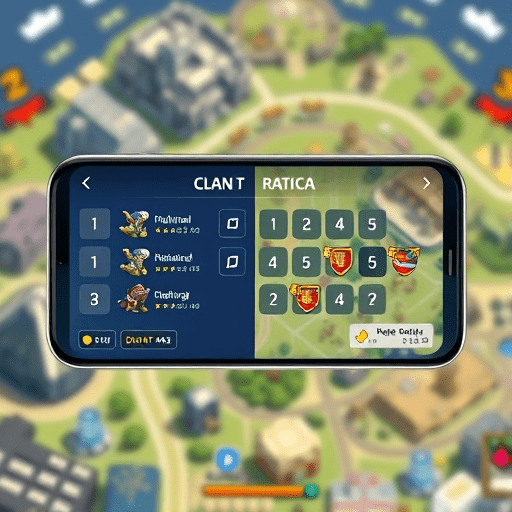
Most games implementing this system start with a simple proposal. At the end of each season, the studio presents a list of three to five economic changes — such as the price of a crafting material, the drop rate of a rare resource, or the payout of a high-risk mission. Clans get a limited number of votes based on their size, activity, or in-game achievements. The proposals with the most weighted votes become the next season’s patch notes.
How the Voting System Works in Practice
Imagine a game where the mid-tier ore is hyper-inflated because a powerful alliance farms it 24/7. The studio could simply nerf the drop rate, but that would hurt casual players too. So instead, they put three options on the ballot: lower the ore’s drop rate by 10%, decrease its buy-from-vendor price, or add a new sink that consumes it in bulk. Clans debate, lobby each other, and finally cast their vote. The winner is implemented for the next 90 days.
What is clever is that the vote itself generates data. Developers watch which clans push for which outcomes, and they learn about the underlying economy in ways spreadsheets never showed. A clan that votes for a price cut might be revealing that their members are struggling. A clan that votes for a sink might be looking to consolidate control. That meta-player behavior becomes a new layer of design material.
What the Patch Does After the Vote
Once the votes are counted, the patch is not just a dry number tweak. The most innovative 2026 titles turn the implementation into a narrative event. The seasonal patch is delivered as a “clan decree” or a “summit resolution,” and the players see exactly which clan tipped the balance. That transparency creates a sense of cause and effect that typical patch notes lack.
Some games even allow the winning clan to name the patch or write a short in-game announcement. This is brilliant for engagement because it turns a balance change into a prestige moment. The losing clans are not just complaining about a nerf; they are plotting revenge for the next season. That emotional investment is exactly what live-service developers dream about.
The Risks and Guardrails of Crowdsourced Balancing
Let’s be honest: giving players the vote can go disastrously wrong. Self-interest is a powerful force. A large clan could vote to buff a resource they monopolize, or a coalition could suppress new-player income to defend their elite status. That is why every serious implementation of player-driven economy patches comes with guardrails.
The first guardrail is scope. The studio chooses the menu of options, and all options are pre-tested to avoid breaking the game. Players are not proposing wholesale reworks; they are choosing among curated alternatives. The second guardrail is a weighted voting system. Newer players might have one vote, while a max-level clan has several — but no single group can dominate if the system is designed well. The third guardrail is a “design veto.” If the winning option would cause a critical bug or a negative player experience, the studio can pause it and run a second vote. This veto power is rarely used, but its existence reassures investors and stakeholders that the game is not being run by mob rule.
Even with guardrails, there is a learning curve. In the first few seasons of these systems, some games saw votes that were economically foolish but sociologically fascinating. One title accidentally let players vote to remove a common resource sink, causing a massive hoarding boom and then a sudden crash. Rather than rolling back the patch, the studio embraced it as a historical event, even adding a museum exhibit about “The Great Overflow Season.” That story illustrates the second value of player-driven patches: they generate rich shared memories.
Why This Trend Is Here to Stay
The shift toward player-driven economy patches is not a gimmick. It is a direct response to the saturation of the mobile live-service genre. In 2026, there are hundreds of ongoing titles competing for the same players. The gameplay loop matters, but so does the feeling of ownership. When a clan’s vote changes the price of a healing potion for an entire server, that clan leader will tell everyone. The game becomes a talking point, a democracy simulator, and a soap opera all in one.
Developers also benefit from a lower moderation burden. Instead of reading thousands of balance complaints on forums, they can point to the voting system. The community becomes partially responsible for its own pain, which shifts the adversarial dynamic into something more collaborative. It is still far from perfect, but it is a massive upgrade from the old “shut up and grind” era.
- Social cohesion: Clans that vote together stay together, increasing player retention and guild activity.
- Fresh meta every season: Player-voted patches prevent stagnation and give content creators endless debate material.
- Better feedback loop: The vote results serves as real-time economic data that developers can use for future design.
Of course, not every mobile game should adopt this system. Small games with tiny player bases lack the quorum needed for fair elections. Hyper-competitive games where balance is sacred might find too much player interference harmful. But for the broad middle tier of successful live-service titles, clan voting is a natural evolution of the social gameplay that already exists.
The Politics of Play
What excites me most is how this trend is teaching players to think like game economists. When a clan debates the tax rate on a trading post, they are engaging with supply, demand, and utility functions. They are not just playing a game; they are playing a political simulation wrapped in a fantasy world. That cognitive depth is rare in mobile monetization, and it is a powerful reason why player-driven economy patches will continue to evolve beyond simple votes.
Future iterations could include voting on rules, trading taxes, or even the types of new items introduced. Some games are already experimenting with proxy voting, where a clan elects a representative to debate on voice channels. The line between game content and real-world civic behavior is blurring, and that is a fascinating development for anyone interested in interactive media.
In the end, letting clans vote on balance changes every season is not about doing exactly what players want. It is about trusting players to participate in a conversation about fairness. The best 2026 mobile live-service games understand that a patch note is a peace treaty, and peace treaties are better when both sides sign them.
The old model of hidden developer decisions is fading. In its place, we are getting seasonal town halls, factional lobbying, and the occasional glorious disaster of a player-chosen economy. It is messy, loud, and unpredictable — and for millions of mobile players, that feels a lot more like the future of gaming.