Server drift is the silent killer of infrastructure reliability. One engineer SSHes into a box, tweaks a file, restarts a service, and the configuration no longer matches the codebase. The next deployment works, but only because no one looks too closely. By the time the drift actually breaks production, the culprit is impossible to trace without a time machine. The old answer was to manually SSH in and fix the obvious issue—but in 2026, that approach is an operational liability. The better answer sits at the intersection of two familiar tools: Terraform vs Ansible for server drift is not a boxing match; it’s a partnership. Use Terraform refresh to see the infrastructure you actually have, and Ansible facts to see the configuration that is actually running. Together, they can detect and reconcile drift before it breaks prod—and help you stop manual SSH fixes for good.
The Drift Problem Isn’t About Config—It’s About Trust
When a server drifts, the symptom is obvious: a package version is off, a firewall rule is missing, a file has the wrong permissions. The underlying problem is deeper. Your infrastructure has become a set of undocumented exceptions. The codebase says one thing, the live environment says another, and the team’s mental model is now a collage of half-remembered hotfixes.
Manual SSH fixes are the worst possible response because they treat the symptom while reinforcing the bad pattern. Every time you type ssh user@host and change something by hand, you are creating a new source of truth. The actual configuration state becomes whatever the last engineer left behind. And the next person who runs terraform plan or an Ansible playbook will see a sea of unexpected differences—not because the code is wrong, but because reality has drifted from the managed state.
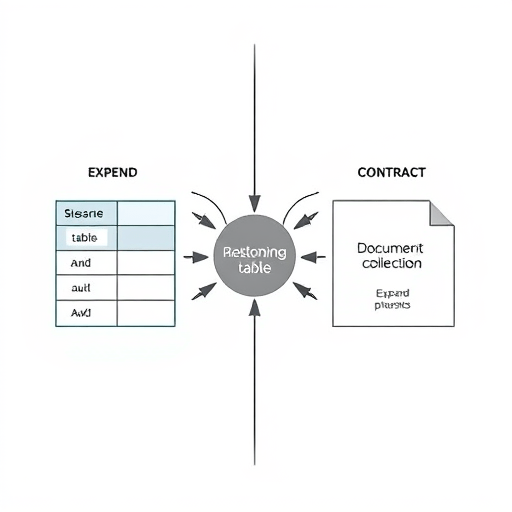
The alternative is to build a drift detection loop that constantly compares three layers: the declared state in code, the structural state known to your Terraform state file, and the live runtime state visible to Ansible via facts. When those three diverge, you get a clear signal—not a panicked pager alert at 3 a.m., but a scheduled, structured report that tells you exactly what needs attention.
Terraform Refresh: Seeing What Actually Exists
Terraform is often described as an infrastructure provisioning tool, but its real power lies in its state file. That state file is your best guess at what was created. The problem is that guess can become stale. Someone deletes a resource through the console, a cloud provider changes an ID, or an autoscaler spins up a new instance without going through your pipeline. Your Terraform state no longer matches the live cloud account.
The terraform refresh command exists to update the state file with the real-world state of your resources. In modern Terraform, the more precise approach is terraform apply -refresh-only, which safely updates state without applying any changes. This is the first step in any serious drift detection workflow: you need to know which resources still exist, what their actual attributes are, and where they differ from the configuration you have committed.
But refresh has a limitation. It sees the infrastructure through the cloud provider’s API. It knows that an EC2 instance exists, what instance type it has, and which security groups are attached. It doesn’t know what’s running inside that instance. It can’t tell you that someone installed a newer version of Nginx, that a cron job was added, or that the SSH port has been changed. For that, you need Ansible facts.
Ansible Facts: The Server’s True State
Ansible facts are the runtime metadata collected from each managed host. When you run a playbook with setup or simply rely on the implicit fact gathering, you get a detailed view of the operating system, network interfaces, mounted filesystems, package list, environment variables, and much more. This is not the same as Terraform’s view of the infrastructure—it’s the view from inside the machine.
Facts are invaluable for detecting drift because they reveal the configuration that actually matters to the running application. A Terraform refresh can confirm the instance exists. Only an Ansible fact-gathering task can tell you that the file /etc/nginx/nginx.conf was modified two hours ago, or that the installed version of PostgreSQL is not the one specified in your roles.
The trick is not to treat Ansible facts as a one-time diagnostic. Instead, run a lightweight fact collection on a schedule—every 15 minutes, hourly, or daily depending on your environment’s risk profile—and store the results in a central location. When you compare the stored facts against a baseline of expected values, you get a live drift score for every host. You also get an audit trail that shows exactly what changed and when. This is the data you need to decide whether to reconcile automatically or investigate manually—without ever opening an SSH session.
Combining Both: A Drift Detection Pipeline
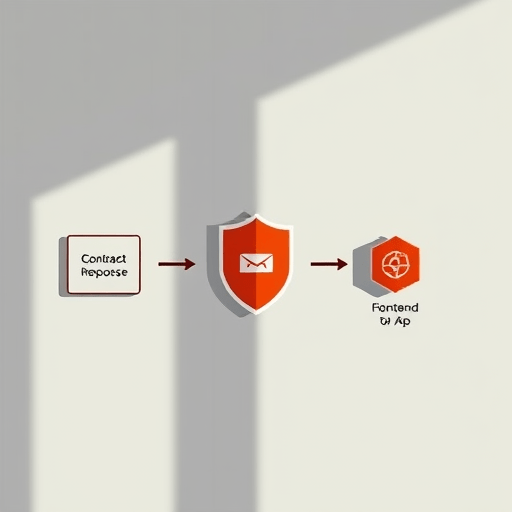
The real value of Terraform vs Ansible for server drift is not choosing one over the other. It’s building a pipeline that uses each tool for what it does best. Terraform refresh tells you about the structural layer; Ansible facts tell you about the configuration layer. Combined, they cover the full drift surface.
A practical drift detection pipeline looks like this:
- Step 1: Terraform refresh (or
terraform apply -refresh-only) to synchronize your state file with the live cloud environment. Store a snapshot of the state for comparison. - Step 2: Run Ansible ad-hoc fact collection against all managed hosts. Use a small playbook that runs
setupand writes the gathered facts to a JSON file in a central reports directory. - Step 3: Compare both outputs to your declared baseline. For Terraform, the baseline is your configuration files and previous state. For Ansible, the baseline is a set of expected fact values or a packaged role that defines the desired configuration.
- Step 4: Generate a combined drift report that groups issues by severity. A missing security group rule is structural drift. A changed SSH banner or an unexpected package update is configuration drift. Both matter, but they may require different response paths.
This pipeline turns drift detection from a desperate troubleshooting session into a routine, automated audit. You know before anyone gets paged that a host is starting to drift. And because the report includes both the Terraform-level resource data and the Ansible-level runtime facts, you can pinpoint the cause without guessing.
From Detection to Reconciliation
Detection is only half the battle. Once you know a server has drifted, you need a way to bring it back to the declared state. The natural tendency is to SSH in and manually revert the change. Resist that impulse. Instead, let your tools do the reconciliation.
For configuration drift—files, packages, services, users—Ansible is the right choice. Write idempotent roles that define the desired state, then run them as part of a remediation playbook. Because Ansible is idempotent, it only makes changes when something is out of compliance. That is the opposite of a manual SSH fix: it is repeatable, reviewable, and documented in code.
For structural drift—resources that were deleted, modified, or created outside of Terraform—use Terraform’s reconciliation workflow. After a refresh, run terraform plan to see the differences, then terraform apply to restore the intended infrastructure. The ordering matters. Run Ansible first to repair the runtime configuration, then run Terraform to fix the structural layer. Or run them in the opposite order if the structural change affects the runtime baseline. Just make sure the sequence is codified in a pipeline, not improvised.
There will be cases where automatic reconciliation is too risky. If a database schema has drifted, blindly applying your Terraform configuration might destroy data. This is where the drift report earns its keep. It separates the “safe to auto-remediate” issues from the “needs a human decision” issues. But even that human decision should happen inside a structured workflow—an approval step in your CI/CD system, a ticket with all relevant context, or a policy-as-code check—not through a direct SSH login.
A Practical Workflow for 2026
The infrastructure landscape in 2026 is full of ephemeral instances, Kubernetes nodes that come and go, and edge environments that change without notice. The old mindset of treating each server as a pet that can be manually groomed is unworkable. You need a workflow that assumes drift will happen and bakes detection and reconciliation into the platform itself.
Start by making drift detection a scheduled job. Use a dedicated runner that has access to your cloud credentials and your inventory. The job should execute the combined Terraform and Ansible pipeline described above, then publish the report to a shared channel—a Slack message, an issue tracker, or a status page. Do not wait for an incident to trigger the investigation.
Next, define your drift severity model. Low severity: package version differences that do not affect functionality. Medium severity: missing files or services that could impact uptime. High severity: security-related drift, such as open ports, changed passwords, or unauthorized users. For each severity level, have a predefined response. Low and medium drift can be reconciled automatically using Ansible playbooks and Terraform apply. High drift should trigger an alert and require human approval—but that approval can be a fast, well-documented confirmation instead of a frantic SSH session.
Finally, make the whole process visible to the entire team. When the system automatically reconciles drift, you need a log entry that says “Ansible role nginx-hardening reverted /etc/nginx/nginx.conf on host web-03 to the declared baseline.” When Terraform refreshes and finds a deleted security group, the state update should be visible in your version control history. This transparency is what turns drift management from a blame game into a mature engineering practice.
Conclusion
Server drift is inevitable, but manual SSH fixes are a choice. By combining Terraform refresh with Ansible facts, you can see both the structural and the configuration-level state of your infrastructure—and detect drift before it escalates into an outage. The pipeline is not complex: refresh Terraform state, collect Ansible facts, compare to baseline, and reconcile with the appropriate tool. In 2026, that is how teams keep production honest. No more guessing, no more undocumented hotfixes, and no more midnight SSH sessions.