In every thriving gaming community, there is an unseen workforce holding the social fabric together. Volunteer moderators, often unpaid and frequently invisible, manage millions of player interactions, defuse conflicts, and enforce norms that keep multiplayer spaces safe. As online gaming platforms expand into immersive metaverse worlds and cross-platform experiences in 2026, the load on these quiet architects has never only grown. Understanding how they are retained, protected, and supported is now one of the most pressing questions in the gaming industry.
Who Really Keeps the Server Alive
The average player rarely thinks about the volunteer moderator until something goes wrong. Yet according to community-run surveys and platform disclosures, volunteer moderators handle the majority of frontline content moderation on forums, Discord servers, and in-game chat systems. Their work spans approving appeals, removing toxic content, welcoming new players, writing guidelines, and bridging cultural gaps between regions. Without them, online games quickly descend into chaos.
These moderators are rarely professional staff. Many are longtime fans who volunteered during college, during a career break, or after retirement. Some started as community members and rose through the ranks because they cared deeply about the space they played in. Others were recruited by developers after showing consistent, positive influence on fan-run wikis or Discord channels.
What unites them is a strong sense of ownership. Yet that very dedication is what makes them vulnerable when abuse scales faster than their capacity to respond.
The 2026 Reality: Harassment Has Gotten Smarter
Moderation in 2026 looks nothing like it did five years ago. Harassment tactics have evolved. Bad actors now use coordinated brigading, AI-generated slurs, deepfake voice raids, and procedural harassment, where a single user files hundreds of fake reports to overwhelm a small team. Cross-game targeting has also intensified: players banned from one title will seek out moderators on another, sometimes with personal information attached.
For volunteer teams, the emotional toll is severe. Many moderators report receiving death threats, doxxing attempts, and sustained harassment campaigns simply for enforcing rules. A senior moderator on a popular MOBA forum described it this way in a community panel: “The job has not changed, but the threats have. We are now frontline responders in a digital conflict zone, often without training.”
Why Volunteer Moderators Stay Anyway
Despite the strain, retention rates among long-term volunteer moderators are surprisingly high when communities are structured well. Several themes emerge from interviews with team leads across genres.
Meaningful Recognition Without Pay
Money alone is not what keeps moderators engaged. Recognition, however, is essential. Communities with visible moderator profiles, public thank-you posts, and named contributions in patch notes or lore credits see higher retention than those who treat moderation as invisible labor. Even small gestures, such as a developer’s handwritten note or early access to a cosmetic item, create lasting goodwill.
Clear Authority and Backing From Leadership
Moderators leave when developers ignore their reports or override them without explanation. They stay when leadership treats moderation as core infrastructure, not a side task. Communities where developers publicly defend moderator decisions, even controversial ones, report fewer resignations and healthier team dynamics.
Defined Limits and Scheduled Rest
The most successful volunteer programs in 2026 now mandate time-off policies. A growing number of communities follow a “two weeks on, one week off” rotation, ensuring moderators can disengage without guilt. Others use shared calendars and mandatory cooldown periods after particularly intense moderation events, such as major patches or competitive finals.
The Hidden Tech Stack Supporting Volunteer Teams
Modern moderation is no longer just about enforcing chat rules. Volunteer moderators in 2026 rely on layered tools to manage scale.
- AI-assisted triage: Machine learning flags potential violations for human review rather than auto-punishing, reducing moderator decision fatigue.
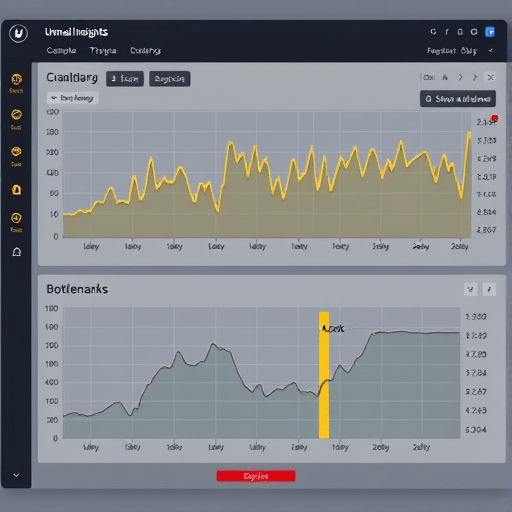
- Transparency dashboards: Public-facing metrics allow communities to track trends in harassment and rule-breaking behavior.
- Peer review systems: Decisions on borderline cases are reviewed by a second moderator, reducing both bias and emotional burden.
- Wellness tools: Some platforms now offer integrated resources for moderators, including break reminders and confidential support channels.
The most important shift, however, is not technological but cultural. Communities are beginning to treat moderator burnout as a structural problem, not a personal failing.
Lessons Studios Can Learn From Volunteer-Led Communities
Game studios often run professional trust and safety teams in parallel with volunteer moderators. Yet many still treat the two as separate worlds. The most successful integrated programs in 2026 are borrowing lessons from volunteer communities themselves.
One major live-service shooter, for example, adopted a community-written code of conduct as the foundation for its official moderation policy. Another studio created a paid fellowship for long-serving volunteer moderators, allowing them to transition into professional roles without losing institutional knowledge. These moves have measurably improved both player sentiment and retention of moderators.
A Day in the Life: What It Takes to Stay
To understand retention, it helps to walk through a single shift. Imagine a moderator for a large RPG community entering their dashboard at 8 a.m. They triage overnight reports, review flagged messages, check appeals from banned users, coordinate with their team across time zones, and respond to escalating situations in real-time chat. By midday, they may have read dozens of hostile messages and made calls that affected players’ experiences, all while managing a full-time job, studies, or family responsibilities.
What keeps them going is rarely gamified rewards. Instead, it is the relationships within their team, the trust of their community, and the belief that their work shapes the culture of a space they love. When those elements break down, burnout follows quickly.
The Path Forward for 2026 and Beyond
The future of online gaming depends on whether developers invest in the human infrastructure behind their platforms. Volunteer moderators have always been essential, but the expectations placed on them have grown beyond what any individual can sustain alone. Retention strategies must move beyond perks and address root causes: safety, structure, support, and shared authority.
Communities that succeed in this area will not only reduce churn among moderators but also build stronger cultures that attract players who want to stay. Those that ignore the strain will watch their volunteer teams quietly disappear, taking with them the institutional memory and care that made their spaces worth joining in the first place.
Conclusion
Volunteer moderators are the quiet architects of online gaming culture. They sustain spaces that millions consider second homes, often without compensation, training, or protection. As harassment tactics evolve and communities scale, the responsibility to support them falls on developers, players, and platforms alike. The most meaningful progress in 2026 will come from treating moderation not as a volunteer hobby but as essential labor deserving of recognition, resources, and respect. The future depends on whether the industry chooses to build with them, not around them.