Every thriving online community, from niche Discord servers to sprawling Reddit subreddits, rests on the shoulders of volunteer moderators who donate their time, patience, and emotional energy. Yet in 2026, the conversation about moderator burnout has moved from whispered concern to urgent industry issue. As platforms scale AI features, brands push aggressive engagement metrics, and users demand faster responses, the humans policing the room are quietly walking away. This playbook breaks down why volunteer moderators burn out and offers a practical framework for retaining the community talent you cannot afford to lose.
The Hidden Weight of “Free” Labor
Calling moderation “volunteer work” disguises the intensity of the role. A single moderator in a 50,000-member forum may review hundreds of posts a day, mediate disputes, enforce evolving rule sets, and absorb the anger of users who feel wronged. None of this shows up on a paycheck, yet it carries the same psychological toll as paid customer support, with none of the legal protections.
Compounding the problem, moderation is rarely a single task. It is content review, conflict resolution, cultural curation, policy interpretation, and crisis response rolled into one. When volunteers describe feeling drained, they are usually describing a role that has quietly tripled in scope without a corresponding increase in training, tools, or recognition.
Why 2026 Is Different: New Pressures on Long-Time Mods
Three forces have collided to make moderator burnout worse this year.
1. The Generative Content Flood
AI-generated text, images, and now short-form video have made spam, scams, and low-quality posts far harder to detect. Moderators who once spotted a phishing link by gut feel now face synthetic content that mimics authentic voices. The cognitive load of verifying every post has become a full-time mental marathon.
2. Platform Algorithm Shifts
Recent platform updates have prioritized engagement and reach over community health. This means controversial threads surface faster, brigades arrive quicker, and moderators spend more time firefighting. Volunteer teams have reported a 40 percent increase in moderation queue volume since 2024, with no additional tooling handed down.
3. Generational Turnover
Many founding moderators who built communities in the early 2020s are entering new life stages: careers, parenthood, caregiving. They are stepping back, and the next generation of volunteers is not stepping up at the same rate because the role has become visibly harder.
Symptoms of Moderator Burnout You Should Not Ignore
Burnout rarely arrives as a single dramatic moment. It builds quietly. Watch for these signals in your team:
- Slower response times across the moderation queue, especially during evenings and weekends
- Lower emotional engagement, with replies becoming curt or impersonal
- Increased conflict between moderators, often over minor rule interpretation differences
- Drop in proactive community building, such as fewer events, AMAs, or welcome threads
- Public resignation posts that mention exhaustion, lack of support, or feeling unappreciated
If two or more of these symptoms appear consistently across a team, burnout is no longer a risk; it is already happening.
A Playbook for Retaining Community Talent
Retention does not require a corporate HR department. It requires intention. The following framework has been tested across forums, Discord servers, and creator communities in 2025 and 2026.
Step 1: Define the Role and Its Boundaries
Write a one-page moderator charter that clearly states:
- Expected weekly time commitment (e.g., 3 hours)
- Scope of authority, including what moderators can and cannot decide alone
- Escalation paths for threats, legal issues, and mental health concerns
- What the community owes moderators in return (training, tools, recognition)
Ambiguity is the enemy of retention. When volunteers know exactly what is expected, they can pace themselves.
Step 2: Provide Real Tools, Not Just Admin Access
Admin powers are not tools. Tools include:
- Macro libraries for common responses to rule violations
- AI-assisted triage that flags suspicious content for human review rather than expecting humans to do the filtering alone
- Anonymous reporting channels for sensitive issues that moderators witness inside the team
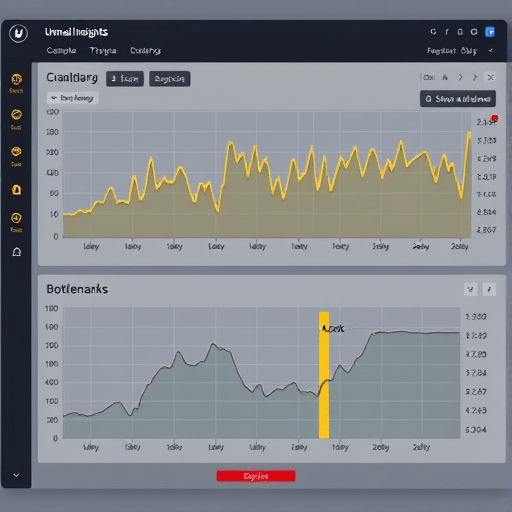
- Analytics dashboards showing queue volume, response times, and personal workload trends
The goal is to reduce the cognitive load of routine work so volunteers can focus on the human judgment that only they can provide.
Step 3: Pay Something, Even If It Is Small
The phrase “volunteer” does not have to mean “uncompensated.” Sustainable communities in 2026 are experimenting with:
- Monthly stipends for lead moderators, even if modest (e.g., $50 to $150)
- Annual gear budgets for hardware upgrades or home office supplies
- Paid time off for long-tenured mods, such as a one-month sabbatical every two years
- Skill-based perks like conference tickets, online course access, or professional coaching
Compensation signals that the work matters. Even a small gesture reframes the relationship from extraction to partnership.
Step 4: Build a Peer Support Layer
Isolation accelerates burnout. Create structures that prevent moderators from working alone:
- Weekly mod-only voice or text check-ins that are not agenda-driven
- Buddy systems pairing experienced mods with newer ones
- Private channels for venting, debriefing after difficult incidents, and sharing wins
- A rotating “on call” schedule so no single person feels perpetually responsible
Peer support turns moderation from a lonely vigil into a shared practice.
Step 5: Recognize and Rotate
Retention is not just about preventing exit; it is about renewing motivation. Recognize contributions publicly through:
- Monthly highlights of moderation wins (handled well, not just handled fast)
- Milestone acknowledgments at six months, one year, and three years
- Anonymous user feedback that moderators never see otherwise
Equally important, allow graceful exits and rotations. A moderator who steps down from active duty but stays as an advisor preserves institutional knowledge and signals that leaving is not failure.
What Community Owners Often Get Wrong
Even well-intentioned founders fall into predictable traps:
- Treating moderators as customer service, not leadership. Mods shape culture, not just compliance.
- Promoting the loudest voices into leadership. Visibility is not the same as judgment.
- Avoiding hard conversations about workload. Silence reads as indifference.
- Blaming AI for taking over. AI is a tool, not a substitute for human moderation. Trust erodes when leaders overpromise automation.
Avoiding these mistakes requires seeing moderators as long-term collaborators rather than temporary labor.
Measuring Health Beyond Activity
Stop measuring your moderation team only by posts removed or tickets closed. Track instead:
- Average tenure of moderators, tracked quarterly
- Self-reported wellbeing scores, gathered anonymously
- Ratio of proactive community work to reactive moderation
- Time-to-first-response across a rolling 30-day window, not a single day
These metrics tell you whether your community has the human capacity to grow, or whether it is quietly running on fumes.
Conclusion
Volunteer moderators are the infrastructure of the open web, and they are burning out faster than they are being replaced. The communities that will thrive in the second half of the decade are not those with the largest teams or the most aggressive enforcement. They are the ones that treat moderation as a craft worth investing in, with clear roles, real tools, fair compensation, peer support, and honest recognition. Retaining community talent is not a cost; it is the foundation of every healthy space online.