Your server’s text channels might look polite, but if you have ever sat in a gaming voice chat listening to teammates exchange veiled insults disguised as “jokes,” you already know the problem. Secret toxicity in voice chats often goes completely unmoderated. The practical fix is using transcription bots to catch passive-aggressive language that text mods miss because they simply never see it.
Discord moderation teams have become strong at automating text chat, but voice channels remain largely invisible. A growing number of competitive guilds and casual community servers are now turning to transcription bots that bring voice chatter back into the realm of reviewable, searchable, and actionable data.
Why Voice Chat Is a Moderation Blind Spot
Text moderation tools work because they can scan everything. Voice chat is ephemeral by nature. Unless you are manually recording every channel, there is no log of what was said, no timestamp, and no searchable record for the mod team to investigate after the fact.
Most servers rely on the honor system: if someone feels hurt by a voice comment, they can file a report. But passive-aggressive toxicity rarely gets reported. The victim may be unsure whether they are being too sensitive, or they fear retaliation from a popular clique member. The offending player, meanwhile, can deny everything because there is no written record. When text mods attempt to step in, they are effectively working blind.
What Passive-Aggressive Toxicity Sounds Like in Voice Chat
Passive-aggressive behavior in voice chats is harder to spot than open flaming. It hides inside tone, timing, and sneaky word choices. A transcription bot catches the lexical core of what was actually said:
- Backhanded praise: “It’s cute you queued into ranked with that build.”
- Preemptive blame: “Not saying it’s your fault, but…” right before a team fight.
- Undermining questions: “Are you sure you should be playing support?”
- Strategic apologies: “I’m sorry, I didn’t realize you were going to get upset over a little constructive criticism.”
- Exclusionary language: Directing every comment to everyone in the channel except one specific player.
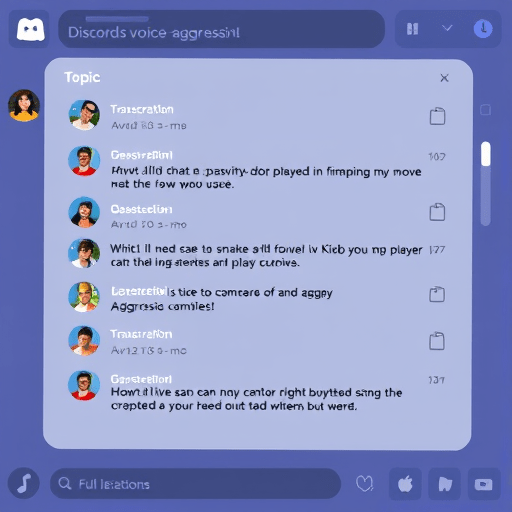
Reading these lines in plain text makes the intent painfully obvious. In real time, however, they arrive with background noise, subtle vocal stress, and a false sincerity that makes victims doubt their own perception. Transcription strips away the performance and reveals the words for what they are.
How Transcription Bots Catch What Text Mods Miss
Modern transcription bots are not crude speech-to-text drips. They run on lightweight ASR models that convert audio to text locally or in the cloud, then pass the result through phrase detection and sentiment analysis. The outcome is a clean log that distinguishes between a genuine “nice try” after a game-winning clutch and the bitter whisper of “nice try” after a rookie mistake.
Real-Time Monitoring vs. Post-Session Logs
Some moderation teams prefer real-time transcriptions they can watch live. Others prefer post-session processing, which gives the bot time to build a complete picture of an evening’s audio. The most effective approach is to run both: real-time flags help with immediate intervention, while post-session logs become the evidence lane that captures full context, including who spoke and when.
Context Scoring and Intent Detection
The real leap forward lies in intent detection. The newest bots do not just search for banned words; they parse sentence structure to understand what a phrase is doing in context. For example, a transcription bot can flag a sequence where one speaker interrupts another multiple times, or where a passive-aggressive phrase is followed by a strained pause and forced laughter. Those micro-patterns, once audible only to human ears, now show up as probability scores in a moderation dashboard.
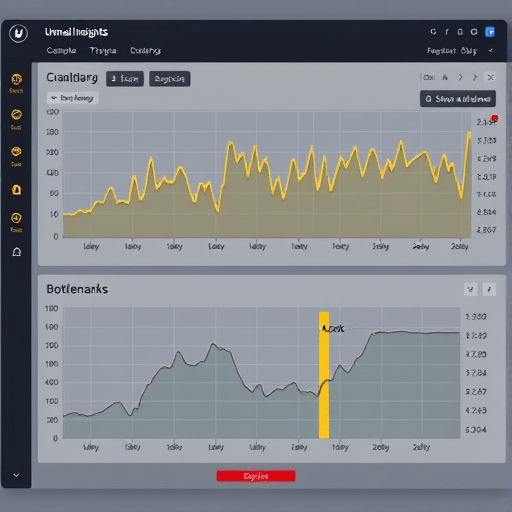
This kind of insight is invaluable when paired with a review dashboard. Mods can see a timeline of flagged moments rather than listening to hours of audio looking for one bad interaction.
Choosing a Transcription Bot for Your Discord Server
Not every bot is built for this job. When evaluating options for your community, look for these features:
- Local processing mode: Privacy-conscious servers should prefer bots that can transcribe without sending raw audio to an external server.
- Language support: Gaming communities are global; make sure the bot handles the languages actually spoken in your voice channels.
- Automated flagging rules: Customizable thresholds for sentiment scores, keyword frequency, and interruption counts.
- Searchable transcript retention: A log with timestamps, speaker attribution, and channel origin is essential.
- Discord-native integration: Slash commands, role-based access, and a dedicated logging channel for moderation alerts.
If you are running a large community, demand a dashboard with a timeline view. A cluster of transcript snippets from the exact moment of a conflict tells a story that no single screenshot ever could.
Practical Setup Tips for Reliable Audio Moderation
Transcription is only as good as the audio it receives. Use these tips to get usable results:
- Limit bot access: Give the transcription bot access only to high-risk channels. This reduces noise and improves accuracy.
- Encourage push-to-talk: Open microphones add background noise that wrecks transcription confidence. Make push-to-talk the norm.
- Run multiple instances: On large servers, allocate a separate bot instance per voice region to avoid latency and backlog.
- Define retention periods: Keep transcripts for a fixed window, such as 30 days, to catch slow-burn patterns without committing to permanent recording.
It takes a few weeks to build a useful baseline. Once you have enough transcripts, your mod team can learn to recognize the recurring linguistic fingerprints of the server’s passive-aggressive cliques.
Privacy and Consent Considerations
Transcribing voice chat without informing members is a policy mistake waiting to happen. Update your server rules and pinned messages before deploying bots: state clearly when transcription is active, which channels are recorded, and who has access to the logs. If the service processes audio in the cloud, mention that in your privacy section as well.
Transparency serves your moderation goals, too. When members know that voice chats leave a written record, most of them change their behavior. Those who continue making backhanded, sarcastic comments reveal themselves quickly.
Turning Transcripts Into Moderation Actions
When a transcript reveals a pattern of passive-aggressive toxicity, the best response is often a quiet intervention rather than a public warning. Send the flagged player a direct message containing two or three transcript snippets from different dates and ask them to explain the repeating phrasing. This method is far more effective than calling someone out in front of the guild, because the evidence is objective and timestamped.
For repeat offenders, transcripts provide the necessary paper trail to escalate bans to server admins or Discord Trust & Safety. A mute alone does not change a culture; an evidence-backed conversation can.
Conclusion
Secret toxicity in gaming Discord voice chats damages retention, shuts down communication, and erodes team performance. Transcription bots are the most practical tool a moderation team can deploy to close the gap between what appears in text channels and what really happens in audio conversations. By turning ephemeral vocal digs into searchable, reviewable, flaggable text, you give your mod team the one thing they have never had: a complete record of the truth.