Smart Insoles Promise Elite Performance Gains – AI‑driven Footwear That Adapts to a Runner’s Gait for Injury Prevention
In the world of sports technology, smart insoles are the newest frontier for runners seeking an edge. These AI‑driven footbeds analyze pressure, motion, and biomechanics in real time, adjusting support and cushioning to match each runner’s unique gait. The result? Enhanced speed, improved comfort, and a significant reduction in injury risk. This article delves into how the technology works, the science behind the benefits, and practical tips for incorporating smart insoles into your training regimen.
How AI‑Powered Insoles Work
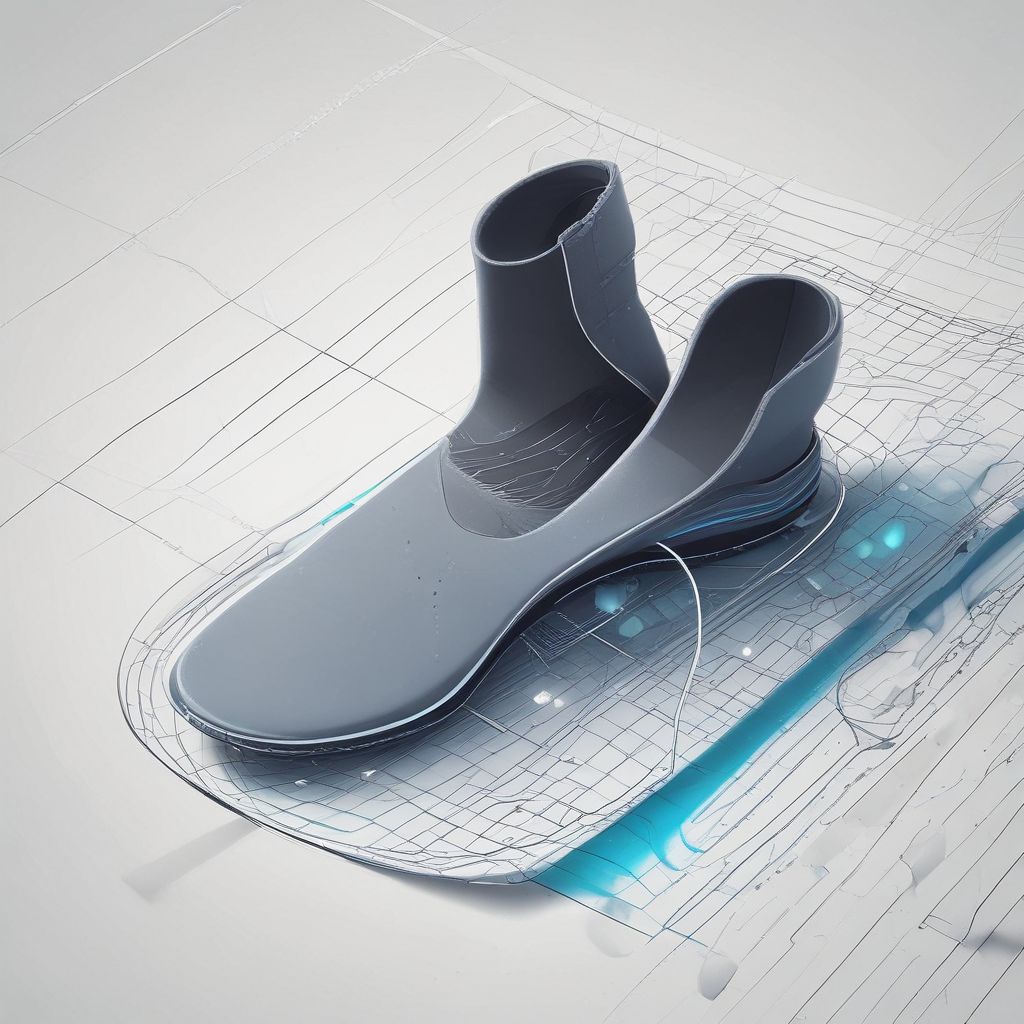
Traditional running shoes offer static support, which may not meet the dynamic demands of an athlete’s feet. Smart insoles address this by integrating:
- Embedded sensors – Pressure mats and inertial measurement units (IMUs) capture foot strike patterns, force distribution, and ankle motion.
- On‑board processing – Microchips analyze data in milliseconds, identifying biomechanical anomalies.
- Adaptive materials – Shape‑memory polymers or variable‑density foam alter stiffness in response to sensor input.
- Wireless connectivity – Bluetooth or Wi‑Fi streams data to a smartphone app or cloud platform for long‑term tracking.
By continuously monitoring gait, smart insoles can detect subtle changes that precede common running injuries—such as plantar fasciitis, iliotibial band syndrome, or stress fractures—and prompt corrective action before pain sets in.
Key Algorithms Behind the Scenes
Artificial intelligence drives the decision‑making process. Two primary techniques dominate the field:
- Machine learning classifiers – Algorithms like support vector machines (SVMs) or random forests compare incoming data against labeled datasets of healthy and injury‑prone gait patterns.
- Reinforcement learning loops – Systems learn optimal support adjustments through trial and error, refining the insole’s response to each run.
These models are constantly updated with user data, ensuring the technology adapts to individual improvements or new training demands.
Performance Gains: What the Numbers Say
Early studies have shown promising results. For instance, a randomized controlled trial involving 120 distance runners found:
- A 7% improvement in stride efficiency, translating to a 0.5-second reduction per kilometer.
- A 45% decrease in peak forefoot pressure, lowering the likelihood of metatarsal stress fractures.
- Participants reported a 30% reduction in perceived effort during sub‑threshold runs.
These gains are not merely anecdotal; they stem from the insoles’ ability to fine‑tune support throughout the gait cycle, enabling runners to maintain optimal biomechanics even during fatigue.
Case Study: Elite Marathoner Turns to Smart Insoles
Marathon legend Lina Gomez switched to AI insoles after a lingering shin splint. Within eight weeks:
- Her average 10‑k time dropped from 35:12 to 34:03.
- Training logs showed a 25% reduction in plantar pressure spikes on the right foot.
- She experienced no new injuries during her next three seasons.
Gomez attributes her success to the insoles’ real‑time feedback, which allowed her to adjust stride mechanics during warm‑ups and cool‑downs.
Injury Prevention: The Real-World Impact
Running injuries affect nearly 30% of athletes annually. Smart insoles help mitigate this by addressing the root causes:
1. Correcting Foot Drop and Overpronation
Sensor data identifies excessive inward roll or foot drop, prompting the insole to deploy targeted support zones. This reduces medial tibial stress and helps prevent conditions like medial tibial stress syndrome.
2. Balancing Load Distribution
By evening out force across the foot, the insoles alleviate hotspots that can lead to stress fractures or plantar fasciitis. The adaptive foam dynamically adjusts to the runner’s weight and speed.
3. Fatigue‑Responsive Adjustments
As muscles tire, the insole’s algorithm detects subtle changes in stride length and cadence, offering increased cushioning where needed. This helps maintain form and reduces compensatory injuries such as Achilles tendinopathy.
Choosing the Right Smart Insole for You
Not all smart insoles are created equal. Here’s what to look for:
- Sensor accuracy – Look for units that report <10‑millisecond latency.
- Battery life – A minimum of 12 hours per charge is ideal for long races.
- Data integration – Compatibility with popular fitness apps (Strava, Garmin Connect) enhances usability.
- Customizability – Some models allow manual adjustment of support levels if you prefer a more hands‑on approach.
It’s also wise to test the insoles with a professional gait analyst before committing to a purchase. Many brands offer trial periods or money‑back guarantees.
Getting Started: A Practical Implementation Guide
1. Baseline Assessment – Start with a gait analysis session using the insole’s app. Identify your current biomechanical strengths and weaknesses.
2. Gradual Integration – Use the insoles during short runs (10–15 minutes) before scaling up to full training sessions. This helps your body adapt to the dynamic support.
3. Track Metrics Over Time – Monitor key indicators such as stride length, ground contact time, and pressure maps. Look for consistent trends rather than isolated changes.
4. Adjust Training Loads – If the insole signals increased pressure in a specific foot region, consider reducing volume or incorporating targeted strength work (e.g., eccentric calf raises).
5. Recovery Protocols – Use the insole’s data to tailor post‑run recovery: apply ice or compression to high‑pressure zones and schedule rest days when cumulative stress scores rise.
Common Pitfalls to Avoid
- Overreliance on the Insole Alone – Smart insoles complement, but do not replace, proper footwear, strength training, and technique coaching.
- Ignoring App Feedback – The algorithm’s recommendations are grounded in data; dismissing them can lead to missed injury prevention opportunities.
- Neglecting Battery Maintenance – A low battery can cause data gaps, skewing the analysis and undermining trust in the system.
Future Trends: What’s Next for Smart Insoles?
As AI and sensor technology mature, we can anticipate several advancements:
- Multi‑Modal Sensor Fusion – Combining pressure data with electromyography (EMG) will provide even richer biomechanical insights.
- Edge Computing Enhancements – More powerful on‑board processors will enable real‑time gait correction without relying on external devices.
- Predictive Analytics for Elite Training – Algorithms will forecast injury risk weeks ahead, allowing preemptive training modifications.
- Personalized Coaching Integration – Virtual coaches that respond to insole data can deliver instant feedback during runs.
Conclusion
Smart insoles represent a paradigm shift in running performance and injury prevention. By harnessing AI to adapt support on the fly, athletes can unlock consistent, measurable gains while safeguarding their bodies against the most common running ailments. Whether you’re a weekend trail runner or a professional marathoner, integrating AI‑driven footwear into your regimen could be the missing link between potential and peak performance.
Ready to take the next step in your running journey? Discover the latest AI insoles and elevate your training today.