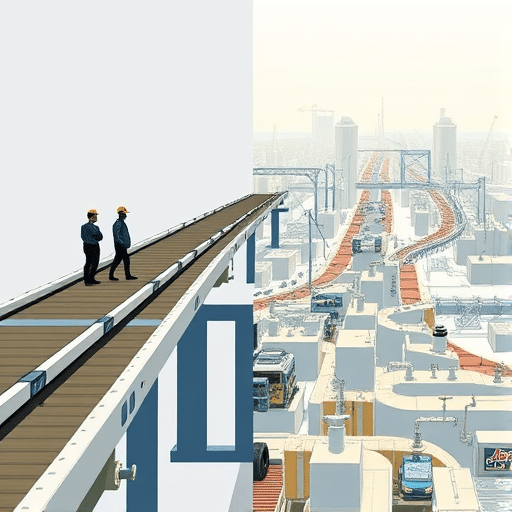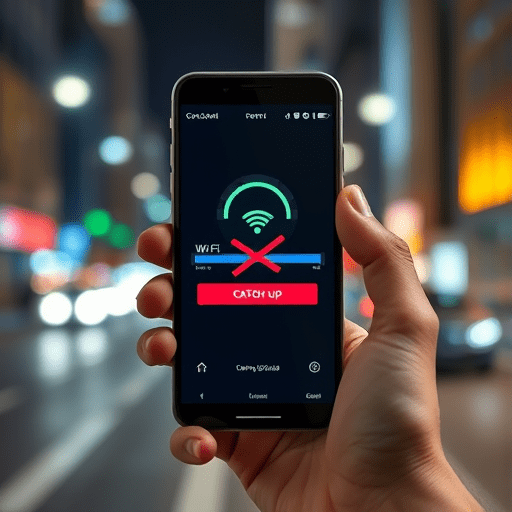
It’s 2am in a bustling suburb of Jakarta. A player opens your mobile game, but the network is patchy — the event banner fails to load, the daily quest timer resets mid-task, and what should have been a fun 10-minute session turns into a frustrating battle with a spinning loading icon. If you’ve ever watched analytics from emerging markets, you know this scenario all too well. Traditional live-ops assume a persistent connection, but the reality for millions of players is offline, intermittent, and unpredictable. That’s where offline live-ops design becomes the retention secret for 2026: building event windows and catch-up mechanics that respect limited connectivity without punishing the player. This isn’t about sacrificing your live-ops strategy — it’s about re-architecting it for the real world of low-connectivity players.
Why Traditional Live-Ops Collapse When the Signal Drops
Most live-ops frameworks depend on real-time server calls, time-sensitive timers, and continuous sessions. Daily login streaks, hourly limited offers, and synchronized boss battles all assume players can connect at precise moments. When that assumption breaks — as it does for many users in regions with unstable data plans or urban congestion — the game becomes a source of anxiety, not entertainment. Players lose progress, miss rewards, and feel the game is unfair. In emerging markets, where data costs are high and connectivity is often rationed, this is a death sentence for retention.
The core problem is that traditional live-ops measure engagement through *active sessions*. Offline-first players have a different pattern: they launch the game when they can, often in short bursts, then disappear for hours or even days. If your event window is a 24-hour timed mission that requires five consecutive check-ins, you’re effectively excluding a large portion of your user base. The result isn’t just lower retention — it’s a negative feedback loop where low-connectivity players churn and never come back.
To solve this, you need to shift your mental model from real-time participation to outcome-based participation. The player’s goal isn’t to be online at the right time; it’s to achieve a satisfying result when they do connect. That requires redesigning two core elements: event windows and catch-up mechanics.
Designing Event Windows That Respect Intermittent Connectivity
Event windows define when an activity is available and for how long. For low-connectivity players, a standard 24-hour daily event is too brittle. Instead, design event windows that tolerate delays, sync mismatches, and offline progress.
1. Use Longer, Overlapping Event Cycles
Replace one-day events with multi-day cycles that have overlapping start and end points. For example, instead of a single “24-hour double XP” window, run a “three-day milestone” event that awards progress based on cumulative tasks. Players can participate whenever they connect, even if it’s only once a day or once every couple of days. Make sure the event calendar is visible offline — the game client should cache event schedules and allow players to see what’s coming, so they can plan their limited connectivity time.
2. Design Event Windows with a “Grace Decay” Model
Instead of hard cutoff times, use a soft expiry system. For instance, an event window might officially end at noon, but players who started the event before that get an additional 12-hour “offline grace period” to finish their current attempt. This grace time can be based on the player’s last known connection or the time they last synced. This way, a player who started a mission offline at 11:58 can still complete it and submit their score the next morning without penalty. Grace decay prevents the frustration of losing work because an upload was delayed.
3. Cache the Entire Event Payload
Design your client to download the full event data — missions, rewards, timers, and leaderboard snapshots — during the last successful sync. This allows events to run entirely offline, using local logic and timestamps. When connectivity returns, the client reconciles with the server. This is a technical shift, but it’s the foundation for reliable offline live-ops. Players should feel that events are active even when they’re in airplane mode, as long as they synced within a reasonable buffer window.
Catch-Up Mechanics: The Missing Piece for Player Loyalty
Event windows need a companion system: catch-up mechanics. These are gameplay or reward structures that let players compensate for missed opportunities due to connectivity issues. Without catch-up mechanics, even the best event windows feel puny against a week of no signal. Catch-up systems are not just about generosity — they’re about fairness and long-term retention.
1. Compressed Rewind Tasks
One effective catch-up mechanic is a “speed run” version of a missed event. If a player missed Monday’s dragon raid, they can play a shorter, condensed version on Wednesday that awards the same core rewards but requires only a fraction of the tasks. This is different from simply extending the event globally, because it’s personalized based on the player’s absence period. The UI should clearly say: “You missed this while offline — here’s a quick way to catch up.” That transparency builds trust.
2. Offline Progress Bank
For time-based games, implement an offline progress bank. When a player is disconnected, the game continues to accumulate a small amount of passive progress — currency, XP, or crafting time — up to a cap. When they reconnect, they get a popup summarizing what they earned offline. This is classic for tamagotchi-style games, but for live-ops events, you can tie it to the event itself. For example, an offline player can accrue a portion of each event’s “participation points” even without active play, capped at 40% of the total achievable points. This prevents them from falling hopelessly behind.
3. Local Mentor NPCs for Catch-Up Guidance
Instead of a generic “catching up” screen, use a narrative device — a mentor NPC that appears only after a long disconnection. This NPC explains what was missed and offers a personalized catch-up quest chain. The chain should be skippable but rewarding, with a high value-to-effort ratio. This approach turns a negative experience (missing out) into a positive one (a guided path to catch up). It also reinforces the emotional narrative that the game is on the player’s side, not against them.
Measuring Retention with Offline-First Metrics
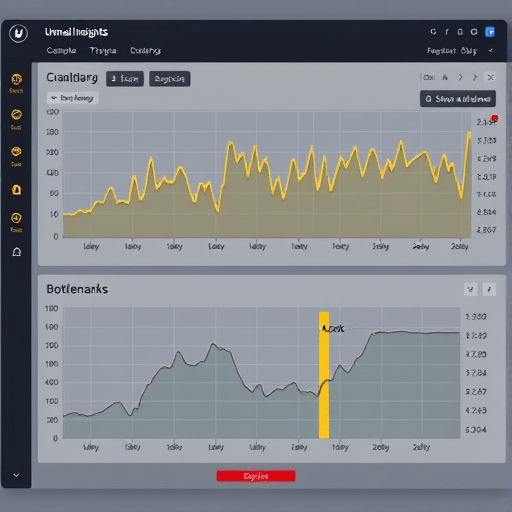
If you’re designing offline live-ops, your analytics must adapt. Traditional DAU (daily active users) metrics don’t capture the behavior of low-connectivity players. Instead, track “offline touchpoints” — sessions separated by more than 12 hours — and measure event completion rates as a function of sync frequency. Key metrics include:
- Event sync rate: the percentage of event data that successfully uploads within 24 hours of an offline action.
- Emotional completion: whether players report a sense of fulfillment after catching up, measured via simple in-game surveys.
- Re-engagement after disconnection: how quickly a player returns after a network outage, and whether they immediately check the catch-up queue.
These metrics help you refine event window lengths and catch-up caps. For example, if you see many players hitting your offline progress bank cap, consider raising the cap or making the cap event-specific rather than global.
Practical Steps for Implementing Offline Live-Ops in 2026
Let’s get concrete. Here’s a checklist for your next design sprint:
- Audit your current event timer infrastructure — identify every server-timed variable that assumes constant connectivity.
- Introduce a local timestamp system that can operate independently and reconcile later, using encryption and validation to prevent cheating.
- Define event windows as “windows of opportunity” with a validity period, not a hard wall. Use grace decay based on the player’s last sync.
- Build a catch-up queue that is visible offline — your interface should let players see what they missed without having to ask the server.
- Playtest with real network throttling tools to ensure your grace and catch-up systems feel fair, not exploitable.
- Add an internal alert system that notifies the player when they’re about to miss a live event deadline, even if the notification is local and not server-pushed.
One nuance: don’t try to replicate every live-ops feature offline. Choose the top 20% of your events that drive the most retention and make those offline-compatible. The rest can remain online-only but should clearly indicate that they require a stable connection. This transparency sets expectations and prevents frustration.
Case Study: A Hint from the Hyper-Casual Space
Some of the most innovative offline live-ops systems are emerging in hyper-casual games aimed at low-connectivity regions. For example, a simple match-3 title might use an “event marathon” that runs for 96 hours, segmented into 8-hour “mini-windows.” Each mini-window unlocks a small reward, but if a player misses a mini-window, they can spend a local token to replay the segment as a catch-up. Because the game is mostly client-side, the entire event works offline. Players who sync once every two days still progress, and the game sees a 25% increase in 7-day retention from low-connectivity users. That’s the power of designing around the constraint.
The lesson isn’t to mimic hyper-casual mechanics, but to adopt the same mindset: the server is not the source of truth for every player action. Your game should be a resilient system that treats connectivity as a variable, not a given.
Conclusion
Offline live-ops design turns a weakness into a competitive advantage. By creating flexible event windows that tolerate delayed syncing, and catch-up mechanics that reward effort instead of punctuality, you make your game a safe haven for players in emerging markets where connectivity is unreliable. This approach doesn’t just improve retention numbers — it builds genuine trust with a player base that’s often forgotten by the rest of the industry. As you refine your 2026 roadmap, remember that the players with the hardest connection to the internet may become your most loyal community, if you design for their reality first.