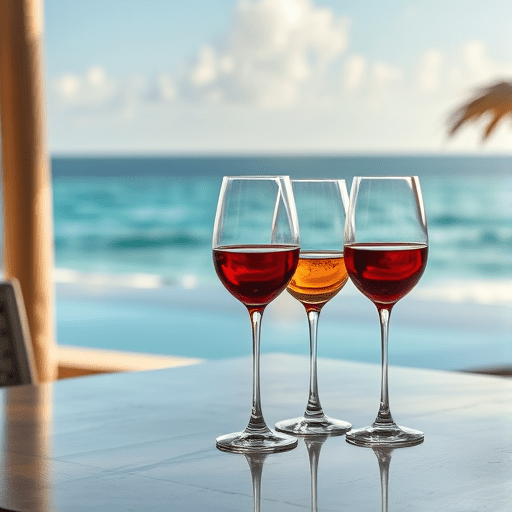
Luxury resort meal plans are rarely a simple either/or. But if you’re a couple who drinks wine with dinner and habitually skips lunch, the all-inclusive vs. à la carte decision becomes a math problem — not a matter of vacation philosophy. In 2026, with elevated “gourmet inclusive” tiers and dynamic resort pricing becoming standard, the old rules of thumb from travel blogs no longer hold up. This guide walks through the true cost of each approach, including the variables most comparisons conveniently ignore: wine pours, service charges, and the simple fact that lunch is not part of your day.
The “Skip Lunch” Conundrum: Why Most Cost Comparisons Are Wrong
Most resort meal plan calculators assume three meals a day. They build a spreadsheet with breakfast, lunch, and dinner, then compare a bundled plan against adding up à la carte prices. That assumption is fatal for a large slice of luxury travelers. A couple lounging by the pool, taking a long excursion, or simply pacing themselves for a late, lavish dinner often does not eat lunch. When you skip lunch, the all-inclusive package is suddenly paying for a meal you will never consume.
This single variable tilts the balance toward à la carte far more often than influencers admit. But there is a counterweight: wine. The cost of quality wine at resort restaurants is significant, and all-inclusive tiers increasingly include premium labels. The real question is not whether lunch is included. It’s whether the value of your wine consumption exceeds the unused lunch, and by how large a margin.
The Real Decision Metric: What You’ll Actually Drink
Wine is where luxury resort pricing gets aggressive. À la carte, a bottle that retails for $40 will show up on a resort menu at $80 to $130. By the glass, prices of $18 to $35 are common. A couple who enjoys two bottles over a long dinner — one white, one red — is committing to a serious nightly expense before they’ve paid for a single appetizer.
Pricing Wine Per Night in a Luxury Resort
Consider two realistic drinking patterns. The “moderate” couple orders a mid-tier bottle priced at $80. The “serious” couple chooses reserve bottles averaging $130 each. Both may also order a cocktail or a digestif, which adds another $40 to $50 to the nightly bill. This distinction matters because the tipping point between all-inclusive and à la carte lives in this $50-per-bottle spread.
A Realistic Night-By-Night Cost Comparison
Let’s model one night for two people in a luxury resort in a region like the Riviera Maya or the Amalfi Coast. The à la carte figures below include food, beverages, and the mandatory service charge. The all-inclusive figure is the additional nightly premium per couple added to a base resort room rate.
| Expense Item | À La Carte (Moderate Wine) | À La Carte (Serious Wine) | All-Inclusive Premium |
|---|---|---|---|
| Breakfast for two | $90 | $90 | $0 (included) |
| Lunch (skipped) | $0 | $0 | $0 (but bundled) |
| Dinner food, two people | $250 | $250 | $0 (included) |
| Wine, two bottles | $160 | $260 | $0 (included) |
| Cocktails / digestifs | $45 | $45 | $0 (included) |
| Service charge (18%) | $98 | $117 | $0 (included) |
| Taxes & resort fees | $45 | $45 | $45 |
| Total per night for two | $688 | $807 | $720 |
In this example, the moderate-wine couple is better off with à la carte, saving roughly $32 per night. The serious-wine couple saves about $87 per night with the all-inclusive plan. The crossover point falls right around a $100 average bottle price. Drink above that threshold, and the all-inclusive package wins convincingly. Drink below it, and you are subsidizing the resort’s lunch buffet for people you’ll never meet.
Hidden Add-Ons That Alter the Math
The numbers above assume the package covers everything you’re likely to order. That’s not always accurate. Luxury all-inclusive plans have introduced clever exclusions, and à la carte has hidden layers of its own.
- Premium wine lists: Some “included” packages limit the list to house wines. If you prefer a Bordeaux or a Barolo, the resort may charge a supplement even with an all-inclusive plan. Always ask for the included list before booking.
- Service charges on supplements: À la carte pricing usually adds 15 to 20 percent for service. If a wine supplement is charged inside an all-inclusive, that service charge may still apply to the upgraded amount.
- Resort fees that never go away: Many luxury resorts charge a daily resort fee even on all-inclusive stays. This fee is identical for both booking styles, so it doesn’t decide the question, but it does inflate the baseline cost.
- In-room dining: All-inclusive plans often include limited in-room dining, while à la carte resorts may charge 40 to 60 percent more for the same dish on the room service menu.
Four Situations Where All-Inclusive Clearly Wins
The math leans in one direction in several common scenarios. If you identify with any of these, the all-inclusive plan is likely the smarter buy in 2026.
- You’re serious about wine: Two reserve bottles nightly, plus bubbles at breakfast, and the package pays for itself by the second evening.
- You linger at dinner: A long, European-style meal often includes an amuse-bouche, a cheese course, and a digestif. À la carte, those small additions silently pile up. All-inclusive makes the linger free.
- You take day trips and come back hungry: The “skip lunch” crowd is also the crowd that returns at 4 p.m. wanting a late tapas-style meal. All-inclusive resorts with all-day dining venues cover that erratic schedule without extra receipts.
- You prefer certainty: For a honeymoon or milestone anniversary, locking in the fully paid dining experience removes budget anxiety. Avoiding the surprise of a $350 dinner bill is itself a form of luxury.
When À La Carte Is the Smarter Luxury Choice
The reverse is also true. There are situations where paying per meal is not just less expensive, but qualitatively better.
- You eat light and drink moderately: One glass of wine each, a shared appetizer, and a main course is a delightful resort dinner. À la carte comfortably wins on cost and reduces food waste.
- You prioritize off-resort dining: If you plan to explore local restaurants for several nights, an all-inclusive package is pure waste. À la carte lets you pivot without losing prepaid value.
- You prefer a chef’s tasting menu: High-end à la carte resorts often offer a seven-course chef’s table experience that is never included in a standard meal plan. Booking directly as a dining experience is more transparent.
- You skip breakfast too: For couples who sleep late and start the day with just coffee, the per-meal approach means you’re only paying for the dinner you actually enjoy.
Hybrid Plans and 2026 Dining Technology: A Third Way
Luxury resorts have finally noticed that the all-inclusive vs. à la carte binary is too rigid. Several 2026 properties now offer hybrid meal plans, where a nightly credit is applied to any dining venue rather than a preset meal package. The credit is often generous — around $250 per couple — but only covers what you use. Wine upgrades and specialty beverages remain separate. This is a compelling alternative for couples who skip lunch and drink moderately.
Technology is also improving the equation. Leading resorts now include dynamic dining apps that show real-time menu prices and beverage costs before you order, so you can track your nightly spend against a hypothetical package. These apps make it unusually easy to test the actual math on vacation rather than relying on pre-trip estimates. A quick evening check of “spent today vs. what the plan would have cost” gives you data, not guesswork, to decide whether to upgrade for the remaining nights.
The Bottom Line Is About the Bottle
When all the variables are settled, the choice between luxury resort meal plans for a couple who skips lunch comes down to what you drink and how many bottles you finish. A moderate wine habit and a skipped lunch make à la carte the better value. A serious wine habit, especially with reserve labels, tips the scales decisively toward all-inclusive. The smartest move is to map out your likely nightly consumption, check the included wine list at each candidate resort, and then make a spreadsheet with lunch set to zero.