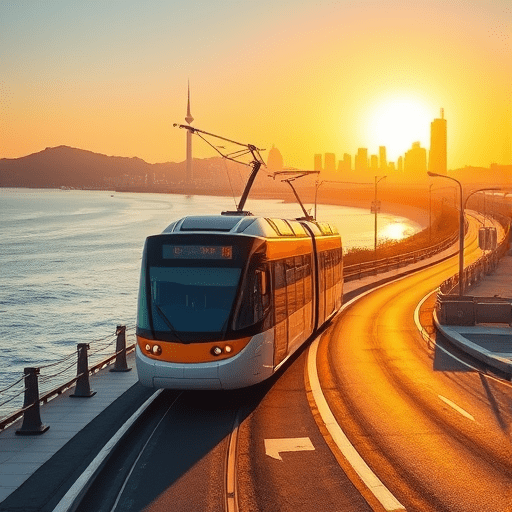
Planning a low-impact 3-day trip doesn’t mean settling for a less memorable getaway. In fact, the opposite is true: when you build a short escape around local transit routes that double as sightseeing, the journey itself becomes the destination. You skip the rental car, avoid the ride-share surge pricing, and tap into a city the way its residents actually experience it — all while shrinking your carbon footprint. With a little intentionality, three days is more than enough to ride heritage tram lines, hop ferries across a harbor, and traverse scenic bus routes that thread through hillside neighborhoods. Here’s how to do it well.
Why Local Transit Is the Ultimate Low-Impact Sightseeing Tool
Vacation emissions are often dominated by transportation choices made at the destination. A single taxi ride across town can generate more per-passenger emissions than the same trip on an electric bus or light rail. Choosing local transit as your primary mode is one of the highest-impact decisions a short-haul visitor can make. But there is a creative bonus: many transit systems are deliberately routed to serve scenic corridors, historic districts, and viewpoint-heavy thoroughfares. What a motorist sees through a windshield, a transit rider sees through a large window at street level, often with better sightlines and no parking anxiety.
The best part is that transit-first travel naturally slows your pace. You can’t pack four neighborhoods into one morning, which forces you to prioritize. On a three-day trip, that constraint becomes a feature, not a bug.
Planning a Transit-First Itinerary in Three Days
The old advice about “getting around” no longer applies. In many cities, getting around is the activity. The key is to plan a loose structure that lets the routes guide your days.
Choose a Base Station, Not Just a Hotel
When booking lodging for a low-impact 3-day trip, look up the transit map before you look up room rates. A hotel or guesthouse within a five-minute walk of a major interchange station — a rail terminal, a ferry pier, or a bus rapid transit stop — transforms everything. You’ll save time, energy, and money, and you’ll be far less tempted to call a ride-share when your legs are tired. Look for properties near stations that serve at least two different lines. This gives you redundancy if one route has scheduled maintenance or a disruption.
Read the Map Like a Tour Guide
Pull up the official transit map and scan for lines that trace waterways, ridge-lines, or historic main streets. These are the routes that double as sightseeing. A coastal train line curving along cliffs, a bus that climbs a winding hill road with panoramic pull-offs, a ferry connecting harbor villages — each one is a moving viewpoint. When you find these lines, build your daily itinerary around their termini and intermediate stops. The journey between stops becomes the scenic highlight.
Use the Arrival Day as a Guided Orientation
Your first afternoon should be a deliberate loop on one or two transit routes. Purchase a 24-hour or 72-hour pass, ride a complete circuit, and note the places where you want to return. This is the modern version of the classic “city bus tour,” but with a local rhythm and a fraction of the environmental cost.
Types of Transit Routes That Double as Tours
Not all transit is created equal when it comes to sightseeing. Learn to pick the routes that deliver the most from your window seat.
Heritage Streetcars and Vintage Trams
Cities like Lisbon, San Francisco, Hong Kong, and Melbourne operate historic tram and streetcar lines that are woven into the regular network. These aren’t tourist gimmicks; they are functioning transit with wooden seats, open-air sections, or century-old rolling stock. Riding a heritage line gives you a tactile connection to the city’s history while covering ground efficiently. In Melbourne, the free City Circle tram loops the central district. In Hong Kong, the double-decker “ding ding” trams trundle along the north shore of Hong Kong Island for a fraction of the cost of a sightseeing bus.
Ferries as Commuter Cruises
Ferry systems are often the best-kept secret in urban travel. In cities like Seattle, Sydney, Vancouver, Bangkok, and Istanbul, commuter ferries offer jaw-dropping skyline views and a cool sea breeze for the price of a bus ticket. The trick is to take a route that crosses the widest part of the harbor, not the most direct commuter hop. On a low-impact 3-day trip, a ferry round-trip can easily replace an entire afternoon of guided boat tours. Bring a snack, find an outdoor seat, and enjoy the perspective only water transit can provide.
Scenic Bus Routes on Hillside Alignments
Buses are underrated for sightseeing because they are flexible enough to climb hills that rail lines cannot. In San Francisco, the 30 Stockton bus and the 1 California route cross the city with panoramic views. In Cape Town, the MyCiTi bus network reaches coastal suburbs that are ideal for a day trip. In Medellín, the Metrocable gondola lines double as both essential transit for hillside communities and a spectacular aerial sightseeing experience. When planning your trip, search for “scenic bus route” plus the city name. The results will be better than most paid tours.
Intercity Rail for a Day-Loop Adventure
With three days, you have room for one carefully chosen out-and-back trip. Use regional rail to reach a smaller town, a beach, or a trailhead within an hour or two of your base. The train ride itself is often the most scenic part of the trip. In Japan, the rapid express trains on the Enoshima line deliver views of the Pacific. In Scotland, the short hop from Edinburgh to North Berwick runs alongside the Firth of Forth. Even a simple commuter rail ride to the end of the line can open up a completely different landscape.
Smart Practices for a Genuinely Low-Impact Trip
Choosing transit over cars is a strong start, but a low-impact 3-day trip benefits from a few more intentional habits.
- Pack ultra-light: Every kilogram you carry makes walking and transit transfers easier. A small backpack forces you to buy less and move faster.
- Bring a reuse kit: A collapsible coffee cup, a water bottle, and a set of reusable utensils eliminate most single-use waste, especially if you’re eating on the go between transit connections.
- Eat where the transit workers eat: Pick meal stops near busy interchange stations. The food is usually authentic, affordable, and close to your next ride.
- Travel during off-peak hours: Not only is it more comfortable, but it reduces crowding pressure on local infrastructure. A late-morning start after the rush hour is ideal.
- Use one mobility app: Many cities have consolidated transit, bike-share, and micro-mobility payments into a single platform. A combined pass reduces friction and encourages you to stay car-free.
- Offset the journey itself: If you flew or drove to the city, consider a verified carbon offset or — even better — book a seat on a direct train for the next trip in the region.
A Sample Framework for Your Three Days
Every city is different, but this rhythm works across most transit-rich destinations.
Day one: The Loop. Arrive, check in, and take a complete circuit on the most scenic rail or ferry line. Stay on board for the entire route. Make a list of two or three stops where you want to return. Eat dinner near your base station.
Day two: The Deep Dive. Pick one of the stops from your loop and explore that neighborhood in depth. Walk its streets, visit its market, then take a different transit line back to your base so you see another corridor. This is the day for your intercity rail day-trip if you plan one.
Day three: The Morning Light. Wake up early and take the most photogenic route during golden hour. Rides are less crowded, the light is softer, and the city feels entirely different. Spend the late morning revisiting a favorite spot or hunting for a local specialty to bring home. Depart with your transit pass still valid — it counts as a souvenir.
What to Avoid on a Short Transit-Centered Trip
Some habits undercut the low-impact goal without adding fun. Skip the rental car entirely; parking costs and city congestion will eat your limited time. Avoid transfer penalties by choosing a base near a major interchange. And don’t over-schedule. A three-day trip with three planned activities per day is a sprint, not a vacation. Leave gaps in your calendar for the unexpected detour, the bakery across the street, or the extra loop on a tram line that you simply enjoy.
Low-impact travel is not about sacrifice. It is about trading a windshield view from a rental car for a street-level window on a tram, bus, or ferry. In three days, you can see more of a city’s real texture by staying on its transit network than by racing through a checklist of landmarks. The routes are the attraction. The ride is the memory. And the only thing you leave behind is the traffic.