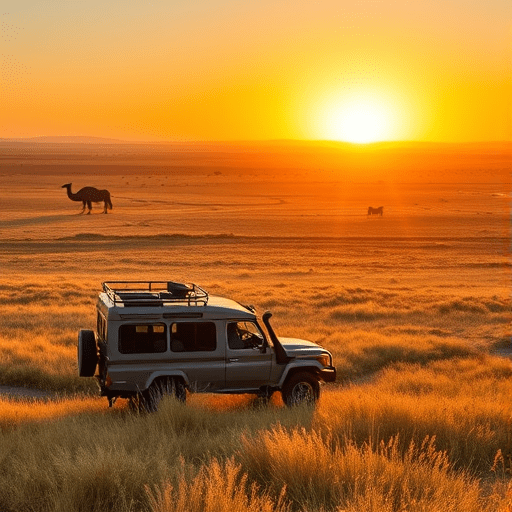
For the eco‑tourist of 2026, the promise of a “wildlife safari” is tempting—but not all tours live up to that promise. Choosing Ethical Wildlife Tours Without Guilt means going beyond glossy brochures to evaluate the real impact of your travel choices. In this step‑by‑step guide, we’ll walk you through the red‑flag indicators, the certifications that matter, and how to ensure your safari benefits both animals and local communities while keeping your conscience clear.
Why Guilt-Free Safaris Matter in 2026
Global tourism has accelerated to new heights, with Africa’s wildlife destinations attracting millions of visitors annually. The environmental and social footprint of these visits has grown, prompting stricter regulations and a rise in ethical travel movements. In 2026, travelers are no longer passive observers; they demand transparency, measurable conservation outcomes, and genuine community empowerment. Choosing guilt‑free safaris helps keep the wild places alive and ensures that your money supports sustainable development rather than short‑term profit.
Step 1: Verify Certification and Transparency
The first filter is whether the operator holds recognized, verifiable certifications. Look for:
- Global Sustainable Tourism Council (GSTC) Standards – the industry benchmark for responsible travel.
- International Union for Conservation of Nature (IUCN) Partner Designation – confirms collaboration with conservation NGOs.
- Wildlife Trust or WWF Affiliation – indicates ongoing conservation projects tied to the tour.
- Transparent Reporting – operators should publish annual impact reports, audit findings, and third‑party verification.
Ask for a copy of the certification documents and verify them through the certifying body’s website. If an operator can’t provide this information promptly, consider it a red flag.
Step 2: Analyze On‑Ground Impact on Wildlife and Communities
Certification alone isn’t enough. Investigate how the tour operates on the ground:
- Animal Welfare Practices – confirm no hunting, minimal wildlife disturbance, and adherence to national park regulations.
- Visitor Capacity Management – small, controlled groups reduce stress on animals and ecosystems.
- Community Engagement – look for evidence of direct employment, fair wages, and local skill development.
- Conservation Funding Channels – how does the tour’s revenue translate into measurable conservation outcomes? Seek concrete data like hectares protected, species population trends, or habitat restoration projects.
Interview local staff or community members via online forums or social media to get an insider perspective. A respectful operator will welcome your questions and provide honest answers.
Step 3: Spotting Greenwashing Tactics
With the surge in “eco‑friendly” marketing, many operators exaggerate their sustainability. Watch for:
- Generic buzzwords without evidence (e.g., “100% green” without certification).
- Use of the word “wildlife” while the trip focuses primarily on photography or wildlife viewing without conservation benefits.
- Over‑promised community involvement that results only in token gestures.
- Claims of carbon neutrality that lack transparent offset details.
If a tour promotes a “wildlife fund” but provides no financial report, it’s likely a marketing ploy. Use online review sites, and cross‑reference claims with independent conservation organizations.
Step 4: Comparing Pricing Models and Value
High price tags don’t automatically guarantee ethical practices, and budget tours can be just as unsustainable. Consider:
- Inclusive vs. Add‑On Pricing – does the cost cover accommodation, meals, guide fees, and conservation contributions?
- Hidden Fees – watch for extra charges for park permits or “special experiences.”
- Value for Conservation – a good operator allocates a specific portion of the price to verified conservation projects.
Use a comparative spreadsheet to map each operator’s offerings against cost. A transparent price breakdown often indicates a trustworthy company.
Step 5: Engage with Local Conservation Partners
One of the most reliable ways to gauge an operator’s ethical stance is through their collaboration with local NGOs and community groups. Look for:
- Joint conservation initiatives such as anti‑poaching patrols, wildlife monitoring, or reforestation.
- Training programs that equip local staff with conservation skills.
- Community benefit projects like schools, health clinics, or micro‑enterprise support.
Ask the operator to share the names of their partners and any ongoing projects. A robust network of local collaborators demonstrates genuine commitment to sustainable impact.
Beyond the Tour: Post‑Trip Accountability
Responsibility doesn’t end when you return home. A truly ethical safari operator will:
- Share post‑trip impact reports and updates on conservation projects.
- Encourage repeat engagement, such as long‑term volunteer placements or financial contributions.
- Maintain open communication channels for traveler feedback and concerns.
Follow the operator’s social media pages and newsletters to stay informed about the lasting effects of your participation.
FAQs for Ethical Safari Decision‑Makers
Q: Can I trust a tour operator that is certified but not well-known?
A: Yes, as long as the certifications are verified, and the operator demonstrates transparent reporting and community engagement, a lesser‑known name is not a drawback.
Q: How can I verify a conservation project’s impact?
A: Look for third‑party evaluations, measurable indicators (e.g., population counts, hectares restored), and independent audits.
Q: Are there any red flags for tours that claim to be “wildlife‑only”?
A: Over‑emphasis on wildlife viewing without mention of conservation or community benefits often signals a focus on profit over preservation.
Conclusion
Choosing a guilt‑free wildlife safari in 2026 demands more than a quick online search. By rigorously vetting certifications, scrutinizing on‑ground practices, spotting greenwashing, comparing transparent pricing, and verifying local partnerships, you can ensure that your adventure supports real conservation outcomes and empowers local communities. A mindful choice today preserves the wild places you love for tomorrow.