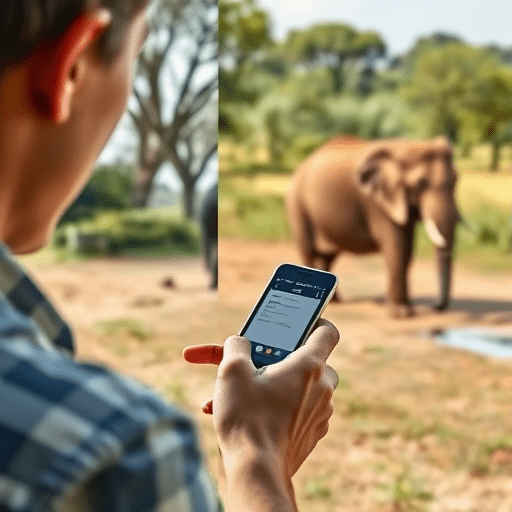
Booking a wildlife tour can feel like a moral minefield. Even travel sites with robust review systems rarely reveal whether a sanctuary keeps tigers in tiny cages, offers unregulated elephant rides, or forces lemurs to pose for selfies. That’s why a growing suite of verification apps is stepping in to close the gap. These are not just rating platforms—they are serious verification tools that cross-check certifications, repatriate welfare data, and flag abuses in real time. If you want to support ethical wildlife tourism without accidentally funding animal cruelty, these six apps that verify ethical wildlife tours before you book are becoming essential travel companions.
Why Booking Platforms Still Miss Animal Welfare Red Flags
Traditional booking sites rely heavily on user reviews and self-reported business practices. A facility can claim to be “sanctuary-approved” or “eco-certified” without any third-party validation. Certifications like Global Welfare Standard or Travelife exist, but they often lack granular, updated inspection data. Moreover, the same certification can be interpreted differently across borders, making it nearly impossible for a traveler to compare two elephant parks or dolphin experiences fairly.
The problem intensifies when you consider that some venues fake certifications or use their own private labels. Verification apps solve this by automating data collection from government registries, non-profit audits, and even visitor geotagged photos. Instead of taking a website’s word, they build evidence trails. This is the core shift: from advertised ethics to verified ethics.
What These Verification Apps Actually Do
Rather than simply showing a green badge, the most effective apps deploy multiple layers of scrutiny. They check license numbers against official tourist boards, scan for CITES permit violations, and analyze thousands of recent guest submissions for specific abuse keywords like “chain,” “whip,” “bullhook,” or “separated from mother.” Some even use machine learning to flag anomalies in opening hours or recurring negative patterns that human moderators would miss.
Another powerful feature is community-driven abuse flagging. If a traveler witnesses or receives evidence of animal distress, they can upload photos and location data directly into the app. The tool then correlates this with historical complaints and alerts other users in the area. This crowdsourced intelligence layer is what differentiates the modern verification app from an old-fashioned checklist site.
The Current Toolbox: 6 Apps to Know
Here are six trailblazing apps that have refined the art of verifying ethical wildlife tours. Each approaches the problem from a slightly different angle, but all share a commitment to radical transparency.
WildCheck
WildCheck is the most comprehensive verification engine on the market. It maintains live connections to 40+ international certification bodies, including the Global Federation of Animal Sanctuaries and the Association of Zoos & Aquariums. When you search for a tour, the app pulls the facility’s certification status and—crucially—the date of the last unannounced inspection. If a certificate has lapsed or was issued under a closed-circuit review, WildCheck flags it in red. It also lets you trace individual animals back to known rescue stories or breeding records, making elephant sanctuaries and big cat retirement centers much harder to fake.
TourSafe
TourSafe focuses on geolocated welfare reports. Every time a user completes a tour, they are invited to submit an anonymous, structured review that goes beyond “did you have fun?”. Questions cover how many hours animals were forced to interact, whether handlers were carrying punishment tools, and whether signs of repetitive stress behavior were visible. The app then cross-references that data with facility licenses and local veterinary records. TourSafe’s best feature is its “abuse heat map,” which shows nearby hotspots of reported cruelty, so you can avoid an entire region if needed.
EthicTrail
EthicTrail is built for travelers who want deep supply-chain visibility. It integrates directly with booking APIs from major tour operators to find which specific lodge, entrance gate, or excursion partner is responsible for animal handling. If a swim-with-dolphins package hides an offsite breeding pool, EthicTrail will expose the physical address and match it with inspection reports. It also uses satellite imagery to check if enclosures have adequate shade, water sources, and natural terrain. For coastal wildlife tours, it tracks boat engine noise levels against marine mammal distress thresholds.
AnimalWatch
AnimalWatch was originally developed by a coalition of conservation NGOs and has since become a free consumer tool. Its unique selling point is its AI-powered abuse classifier. Users can upload a photo of any animal facility, and the AI scans for telltale signs: concrete floors, chains around necks, too-small crates, or even the glassy-eyed expression of an animal in chronic stress. The algorithm is trained on veterinary records and wildlife rehabilitation footage, allowing it to detect issues that human reviewers often overlook. While not perfect, AnimalWatch provides an objective second opinion before you commit to a tour.
CertiWild
CertiWild is a blockchain-based verification app. It stores every certification, inspection score, and ownership transfer in an immutable public ledger. When a facility applies for an ethical endorsement, the ledger records the application, the inspecting officer, and the timestamp of every action. This makes it nearly impossible to backdate permits or hide past violations. CertiWild also lets travelers scan a QR code at the venue to see the same data they saw on the app, ensuring nothing was changed between the digital listing and physical reality. It can even verify if an animal’s microchip number matches the registered rescue operation.
EcoPaw
EcoPaw takes a more holistic approach by grading the entire ecosystem of a tour, not just animal welfare. It checks waste management, carbon footprint, and whether a portion of the proceeds funds real conservation work in the local national park. However, its animal abuse flagging system is particularly aggressive. EcoPaw scrapes travel forums, social media posts, and review sites for unverified claims of abuse, then cross-references phishing patterns from known trolls. If a venue has a history of silencing critics or deleting negative reviews, that behavior itself becomes a red flag—because transparency is the first casualty of animal cruelty.
How to Use These Apps Effectively
No single app is perfect, so the smart traveller uses at least two. Start with WildCheck or CertiWild for baseline certification verification, then layer on TourSafe or AnimalWatch for real-world reports. Search for the same tour in multiple apps to see if the verdicts agree. Pay special attention to the recency of reviews and inspections—a five-month-old certification may not reflect yesterday’s management change.
- Always cross-reference the app’s “verified” badge with the facility’s actual license number on the official government tourism website.
- If an app flags a venue as suspected abuse, take screenshots of the evidence. That can help local animal welfare agencies take action.
- Use the app’s reporting feature even for positive experiences; good data about ethical venues helps everyone.
- Never rely solely on “community rated” endorsements, as those can be gamed. Look for third-party audit trails.
What the Next Generation of Verification Looks Like
The tools above are far from static. In the coming seasons, we will likely see more integration with biometric animal IDs, real-time stress monitors, and perhaps even live camera feeds from critical facilities. The goal is to make ethical verification as effortless as checking the weather. Until then, these six apps offer a powerful shield against the hidden suffering that still lurks behind many wildlife selfie opportunities. Their central insight is simple: transparency is not a luxury. It is the basic minimum for any tour that claims to love animals.
In summary, the era of trusting brochures and hashtags is ending. Verification apps that cross-check certifications, crowd-source welfare reports, and block blockchain tampering are giving travelers the tools to align their wallets with their values. The next time you are tempted by a photo of a smiling tiger or a playful monkey, let one of these apps be your guide. You will gain not just a better trip, but a cleaner conscience—and the animals you meet will have a far better chance of living the lives they deserve.