Rewarded video ads have become a staple in live service games, offering players a free reward in exchange for a few seconds of attention. But most implementations still treat every player the same: watch this 30-second spot, receive a fixed bundle of coins or a single consumable. It works, but it leaves engagement on the table. The next evolution is player-controlled rewarded ads — letting players pick which reward they’ll receive before the ad starts. This shift turns a passive transaction into an active decision, increasing opt-in rates, improving ad completion, and reducing the “ad fatigue” that drives players away. In a live service landscape where player trust is fragile, giving players a sense of agency over their rewarded ads may be the simplest way to make monetization feel like a feature, not a penalty.
Why Choice Matters in Rewarded Advertising
The standard rewarded ad asks players to accept a one-size-fits-all offer. If the incentive doesn’t match what a player needs at that moment, they simply ignore it. A player deep into a battle pass may not care about extra soft currency; they want a head start on daily challenges. A player who just died in a boss fight might prefer a resurrection or a damage boost over a loot crate. When the reward doesn’t resonate, the ad becomes an interruption. When the player gets to choose the reward, the ad becomes a tool they are using to solve their own problem.
This is not a minor UX tweak. It’s a fundamental shift from a push model to a pull model. The player is no longer “bribed” into watching an ad. They are selecting a reward from a small, curated menu and then voluntarily completing the ad as the cost of that reward. That sense of intentionality changes how the ad is perceived. It feels less like an interruption and more like a transaction the player controls.
The Psychology of Player-Chosen Rewards
Self-determination theory tells us that autonomy is one of the core drivers of intrinsic motivation. When players feel they are choosing an action rather than being forced into it, they are more likely to engage willingly. Player-controlled rewarded ads apply this principle directly to monetization. Giving players a choice of rewards before the ad plays does more than increase the perceived value of the offer; it also gives them a sense of ownership over the exchange. They are not being sold to. They are making a purchase with their time.
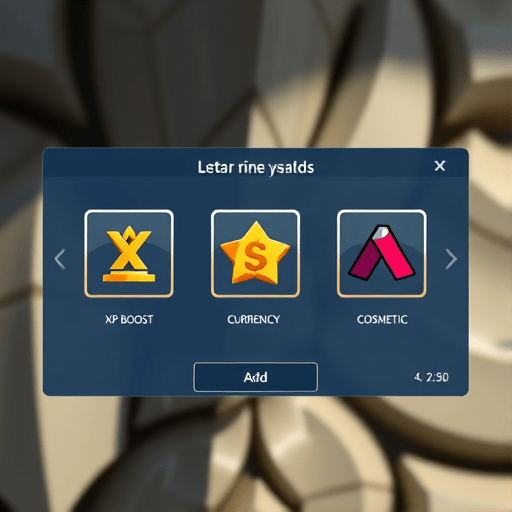
There is also an important distinction between the illusion of choice and real agency. A menu with two nearly identical rewards may still feel manipulative if players quickly learn the offer is fixed. True player-controlled rewarded ads need to offer meaningful choices that reflect the game’s economy and the player’s current situation. That could be a choice between a speed boost, an XP booster, a cosmetic item, or a rare crafting material. The point is not to overwhelm the player with options, but to present a small set of rewards that each appeal to a different motivation — progression, customization, or convenience.
Practical Design Patterns for Player-Controlled Rewarded Ads
Implementing player-controlled rewarded ads is more than adding a dropdown menu before the ad loads. The best implementations use context and player behavior to surface the most relevant rewards at the right time. There are several design patterns emerging in live service games that are worth paying attention to.
Reward Selection Straight From the Game UI
Instead of a separate pop-up that interrupts gameplay, the reward selection can live inside existing UI elements. For example, when a player opens a shop or an event screen, they might see a row of items with a small “watch ad” button under each item. This makes the ad reward feel like part of the game’s economy, not an external advertising break. The player browses the game world, finds something they want, and then chooses to support their desire with an ad view.
Dynamic Reward Menus Based on Player Behavior
Live service games have access to rich telemetry data about what players do, what they buy, and what they ignore. A player-controlled rewarded ad system can use that data to personalize the reward menu. If a player consistently avoids a particular game mode, offering them a reward that gives a bonus in that mode is unlikely to convert. But if they just finished a long session of ranked matches, a reward that helps with hero upgrades or loadout customization will feel much more appealing. Dynamic menus keep the offer fresh and relevant without making the player feel like they are being algorithmically profiled.
Choice as a Reward Loop in Itself
Some games go a step further and make the act of choosing a reward a mini-game. For example, a player might tap on one of three mystery chests, each with a different icon representing a reward category. The anticipation of the reveal adds a layer of entertainment to the ad experience. This approach works especially well for casual live service games where the audience expects light, playful interactions. The key is to keep the selection process fast. If choosing a reward takes longer than the ad itself, the system becomes annoying.
Context-Aware Choices and Retention
The real power of player-controlled rewarded ads becomes visible when the reward menu is tied to the player’s current state in the game. A player who has just lost a match might see a reward option for a temporary stat boost that helps on the next attempt. A player who is about to log off might see a daily log-in streak extender or an offline earnings booster. This contextual relevance is what makes the difference between an ad that feels like a thoughtful part of the game and an ad that feels like a random interruption.
Retention also improves because the player is more likely to use the reward immediately. In traditional rewarded ads, players often hoard rewards or forget about them. When the player chooses a reward that directly addresses their current pain point, they consume it right away, which creates a positive feedback loop. They watched an ad, they got a useful reward, they used it to progress, and they feel more invested in the session. Over time, this pattern builds trust in the monetization system and makes future ad opt-ins more likely.
Advertiser Value: Better Attention, Better Outcomes
Player-controlled rewarded ads aren’t just good for players and game developers. Advertisers also benefit from higher quality attention. A player who chooses a reward is knowingly agreeing to watch an ad to get it. Their attention is not passive or accidental. They are paying attention because they have a stake in the outcome — the reward they selected. This leads to higher completion rates and better brand recall. When the ad is relevant to the reward choice, the effect is even stronger. For example, if a player chooses a “food and energy boost” reward, an ad for a snack brand or an energy drink fits naturally alongside the reward, creating a coherent experience rather than a jarring juxtaposition.
Avoiding the Pitfalls of Choice Fatigue
Choice is powerful, but too much choice can backfire. If players are given a large grid of rewards every time they see a rewarded ad, they may spend too much time deliberating and eventually leave or choose the safest option out of exhaustion. The solution is to present a curated set of three or four rewards at most. The set can rotate based on the player’s actions, but the number of options should stay small enough to support a quick decision.
Another pitfall is value inconsistency. If one reward is clearly better than the others, the choice is not a real choice. Developers need to balance the rewards so that each option has a use case. A cosmetic item might have lower currency value but higher personal meaning for the player. A rare crafting material might be useful for a long-term goal but not immediately needed. The perceived value should be comparable, even if the actual utility is different.
The Future of Ethical Live Service Monetization
Player-controlled rewarded ads also shift the conversation about ethics in live service monetization. Regulators and player communities are becoming more suspicious of dark patterns, forced ads, and manipulative reward schedules. By giving players explicit control over what they see and what they get in return, developers can demonstrate a more transparent approach. The choice menu itself is a kind of disclosure: the player knows exactly what they are getting for their time. There is no mystery box, no hidden catch, just a clear exchange.
This model also pairs well with other live service systems. For example, battle passes can include optional ad-supported tracks where players choose between different premium cosmetic rewards in exchange for watching ads. Seasonal events can feature ad-based currency that can be spent on a rotating set of items selected by the player. The common thread is that the player is always in control of the transaction, which aligns the monetization incentives of the developer with the retention goals of the game.
Conclusion
Letting players choose their rewarded ad reward is a small change with outsized implications. It respects the player’s time, acknowledges their individual needs, and turns an optional ad into a meaningful decision. Live service games that adopt player-controlled rewarded ads in 2026 and beyond will find that engagement metrics improve not just around the ad itself, but across the entire session. In a market where player loyalty is earned through respect, giving players a choice is the most effective monetization upgrade available.