Can digital twins predict drug response before prescription? For years, the idea of running a virtual copy of a patient through a drug trial before the first dose sounded like science fiction. Today, the convergence of wearable sensors, electronic health records (EHRs), and advanced physiology-based simulations has turned that fiction into a growing clinical reality. Patient-specific simulation can now be used to test adverse effects before the first dose in select therapeutic areas, and the implications for prescribing are only beginning to be understood.
From Reactive Dosing to Predictive Prescribing
Most drug-prescribing workflows remain reactive. A clinician chooses a drug based on population averages, organ function estimates, and perhaps a genetic test. If the patient experiences an adverse reaction, the clinician adjusts or switches therapy. That iterative process costs time, money, and sometimes lives. Digital twins aim to invert this logic.
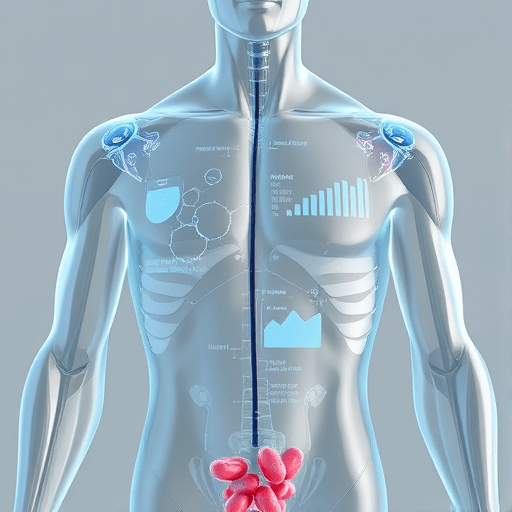
A digital twin is a living, computable model of a patient that is continuously updated with data from sensors, lab results, and medical records. When mapped to pharmacokinetic and pharmacodynamic (PK/PD) models, the twin can simulate how a specific drug will be absorbed, distributed, metabolized, and eliminated in that specific body. It can also simulate the physiological response: changes in heart rhythm, blood pressure, glucose levels, or immune signaling.
This moves prescribing from a trial-and-error model to a predictive one. Instead of asking “what will this drug do in the average patient,” the clinician asks “what will it do in this patient?”
How EHRs and Wearable Data Build the Digital Twin
Building a twin that is useful before a first dose requires two broad categories of data.
EHRs Provide the Structural Foundation
The EHR supplies the patient’s baseline: age, sex, diagnoses, liver and kidney function, medications, prior adverse reactions, and genetic variants. This static foundation determines the broad contours of drug metabolism. For example, a patient with a CYP2C19 poor metabolizer phenotype may need a different clopidogrel dose, and a patient with chronic kidney disease may need adjusted digoxin loading. An EHR with structured pharmacogenomic fields makes this information accessible to a simulation engine.
Wearables Add Dynamic Physiology
Wearables do more than count steps. Continuous heart rate variability, resting heart rate, skin temperature, blood oxygen saturation, and electrocardiogram-derived intervals can capture the current state of a patient’s autonomic nervous system, cardiovascular system, and metabolic status. This is especially important for testing adverse effects before the first dose because many adverse effects are mediated by rapid changes in physiology.
Consider a drug that can prolong the QT interval. A simulated twin informed by daily heart rate variability and electrolyte trends can predict whether the patient’s cardiac repolarization reserve is sufficient to tolerate the drug. Without wearable data, the clinician would only have a snapshot from the last office visit. With wearable data, the simulation can represent circadian shifts and recent stress loads.
One emerging design uses a digital twin that receives a continuous stream from a wrist-worn photoplethysmography sensor and a patient-reported symptom diary. The model updates every few minutes. When the clinician enters a proposed prescription, the twin returns a risk score for torsades de pointes, bradycardia, and hypotension before the pharmacist even sends the order.
Testing Adverse Effects Before the First Dose
The phrase “test adverse effects before the first dose” captures the most practical use case. For high-risk drugs, digital twins can serve as virtual challenge tests.
Simulated Challenge Tests
Instead of exposing a patient to a small dose and watching for a reaction, the twin receives the same dose in silico and produces a predicted response curve. The virtual patient might show a steep rise in drug concentration that exceeds the therapeutic window, triggering a recommendation for an adjusted starting dose or a longer infusion time. This is particularly useful for oncology drugs with narrow therapeutic indices, antiarrhythmics, and certain antibiotics.
Adverse Event Subtyping
Digital twins can also help distinguish different adverse effect mechanisms. A predicted drop in blood pressure could be due to vasodilation, decreased cardiac output, or a drug-drug interaction. The simulation can output which mechanism is likely, allowing the care team to choose a preventive strategy. For example, if the twin shows that the target drug binds to the hERG channel and reduces repolarization reserve, the clinician can order serial ECGs or prescribe a different agent.
Recent prospective observational studies showed that twin-guided dosing for a narrow-therapeutic-index anticoagulant reduced the time to stable INR compared to standard dosing.
What the Current Evidence Shows
The evidence base for digital twins in prescribing is still early, but the signals are encouraging. Academic medical centers have developed twins for methotrexate, tacrolimus, warfarin, and insulin. These models generally outperform single-risk-factor calculators because they combine many variables simultaneously.
- Cardiovascular digital twins have successfully simulated QT interval changes for a set of known QT-prolonging drugs using patient-specific ECG data.
- Hepatic digital twins, built from imaging, lab tests, and metabolomic profiles, have predicted drug-induced liver injury more accurately than static liver function scores.
- Pediatric digital twins are emerging as a substitute for extrapolation from adult doses, addressing a long-standing gap in medication safety for children.
These are not yet routine clinical tools, but they are being tested in clinical workflows rather than confined to academic simulations.
Challenges on the Road to Clinical Adoption
Despite the promise, there are several barriers to wide adoption.
Data Quality and Continuity
A digital twin is only as good as the data that animates it. Wearable sensors vary in accuracy, and EHR data often contains gaps. Missing lab values, inconsistent medication lists, and undocumented over-the-counter drugs can distort predictions. The simulation needs uncertainty intervals to avoid making dangerously precise recommendations from imprecise data.
Regulatory Validation
Regulators are still working out how to evaluate AI-generated drug safety simulations. If a digital twin says a drug is safe for a patient and the patient then develops a serious adverse event, where does the liability fall? The answer depends on whether the model has been approved as a medical device, a clinical decision support tool, or a practice guideline. Regulatory frameworks are evolving, but they must align across jurisdictions before clinicians can rely on them.
Human Trust and Accountability
Clinicians are trained to trust their own clinical reasoning and guidelines. A black-box simulation that outputs a risk score without explaining the why will face resistance. Explainable AI techniques are therefore not optional; they are a prerequisite for adoption. The twin must be able to show which inputs contributed to the prediction—whether it was a low potassium concentration, a specific genetic variant, or a change in sleep-rest heart rate.
The Path Forward
The next step is not necessarily building a universal twin that can simulate every drug in every patient. That grand vision is decades away. Instead, the more practical path is focused, small, high-value decisions: “Should this patient receive a loading dose of this drug?” “Will this antibiotic delay QT interval?” “What is the safest starting dose for a patient with this CYP genotype and renal function?”
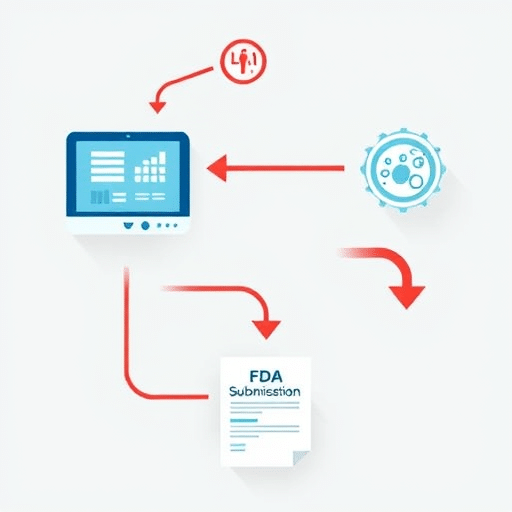
As these focused twins are validated, they can be integrated into electronic prescribing systems and EHR-based clinical decision support. The prescription itself becomes an interaction: a proposed drug, a patient-specific twin, and a simulation output showing predicted adverse events.
Digital twins will also become more explainable as wearable data stream into open, standardized physiological models. Once the models are transparent and the evidence is reproducible, clinicians will begin to trust them as much as a calculated creatinine clearance or an ECG trace.
Conclusion
Can digital twins predict drug response before prescription? The evidence emerging from patient-specific simulation in cardiology, hepatology, and pharmacology suggests a qualified yes for selected patients and drugs. Combining wearable data with EHRs makes it possible to test adverse effects before the first dose. The challenge now is not whether to build a digital twin—it is how to make the model trustworthy, transparent, and seamlessly embedded into the moments before the first dose.