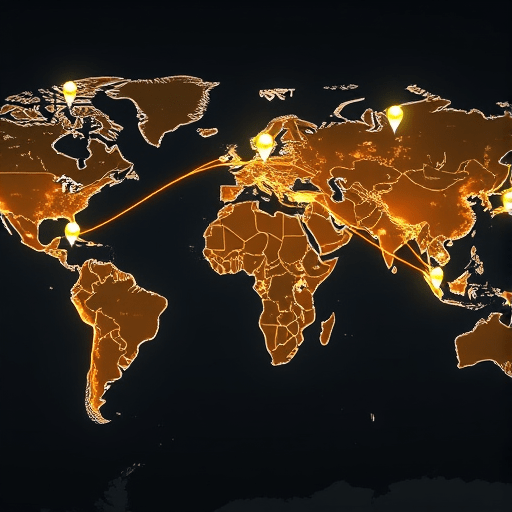
Choosing where to build a startup is a high-stakes bet that too many founders and investors approach with outdated optics. Gross domestic product has long been the default proxy for regional opportunity, but it masks the exact dynamics that matter most in the first few years of a company: cheap validation, trusted capital, and a steady pipeline of bold people who leave big markets to build something better at home. The smartest play now is to invert the map. For startup region selection, ignore GDP and watch diaspora flows instead. Remittance data and diaspora investment patterns offer a sharper, more predictive read on where the next overlooked hubs are growing.
Why GDP Masks Real Startup Momentum
GDP is a lagging, aggregate number. It tells you how large an economy has already become, not where transactional trust, informal networks, and early product experimentation are concentrated. A city can have a small GDP and still host a vibrant startup scene, especially if that city receives steady streams of income from abroad. Those flows create liquidity, but they often bypass the formal banking channels that typical regional economic rubrics try to measure.
Remittance dollars behave differently than institutional investment. They are distributed broadly across households, which means they stabilize consumption, improve cash flow for small suppliers, and sometimes seed entirely new businesses. Diaspora investors also take risks that foreign VCs avoid because they have personal knowledge of the local market. When a region has deep diaspora ties, GDP undercounts its true entrepreneurial capacity.
Diaspora Flows Are a Leading Indicator
Diaspora flows are not just welfare transfers. They are high-frequency, high-trust capital movements that reveal several things at once: a resident population with urgent needs, a non-resident population with disposable income, and enough cross-border familiarity to move money and ideas quickly. Global remittances continue to outpace foreign direct investment in many emerging markets. This is particularly true in smaller cities that never made it onto the typical startup map.
Watching remittance growth is like watching a real-time experiment in entrepreneurial readiness. When remittance inflows rise, local founders gain a more patient source of seed money. When diaspora networks begin organizing into angel groups or mentorship programs, they bring not just capital but also distribution channels, technical expertise, and feedback loops with customers in wealthier countries. These flows are a leading indicator, not an afterthought.
Case Study: Pristina, Kosovo
Pristina is not on the shortlist for most startup region selection reports. Its GDP per capita is modest, and its capital markets are thin. Yet Pristina has quietly become one of Europe’s most interesting diaspora-driven startup ecosystems. The Kosovan diaspora, concentrated in Germany, Switzerland, and Scandinavia, transfers over a billion euros back each year. That capital does more than pay bills; it circulates into rental deposits, small e-commerce storefronts, software shops, and product prototyping.
Talent Returns for the First Time
For years, Kosovo’s best-educated workers left for European cities. That out-migration created a painful brain drain, but it also built a massive pool of experienced engineers, product managers, and creative professionals who eventually grew tired of expensive Western cities. Recent waves of return migration have turned Pristina into a place where startup teams can hire people with Berlin or Zurich experience for a fraction of the salary. Diaspora returnees are launching companies that export software services to the same markets where they once worked.
Remittance as Seed Capital
The startup ecosystem in Pristina is full of unusual funding stories. Founders often begin with a freelance contract secured through a diaspora connection, then use the first payments to hire two local teammates. The contract is the seed round, and the remittance infrastructure is the bank. This model is invisible in GDP statistics but is highly visible in local banking data, mobile money activity, and business registry filings. For a founder scanning for overlooked hubs, Pristina’s remittance-to-startup pipeline is hard to ignore.
Case Study: Mérida, Mexico
Mérida sits at the other end of the diaspora spectrum. It is the capital of Yucatán, a region not traditionally associated with massive border manufacturing or export processing. But Mérida has become a magnet for Mexican returnees from the United States and a destination for remote workers. The city’s startup scene is thriving on a blend of local capital and remittance-backed family wealth that never appears in official venture capital reports.
Beyond the Border Boom
Many startup hubs in Mexico are defined by proximity to the U.S. border. Mérida offers an alternative: deep cultural roots, a low cost of living, and strong flights to Mexico City and Miami. Remittances from the Mexican diaspora in the United States provide a safety net that allows local founders to take bigger risks. Families pool remittance earnings to help a son or daughter build a healthcare app or launch a specialty food brand, and those small bets have compounded into a durable founder community.
Diaspora Angel Networks
More importantly, Mérida has seen the rise of informal diaspora investor circles. Mexican professionals who established themselves in Texas, California, and Chicago are looking for ways to invest in places outside the saturated Tijuana and Guadalajara corridors. They send small checks to startups in Mérida, offer intro calls with U.S. clients, and occasionally move back to lead a company themselves. These diasporic bridges are not captured in firm-level database searches, but they determine which startup developers turn into real companies.
How to Find Diaspora-Rich, GDP-Poor Startup Hubs
The lesson from Pristina and Mérida is that startup region selection should focus on the connective tissue between a place and its diaspora. Founders and investors can systematically evaluate such hubs by looking for a specific set of signals rather than broad economic size.
- Track remittance growth per capita rather than total GDP. A rising remittance-to-GDP ratio often means households have excess cash to spend on nonessential services, including early digital products.
- Map returning talent. Look for cities where LinkedIn headcounts of experienced workers from major tech hubs are increasing year over year, even if the city’s overall GDP remains flat.
- Monitor diaspora angel activity. Search for local business associations, online forums, and co-working spaces that receive steady visits and mentorship from people based abroad.
- Check for “reverse flight” indicators. These include increased demand for international school seats, new direct flights from diaspora cities, and a growing number of local bank accounts opened by dual citizens.
- Follow the usage of digital financial tools. High growth in cross-border payment apps, multicurrency accounts, and low-cost transfer services is a strong signal that local startups can both raise and spend money efficiently.
Diaspora Data Gives Startups a Head Start
Startup region selection is often treated as a numbers game, but the best numbers are not the ones in GDP tables. Remittance flows and diaspora investment patterns reveal a shadow infrastructure of trust and capital that traditional rankings ignore. Founders who study the movement of people and money before they study gross output will get access to cheaper labor, sharper product insights, and a more loyal base of early users. The cities that benefit from these flows are often completely absent from top-of-funnel startup lists, which is exactly why they still hold so much opportunity.
For the next overlooked startup hub, the earliest signals are not in a national statistics office. They are in the money sent by mothers, the contracts wired by former neighbors, and the conversations that happen when someone who left for a tech job in another country decides that the place they came from is now the place to build.