In 2026, electronic health record (EHR) alert fatigue remains a pressing issue that compromises patient safety and drains clinician time. This playbook presents a practical, data‑driven blueprint for hospitals to automate alert workflows, reduce unnecessary interruptions, and streamline clinician responses. By integrating AI prioritization, tiered alert architecture, and workflow automation, institutions can transform how alerts are generated, delivered, and acted upon.
Understanding the Scope of Alert Fatigue in 2026
Despite advancements in clinical decision support (CDS), the sheer volume of alerts—often exceeding 30 per clinician per shift—continues to overwhelm staff. Recent surveys show that 67% of physicians report at least one critical alert being missed, while 54% acknowledge that “alert fatigue” leads to suboptimal care. These statistics underscore the need for a systematic, technology‑driven solution that aligns with modern clinical workflows.
Assessing Your Current Alert Ecosystem
Before redesigning, map the existing alert landscape. Capture the number, type, and source of alerts, and quantify response times and override rates. Use analytics dashboards to identify “silent alerts” that never reach clinicians and “overridden alerts” that are frequently dismissed. This audit reveals pain points and establishes a baseline for measuring improvement.
- Collect data on alert volume by department.
- Track override patterns for high‑risk alerts.
- Document clinician feedback on alert relevance.
Designing a Tiered Alert Architecture
A multi‑layered alert system classifies notifications based on urgency, clinical context, and required action. This hierarchy ensures that critical alerts receive immediate attention, while low‑priority information is batched or contextualized.
Level 1: Non‑Actionable Notices
These alerts provide informational updates—such as medication schedule changes or lab result trends—that can be consumed asynchronously. Deliver them via a clinician dashboard or inbox, allowing users to review at their convenience.
Level 2: Clinical Decision Support
Alerts that suggest therapeutic options, dosage adjustments, or monitoring plans. Employ AI‑driven relevance scoring to surface only the most pertinent recommendations, reducing cognitive load.
Level 3: Critical Interventions
High‑severity alerts—e.g., sepsis alerts, drug interactions, or cardiac arrhythmias—require immediate acknowledgment and action. Route these to the appropriate care team via real‑time notifications or paging.
Implementing AI‑Powered Prioritization
Artificial intelligence can assess patient risk in real time, weighting alerts by clinical significance. Machine learning models trained on historic outcomes predict which notifications are likely to lead to intervention, automatically filtering out low‑impact alerts. By integrating natural language processing (NLP) with structured data, the system can also detect contextual cues—such as recent surgery or critical lab values—that elevate alert priority.
Workflow Automation: From Alert to Action
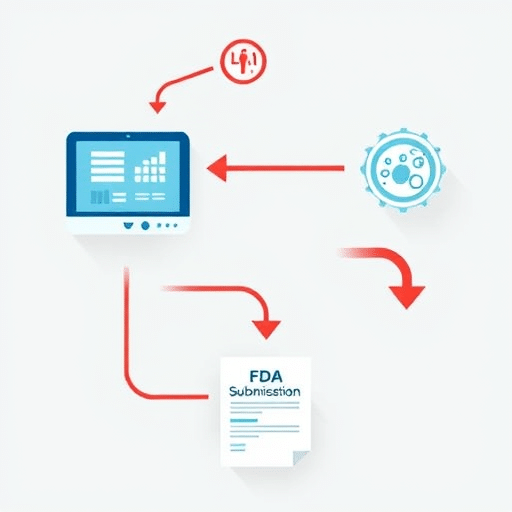
Automation bridges the gap between alert notification and clinical response. By embedding workflow triggers into the EHR, alerts can prompt pre‑filled orders, automated chart notes, or direct task assignments, minimizing manual effort.
Step 1: Smart Routing
Configure rules that direct alerts to the right provider or team. For instance, a medication allergy alert could be routed to the prescribing physician’s inbox and the clinical pharmacist’s dashboard simultaneously.
Step 2: Contextual Dashboards
Provide clinicians with a single, unified view that aggregates all relevant alerts, patient vitals, and recent test results. Dashboards can highlight pending actions and display AI‑ranked recommendations, making decision‑making more efficient.
Step 3: Automated Documentation
Leverage voice‑to‑text and template automation to generate chart entries instantly when a clinician confirms an alert. This reduces documentation burden and ensures accurate record‑keeping.
Training and Change Management
Technological solutions alone cannot eliminate alert fatigue. Successful implementation hinges on comprehensive training, continuous feedback loops, and cultural buy‑in. Start with a pilot cohort, gather usability data, and iterate the alert logic before a hospital‑wide rollout. Provide refresher modules and real‑time support to reinforce new workflows.
Measuring Impact: KPIs & Continuous Improvement
Track key performance indicators (KPIs) such as alert acceptance rates, time to action, and override frequency. Correlate these metrics with patient outcomes—e.g., ICU length of stay or readmission rates—to validate the efficacy of the automation blueprint. Use dashboards for real‑time monitoring and schedule quarterly reviews to refine algorithms.
Future-Proofing: Integration with Wearables & Genomics
Emerging data streams from wearable devices and genomic testing will generate new alert types. Build modular interfaces that allow plug‑in of external data sources without overhauling the core alert engine. Ensure that the system can adapt to evolving clinical guidelines and personalized medicine insights.
Conclusion
By adopting a structured, AI‑enhanced alert hierarchy, smart routing, and automated documentation, hospitals can dramatically reduce alert fatigue. The resulting workflow automation not only protects clinicians from burnout but also strengthens patient safety and operational efficiency. Implementing this blueprint positions hospitals at the forefront of digital health innovation in 2026 and beyond.