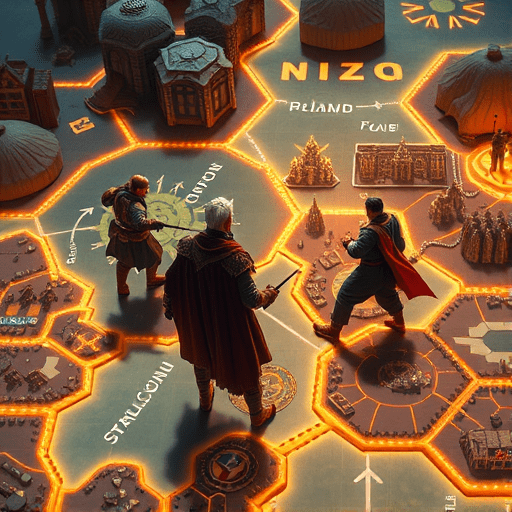
Hybrid RPG‑strategy titles blend character development, decision‑making, and tactical combat into a single experience. 2026 is shaping up to be a watershed year for these games, thanks largely to the rise of modular narrative beats—a design technique that treats story elements as interchangeable, self‑contained units. By packaging scenes, quests, and world‑building moments into modular beats, designers can mix, match, and rearrange narrative pathways on the fly, creating a living story that reacts to each player’s choices while keeping development cycles tight.
Why Modular Beats Matter in 2026 Hybrid Titles
Adaptive Storytelling with Machine Learning
Machine‑learning models trained on player telemetry now predict which beats will resonate most in a given context. Designers can tag beats with “emotional weight,” “conflict intensity,” or “world‑building depth,” allowing the engine to assemble a custom story arc in real time. This adaptability keeps the narrative fresh for repeat playthroughs and ensures that new content feels relevant without requiring massive rewrites.
Balancing Combat and Role‑Play in a Modular Framework
One of the biggest pain points in hybrid titles is the tension between strategic depth and narrative richness. Modular beats let writers carve out distinct “combat beats” and “role‑play beats,” then weave them together through a dynamic beat tree. The result is a seamless flow where tactical decisions directly influence character arcs, and vice versa.
Designing a Modular Beat Toolkit
Core Beat Units: Setup, Conflict, Resolution, Side‑Quest, World‑Building
Every beat should have a clear purpose. Setup introduces the stakes; Conflict drives tension; Resolution offers closure; Side‑Quest expands the universe; and World‑Building enriches lore. By defining these templates, designers can quickly iterate on new content, knowing each beat will slot into the larger narrative structure.
Beat Interdependencies and Branching Trees
Beats rarely exist in isolation. Mapping dependencies—e.g., “Beat A unlocks Beat B only if the player sided with faction X”—creates a branching narrative tree that still maintains cohesion. Visual editors that support drag‑and‑drop of beats help teams keep track of these relationships, reducing logical errors during integration.
Modular Beat Templates and Rapid Prototyping
Template libraries save time. Include placeholders for dialogue, cinematic triggers, NPC interactions, and reward structures. When a new mechanic or character is added, designers simply create a beat from the existing template and populate it with fresh assets. This approach keeps production schedules on track and lets playtesters see the narrative impact of changes early.
Integrating Modular Beats into Gameplay Mechanics
Syncing Beats with Turn‑Based Strategy Phases
In a turn‑based context, beats can act as pacing anchors. For instance, after a decisive tactical victory, the game could trigger a “Hero’s Insight” beat that explores the character’s motivations. Synchronizing beats with the turn cycle maintains rhythm and prevents combat from feeling disconnected from the story.
Player Choice Loops and Modular Beats
Design choice loops that feed directly into beat selection. A decision to negotiate or fight a faction can branch into distinct beats that explore each outcome. By making choices that unlock specific beats, designers reinforce the idea that every action matters, even beyond the battlefield.
Real‑Time Feedback and Beat Triggers
Telemetry can inform beat triggers in real time. If a player is struggling with a puzzle or spending too much time on a side quest, the engine can nudge the narrative toward a beat that offers guidance or a new objective. This keeps the game engaging without breaking immersion.
Case Study: A 2026 Hybrid RPG‑Strategy Title Using Modular Beats
Game Overview
“Chronicles of Aetherium” blends turn‑based squad tactics with deep character lore. Its narrative engine uses a modular beat system to deliver over 500 unique story moments across a single campaign.
Beat Architecture
Core beats include “Echoes of the Past” (world‑building), “Siege of the Citadel” (combat), and “Betrayal of the Council” (conflict). Each beat is tagged with player affinity scores, allowing the engine to prioritize beats that align with a player’s current relationship network.
Player Engagement Metrics
Post‑launch analytics showed a 27% increase in average playtime and a 35% rise in player-reported satisfaction scores compared to last year’s hybrid titles that relied on linear narratives. The modular beat system enabled quick updates to underperforming beats, keeping content fresh and relevant.
Tools and Best Practices
Scripting Languages and Visual Editors
Popular choices include Unity’s Bolt for visual scripting and Unreal’s Blueprint system. Both support event‑driven beat triggers and make it easier to link beats with combat states.
QA Testing of Modular Narratives
Automated playtesting bots should run through all beat permutations to detect missing dialogue, broken links, or logical inconsistencies. Human QA, meanwhile, focuses on narrative flow and emotional impact.
Analytics and Iteration
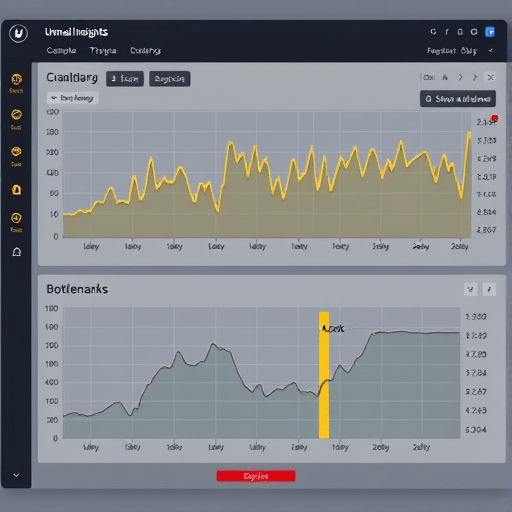
Integrate analytics dashboards that report beat engagement metrics—completion rates, time spent, and branching paths taken. Use this data to prune low‑impact beats or reinforce successful ones, ensuring the narrative evolves with player behavior.
Common Pitfalls and How to Avoid Them
Over‑Complexity in Beat Design
Too many interdependencies can lead to a tangled beat web that’s hard to manage. Keep beat trees shallow and use modular “decision nodes” that funnel player choices into a manageable number of beats.
Narrative Cohesion vs. Flexibility
Striking the right balance is key. Too much flexibility can erode story continuity, while rigid paths reduce replayability. Establish core narrative themes that all beats reinforce, then allow variation within those boundaries.
Performance Overhead
Loading large beat libraries can strain memory, especially on mobile platforms. Compress assets, load beats asynchronously, and cache frequently used beats to maintain smooth gameplay.
Future Outlook: AI‑Generated Modular Beats
Procedural Narrative Generation
In 2026, AI models can generate beat outlines on demand, drawing from player data and global narrative trends. Designers can then edit these AI‑generated beats for tone and consistency, dramatically speeding up content creation.
Ethical Considerations
AI‑driven narratives raise questions about originality and player agency. Transparent disclosure and careful curation of AI outputs help maintain player trust while harnessing the power of procedural storytelling.
Modular narrative beats empower hybrid RPG‑strategy games to deliver personalized, dynamic stories that stay fresh across multiple playthroughs. By treating each narrative element as a reusable unit, developers can respond quickly to player preferences, streamline production, and ultimately create a richer, more engaging experience.