In 2026, free‑to‑play first‑person shooters (FPS) are no longer just about delivering a polished experience; they are also about building a sustainable revenue engine. The debate between battle pass vs. subscriptions for FPS has intensified as players expect fresh content while developers chase higher lifetime values. By mining player behavior, revenue patterns, and engagement metrics, studios can move beyond guesswork and choose the monetization model that truly fits their community and business goals.
Why Data Matters in the Battle Pass vs. Subscription Debate
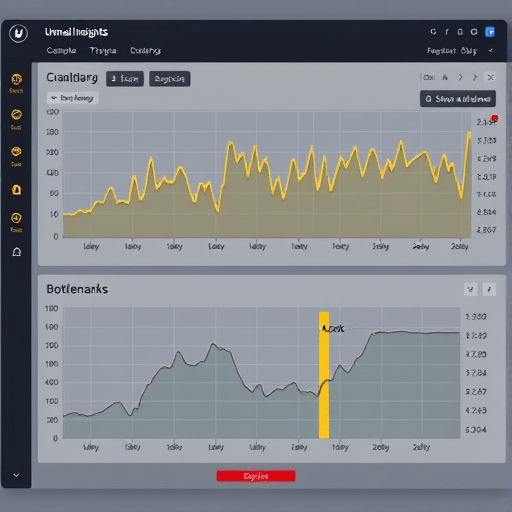
Traditionally, publishers have relied on intuition or past case studies to decide between a battle pass or a subscription. Today’s data tools—real‑time analytics dashboards, cohort analyses, and predictive modeling—provide actionable insights that were once impossible to capture. Here’s why data should be your North Star:
- Player Retention Trends: Track how long players stay active after a season drop‑off or subscription renewal.
- Revenue Attribution: Allocate earnings from in‑game items, cosmetics, and season passes to specific acquisition channels.
- Churn Predictors: Identify which segments are most likely to drop out if a battle pass ends or a subscription lapses.
- Behavioral Feedback Loops: Measure in‑game actions (e.g., time spent on maps, purchase frequency) to refine content pacing.
1. Battle Pass Economics: Seasonality, Scarcity, and Hooking Players
A battle pass typically runs for 8–12 weeks, offering tiered rewards that unlock as players earn experience points (XP). The model leverages:
- Scarcity: Limited‑time rewards create urgency.
- Progression Hook: Daily quests and streak bonuses keep players logging in.
- Micro‑Revenue Streams: Cosmetic skins, weapon blueprints, and exclusive emotes generate incremental sales per pass.
However, the seasonal nature means revenue spikes and valleys. To gauge its effectiveness, studios should track:
- Seasonal Lifetime Value (SLTV): Revenue per player during a season minus acquisition costs.
- Conversion Rates: Percentage of free players who purchase a pass.
- Average Order Value (AOV): How much players spend per pass.
When a battle pass consistently pulls high SLTV and maintains a low churn rate post‑season, the model is proving its worth.
2. Subscription Models: Predictable Revenue and Long‑Term Engagement
Subscriptions, whether monthly or yearly, offer players a continuous stream of content and perks—often including:
- Exclusive Season Passes: Subscribers get early access or bonus tiers.
- In‑Game Currency Boosts: Monthly allocations that encourage spending.
- Community Perks: Subscriber-only Discord roles or in‑game events.
Key metrics to assess subscription viability include:
- Monthly Recurring Revenue (MRR): The sum of all active subscription fees.
- Retention Cohorts: How many subscribers renew month over month.
- Customer Acquisition Cost (CAC) vs. Lifetime Value (LTV): Ensuring the LTV surpasses CAC by a healthy margin.
Subscription models shine when a game’s community values constant content releases and when players feel a sense of belonging that a seasonal pass may not provide.
3. Player Segmentation: One Size Does Not Fit All
Data reveals that FPS audiences are highly heterogeneous. Segmenting players allows studios to tailor the right monetization strategy for each group:
Core Competitive Players
These players invest heavily in skins, weapon upgrades, and seasonal progression. Battle passes often resonate due to the competitive incentive to earn the rarest items. Metrics such as XP earned per hour and skin unlock frequency can identify this cohort.
Casual Social Players
Socially oriented gamers value community perks and aesthetic expression over competitive rewards. Subscriptions that offer subscriber-only emotes or chat badges tend to perform better here. Monitor chat activity and group play frequency to spot this group.
Early‑Bird Content Fans
These players chase new content as soon as it drops. They can be converted into subscription holders if the game releases early access content for subscribers. Track first‑drop engagement and content consumption rates to validate this approach.
4. Hybrid Models: Combining Battle Passes with Subscription Incentives
Many leading FPS titles are experimenting with hybrid models that blend the excitement of battle passes with the stability of subscriptions. Here’s how to structure it:
- Base Subscription: Provides monthly access to a rotating content library and a small in‑game currency stipend.
- Seasonal Battle Passes: Offer exclusive rewards that unlock for subscribers first, then for all players in the second half of the season.
- Subscriber Tiers: Introduce multiple tiers (e.g., bronze, silver, gold) that unlock progressively richer content or faster XP gains.
Use A/B testing to compare revenue per user between pure battle pass, pure subscription, and hybrid scenarios. Key performance indicators (KPIs) include user churn rate, average revenue per user (ARPU), and content utilization rate.
5. Predictive Analytics: Forecasting Revenue and Player Behavior
Integrating machine learning models can anticipate player churn and revenue dips. Consider:
- Churn Prediction Models: Use features like login frequency, in‑game purchase history, and social engagement to forecast who will leave after a season.
- Revenue Forecasting: Combine historical data with upcoming content pipelines to project MRR and SLTV for future seasons.
These insights allow proactive adjustments—such as increasing early rewards or offering discount coupons—to keep players engaged and revenue stable.
6. Community Feedback Loops: Harnessing Voice and Data Together
Quantitative data can be enriched with qualitative insights from community forums, social media sentiment, and in‑game surveys. Implement a continuous feedback loop:
- In‑Game Polls: Ask players which rewards they find most appealing.
- Sentiment Analysis: Monitor Reddit, Discord, and Twitter chatter for spikes in dissatisfaction around pricing or reward pacing.
- Feature Adoption Tracking: Measure how many players use new subscription perks versus battle pass items.
Combining these signals with hard data ensures that monetization decisions align with player expectations and maximize satisfaction.
7. Case Study Snapshot: FPS Title X Implements a Data‑Driven Hybrid Approach
Title X, a mid‑tier FPS released in 2024, historically relied on a battle pass model. Facing declining SLTV and high churn, the studio pivoted to a hybrid model in 2025 after a detailed data audit:
- Data Insight: 68% of their top 10% players were subscribers but only 12% of the rest engaged with the battle pass.
- Action: Introduced a monthly subscription that granted early access to battle pass content and a monthly currency stipend.
- Result: Within two seasons, MRR grew by 27%, churn dropped by 18%, and ARPU increased by 15% compared to the previous season.
Internal discussions highlighted the importance of aligning monetization tiers with player value perception—a lesson that can inform any FPS’s strategy.
8. Legal and Ethical Considerations
Data‑driven monetization must respect player privacy and comply with regulations such as GDPR and CCPA. Key practices include:
- Transparent Data Policies: Clearly communicate how player data informs pricing or content decisions.
- Opt‑In Analytics: Allow players to control the extent of data collection.
- Fair Pricing: Avoid predatory pricing strategies that exploit player segments.
Adhering to ethical standards not only safeguards players but also protects studios from legal backlash and reputational damage.
9. Next Steps for Your Studio
1. Collect Baseline Metrics: Establish KPIs for SLTV, churn, MRR, and engagement before making changes.
2. Segment Your Player Base: Use clustering algorithms to identify distinct player personas.
3. Test Hybrid Options: Deploy A/B tests comparing battle pass only, subscription only, and hybrid models.
4. Iterate Based on Data: Refine pricing, reward pacing, and subscription tiers monthly.
5. Maintain Feedback Loops: Combine analytics dashboards with community sentiment to stay ahead of trends.
By following this structured approach, FPS developers can confidently choose the monetization model that maximizes revenue while keeping players engaged and satisfied.
Conclusion
In the evolving landscape of FPS monetization, battle pass and subscription models are no longer mutually exclusive. When guided by robust data—player behavior, revenue patterns, and community sentiment—developers can craft hybrid strategies that deliver predictable revenue streams, high player retention, and an experience that feels fair and rewarding. The key lies in continuously measuring, testing, and iterating until the model aligns with both business goals and player expectations.