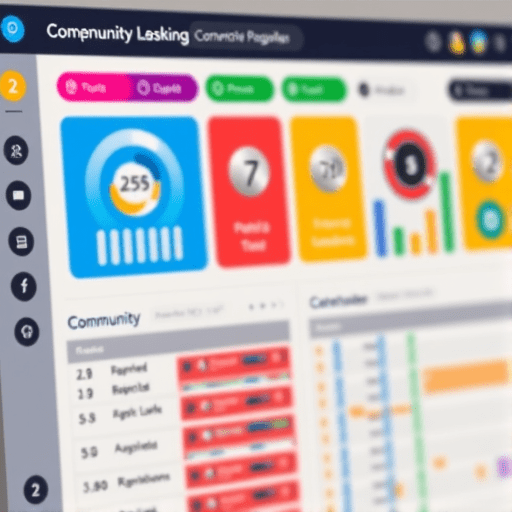
In the fast‑moving world of competitive gaming, toxic behavior can derail a clan’s morale and reputation in minutes. Traditional moderation tools—mute, ban, or ticket systems—often react too late. Enter gamified reputation scores: a proactive, incentive‑driven approach that turns every player’s conduct into a measurable asset. By awarding points, issuing badges, and enabling peer review, clans can reward constructive behavior, spotlight bad actors early, and create a culture of accountability that feels like part of the game itself.
Why Gamification Matters in Clan Management
Gamification leverages the same psychological levers that keep players engaged: progression, recognition, and competition. In a clan context, these levers translate into:
- Immediate Feedback – Players see the impact of their actions on their reputation score in real time.
- Visible Social Proof – Badges and leaderboards let teammates gauge trustworthiness at a glance.
- Community Ownership – Peer review empowers members to police themselves, reducing reliance on a handful of moderators.
When a system rewards kindness and penalizes harassment in a transparent way, toxic players gradually lose the influence that fuels their behavior.
Designing a Reputation Score That Works
Creating a balanced reputation system requires careful mapping of desirable and undesirable behaviors to point values. Below is a framework that clans can adapt to their play style.
1. Defining the Core Actions
Start by listing actions that align with the clan’s values. For example:
- “Help a teammate find the objective” – +10 points
- “Share a useful strategy” – +5 points
- “Use profanity in chat” – –15 points
- “Throw a match intentionally” – –30 points
- “Report a teammate for harassment” – +5 points (after verification)
Assigning positive and negative values turns everyday interactions into a scoreboard.
2. Implementing a Badge System
Badges act as visual milestones that reinforce good behavior. Consider a tiered badge structure:
- Bronze Helper – 100 points earned by supportive actions.
- Silver Strategist – 250 points with consistent strategic sharing.
- Gold Peacemaker – 500 points, earned by mitigating conflicts and reducing teammates’ toxicity.
- Platinum Mentor – 1000 points, reserved for those who consistently maintain high reputation scores over months.
Badges should be displayed on profiles and can unlock in‑game perks like extra voice chat slots or custom emotes.
3. Peer Review Mechanics
Peer review adds a human dimension to automated scoring. Clans can adopt a simple “thumbs up/down” system after each match, or a more detailed post‑match survey. Key principles:
- Anonymous voting to prevent retaliation.
- Weighted scoring where frequent reviewers carry more influence.
- Automatic adjustment for false positives: if a player’s reputation drops drastically due to a single negative review, the system flags the case for moderator review.
This democratic layer keeps the system honest and community‑driven.
Integrating Reputation Scores Into Daily Clan Life
Gamified scores should feel like a natural part of the gaming experience, not an external overlay. Here are practical integration points:
Matchmaking and Team Composition
Use reputation scores to inform team balance. Players with higher scores can be matched with lower‑score teammates to mentor them, fostering a “buddy system.” Conversely, a cluster of low‑score players could be temporarily grouped together to avoid toxic escalation.
Clan Events and Challenges
Organize monthly challenges that reward high reputation contributors. For instance, a “Most Helpful Player” award could offer an in‑game cosmetic item or a free subscription to the clan’s premium tier.
Leaderboards and Public Recognition
Publish weekly leaderboards showcasing the top 10 reputation earners. Make the data available in the clan’s Discord channel or game lobby. Visibility amplifies motivation and accountability.
Dynamic Role Assignments
Let high‑score members take on leadership roles—raid captains, strategist leads, or mentor positions—while lower‑score members focus on learning. This aligns responsibility with reputation, encouraging growth.
Addressing Potential Pitfalls
Even well‑designed systems can falter if not carefully monitored. Watch out for the following issues:
Score Inflation and “Fake” Goodness
Players may flood the system with harmless positive actions to inflate their score. Mitigate this by capping points per match or requiring verifiable achievements (e.g., a teammate’s win percentage improvement).
Harassment Through Badges
Badges can become status symbols that some players flaunt, inadvertently creating a new form of elitism. Regularly review badge criteria and consider rotating designs to keep the focus on behavior, not status.
Data Privacy Concerns
Collecting review data requires transparency. Ensure that players know how their data is used and provide opt‑out options if necessary. Anonymize peer reviews to protect privacy.
Case Study: A Mid‑Tier MOBA Clan’s Transformation
Take “Dragon‑Riders,” a mid‑tier MOBA clan with 200 active members. Prior to implementing a gamified reputation system, they reported a 35% toxicity rate during ranked matches. After launching a points‑and‑badge framework with peer reviews, the clan observed:
- Reduction in toxic chat incidents by 58% within three months.
- Increase in match win rates for high‑score players by 12% (likely due to better teamwork).
- Higher engagement on the clan’s Discord, as players discussed strategies and reviewed each other’s conduct.
These metrics underscore how reputation scores can translate into tangible performance gains.
Future‑Proofing Your Reputation System
As gaming evolves—think AI‑driven matchmaking, virtual reality, and cross‑platform play—your reputation system should adapt:
- AI‑Assisted Moderation – Use natural language processing to flag toxic language before peer review kicks in.
- Cross‑Platform Consistency – Ensure that scores carry over between PC, console, and mobile to maintain a unified community.
- Gamified Learning Modules – Offer short in‑game tutorials that reward players for completing them, reinforcing positive behavior from the start.
By staying flexible, clans can keep their reputation systems relevant as new game mechanics and social dynamics emerge.
Conclusion
Gamified reputation scores turn every interaction into an opportunity for positive reinforcement. By carefully mapping actions to points, rewarding with badges, and empowering peer review, clans can proactively reduce toxicity, enhance teamwork, and build a healthier community. The key lies in transparency, fairness, and continuous refinement—ensuring that the reputation system remains a genuine extension of the gaming experience rather than a policing tool. With thoughtful design, clans can turn toxic traits into the rare, valuable asset of respect and cooperation.