When most remote workers picture their ideal base for the year ahead, they still picture Bali: scooters, surfboards, and smoothie bowls. But a shift is underway, and Slovenia is emerging as the unlikely frontrunner. From lightning-fast EU connectivity and a newly streamlined digital nomad visa to a lifestyle that blends alpine hiking with Mediterranean dips, Slovenia offers something Bali no longer can: a serious long-term infrastructure for location-independent professionals. This is why the small Alpine nation is becoming the digital nomad capital of 2026.
The Numbers Behind Slovenia’s Sudden Rise
Ljubljana’s coworking scene has tripled in size since 2022, and the capital now hosts more than 25 dedicated spaces, from the riverside BCNF Ljubljana to the design-forward Impact Hub. Monthly coworking memberships average around €120, and dedicated desks can be found for €180 to €220 in the city center. By comparison, Ubud’s prime coworking rates now exceed €250 for a hot desk, often with slower fiber and frequent power cuts.
Rent is the second shock. A modern one-bedroom apartment in Ljubljana’s city core ranges from €650 to €900, while Lake Bled, Lake Bohinj, and the coastal town of Koper all offer furnished monthly rentals between €750 and €1,100. Add a tax-residency option under the new non-habitual residence framework, and Slovenia’s financial appeal becomes hard to ignore for freelancers earning in dollars, pounds, or euros.
A Visa Built for Remote Workers, Not Tourists
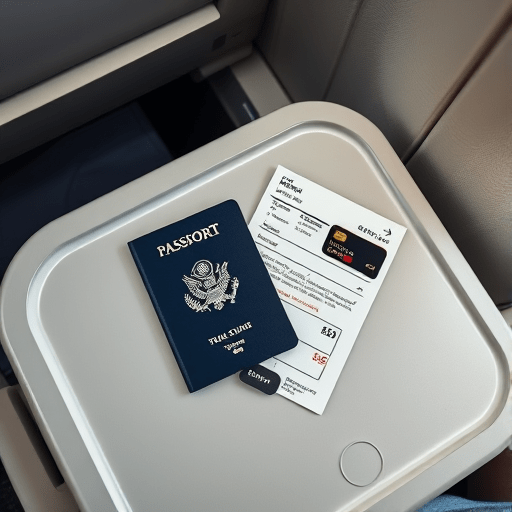
Slovenia officially launched its dedicated digital nomad permit in late 2024, and the 2025 amendments made it one of the smoothest in the EU. Applicants need proof of remote employment or freelance income of at least roughly €3,300 per month, valid health insurance, and a clean criminal record. The permit is issued for one year and is renewable, and dependents can join under a single application.
What sets Slovenia apart from Portugal, Estonia, or Spain is speed. Most approvals are processed within 30 days, and the entire application can be filed through a single administrative portal. Holders also gain access to Slovenia’s public healthcare system after three months, a benefit that has become a major draw for families who previously chose Southeast Asia purely for affordable private care.
Connectivity That Quietly Outperforms the Rest of Europe
Ljubljana ranks among the top ten European capitals for fixed broadband speed, with average fiber connections exceeding 500 Mbps in central districts. Mobile 5G coverage extends across nearly all populated areas, including smaller hubs like Maribor, Celje, and Nova Gorica. For nomads running cloud-based workflows, video calls, or large file transfers, this consistency is a daily quality-of-life upgrade.
Public Wi-Fi is also widespread. Libraries, transit hubs, and even smaller cafés in towns like Piran and Bled participate in a national free-network scheme.
The Lifestyle Factor: Alps, Adriatic, and Everything Between
Slovenia packs an unusual amount of geographic variety into a country the size of New Jersey. Within a 90-minute drive from Ljubljana, nomads can:
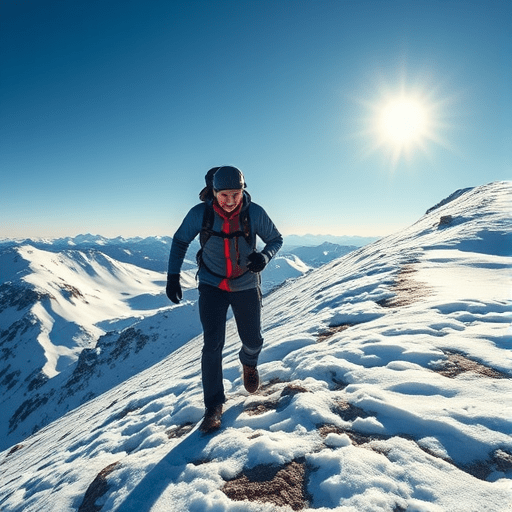
- Ski in the Julian Alps during winter mornings
- Swim in the Adriatic Sea after lunch on the coast
- Soak in thermal springs at Terme Olimia or Čatež on weekends
- Hike the Soča Valley or Triglav National Park trails
- Explore the wine regions of Goriška Brda and the Karst
For digital nomads who previously had to choose between Bali’s beaches, Lisbon’s coast, or Medellín’s mountains, Slovenia compresses all three into a single low-cost base.
Safety, Healthcare, and the “Boring” Advantages
Slovenia consistently ranks in the top ten of the Global Peace Index, and violent crime against foreigners is exceptionally rare. Healthcare is modern, affordable, and accessible, with English widely spoken among medical professionals in larger cities. Pharmacies are well-stocked, mental health services are available without long waits, and pharmacies often remain open late.
For parents, the country’s public school system is a quiet superpower. International kindergartens and primary schools in Ljubljana cost between €300 and €600 per month, a fraction of equivalent options in Dubai, Singapore, or Lisbon.
A Growing, Diverse Nomad Community
Unlike the more transient Bali scene, Slovenia’s nomad population is increasingly long-term. Communities like NomadGate, Ljubljana Digital Nomads, and several Slack and Discord groups host weekly meetups, skill-shares, and hiking excursions. Local events such as the annual Week of Workations and seasonal Nomad Fest Slovenia are creating a self-sustaining ecosystem rather than a tourist-only bubble.
This community depth matters. Loneliness remains the number-one challenge for remote workers globally, and Slovenia’s smaller scale makes it easier to form genuine professional and personal networks within weeks rather than months.
Practical Hurdles Worth Knowing
No destination is perfect, and a balanced view helps. The most common challenges nomads report in Slovenia include:
- Winter daylight is short, especially in mountain regions
- Slovenian language, while easy to learn, is essential for bureaucracy outside major cities
- Public transport outside Ljubljana can be infrequent, making a car useful for exploring
- Restaurant prices, while reasonable by EU standards, are higher than in Southeast Asia
- Summer tourism in Bled and Piran can briefly inflate short-term rental prices
For most nomads, these are minor trade-offs compared with the long-term stability and EU access Slovenia provides.
How Slovenia Compares to Bali in 2026
| Factor | Bali | Slovenia |
|---|---|---|
| Monthly cost (mid-range) | €1,800–€2,400 | €1,500–€2,100 |
| Average fiber speed | 40–80 Mbps | 300–500 Mbps |
| Visa length | 6 months (B211A) | 12 months, renewable |
| Healthcare access | Private only | Public after 3 months |
| Time zone for EU/US clients | 7–12 hour offset | 0–6 hour offset |
| Long-term residency pathway | Limited | EU options available |
The time-zone advantage alone is reshaping where European and North American companies source remote talent. A nomad in Ljubljana can join a London team meeting at 9 a.m. and still log off in time for a sunset hike.
Best Places to Base Yourself
While Ljubljana is the obvious hub, several secondary locations are quietly attracting remote workers in 2026.
Ljubljana
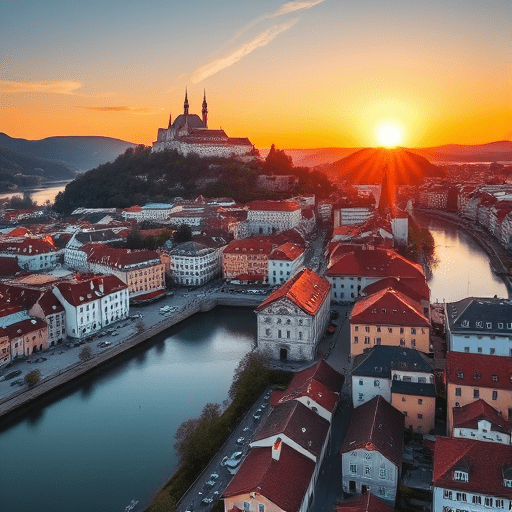
The capital offers the largest coworking scene, the strongest rental market, and the most English-speaking support services. Best for first-time Slovenia nomads.
Maribor
Slovenia’s second city is cheaper, more relaxed, and surrounded by wine country. Ideal for nomads seeking a quieter lifestyle with a 90-minute train to Vienna.
Bled and Bohinj
Lake-based living with reliable fiber in newer developments. Perfect for nature-focused nomads who want alpine calm without sacrificing connectivity.
Koper and Piran
Coastal living on the Adriatic with Italian cultural crossover. Slightly warmer winters and a growing number of boutique coworking spaces.
Nova Gorica
Slovenia’s new European Capital of Culture in 2025, paired with ultra-low rents and proximity to Italy. A rising option for budget-conscious nomads.
Conclusion
Slovenia’s rise as a digital nomad capital is not a passing trend but the result of deliberate policy, infrastructure investment, and a lifestyle offering that few countries can match at this cost level. For remote workers in 2026 who want EU residency rights, world-class connectivity, genuine community, and four-season outdoor access, Slovenia has quietly built the most compelling base in Europe, and arguably the world.