If you’ve ever stood at the baggage carousel watching the conveyor belt churn out someone else’s suitcase for the third time in a row, you already know that packing for travel isn’t really about what you bring. It’s about how confidently you can move through an airport when nothing goes according to plan. After twelve trips in a single year using a modular set of compression packing cubes that cost less than a checked bag fee, I can say with certainty: a smart packing cube system under $50 is the single highest-return travel purchase you can make.
What started as a casual experiment with a basic set of zippered organizers turned into a complete rethinking of how I pack, repack, and survive long-haul travel. The cubes I tested aren’t luxury gear. They’re a system, and the difference matters more than the brand on the tag.
Why a $50 Packing Cube System Beats Fancy Luggage
There’s a temptation to solve travel stress with bigger suitcases, premium carry-ons, or expensive hard-shell bags. The trouble is that adding more capacity often means adding more weight, more decisions at security, and more chances for things to shift, wrinkle, or vanish inside an oversized bag.
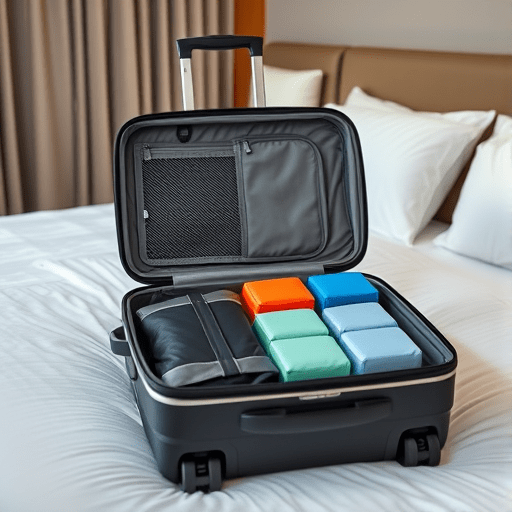
A modular compression cube system flips that logic. Instead of treating your suitcase as a void to be filled, it treats your bag as a series of organized compartments. Each cube is sized to a specific clothing category, each one compresses independently, and each one is easy to lift out, swap, or hand to a customs officer if they want a quick peek.
The real value shows up in three places:
- Speed at security: Laptops, liquids, and jackets lift out in seconds instead of digging through layers.
- Survival at the carousel: If your bag is delayed, you don’t unpack your entire life in the hotel. You unpack one cube at a time.
- Repacking on the move: Dirty clothes go into a dedicated cube. Clean clothes stay clean. No more mystery socks.
The Modular Setup I Used Across 12 Trips
My travel pattern during the test year included a mix of two-day conferences, week-long family visits, two international trips, and one chaotic three-city tour across different climates. The cube system had to flex for all of it.
Here’s the actual kit:
- Two large compression cubes for pants, sweaters, and bulkier layers
- Three medium cubes for shirts, underlayers, and casual wear
- One small cube for underwear and socks
- One slim “tech” pouch for cables, chargers, and adapters
Total cost: about $48 including shipping. Total weight when empty: roughly the weight of a paperback novel. The cubes were made from a ripstop nylon weave with a two-way zipper that allowed genuine compression rather than just a tight squeeze.
How the Compression Actually Works
Compression packing cubes use a wraparound zipper that, once closed, lets you push air out through a one-way valve or a simple squeeze. The result is that thick sweaters flatten by about a third, and jeans stop fighting for space with jackets. On a typical one-week trip, I went from a bulging carry-on to a bag that still had room for a souvenir or a bottle of wine.
The biggest surprise was how much easier it made moving between hotels. Instead of living out of a suitcase, I lifted out three cubes, set them on a shelf, and treated the hotel like an actual room with drawers. On the morning of checkout, everything went back in the same order it came out.
What 12 Trips Actually Proved
Travel habits can fool you after one or two trips. Twelve is enough to see patterns. Here’s what the data, such as it was, actually showed.
1. Checked Bag Fees Disappeared
Because the compression cubes made it possible to fit a full week of clothing into a standard carry-on, I stopped checking bags entirely for trips under eight days. At an average airline fee of $35 each way, that added up to over $800 saved across the year, more than fifteen times the cost of the cube system.
2. Security Lines Got Faster
One of the underrated wins of cubes is that they turn a suitcase into a filing system. Laptop in its own pouch. Toiletries in their own pouch. Jacket on top. On every trip, I cleared the bin area in under a minute, and on three occasions I was thanked by TSA agents who seemed genuinely relieved.
3. Lost Bag Anxiety Went to Zero
Without a checked bag, there is no lost bag scenario. That single change transformed how I approached connecting flights, layovers, and tight transfers. I no longer avoided short connections. I no longer carried spare underwear in my personal item “just in case.” The mental overhead of travel dropped measurably.
4. Repacking Mid-Trip Became Trivial
On the three-city tour, I had to shift gear twice. Instead of repacking the whole bag, I swapped a “summer” cube for a “cooler climate” cube, lifted them between bags, and moved on. The total repack time was under four minutes each time.
The Hidden Costs of “Cheap” Luggage
It’s worth pausing on the bigger picture. The travel industry loves to upsell bags with built-in chargers, GPS trackers, and hard shells rated to survive a tornado. Some of those features are useful. Many are not.
What gets overlooked is that the inside of the bag is where the real organization happens. A $300 suitcase with no internal structure behaves like a $60 duffel the moment you put clothes inside it. Cubes give you that internal structure for a tiny fraction of the cost, and they’re transferable. The cubes I used moved between a backpack, a rolling carry-on, and a rental car trunk without any modification.
What to Look for in a Modular Cube System
Not all packing cubes are created equal, and the cheap mesh sets at big-box stores often disappoint within a few trips. After twelve flights, here’s what I learned to look for.
- Wraparound compression zippers: Standard zippers compress nothing. Look for a two-way or U-shaped zipper that lets you expel air.
- Ripstop fabric: Nylon with reinforced stitching holds up to overpacking and rough handling by baggage systems.
- Mixed sizes: A one-size cube set forces you to fold things wrong. You need at least three sizes to handle real wardrobes.
- Color or label coding: Tired travelers mix up cubes. A simple color tag or different fabric color per category prevents chaos.
- Lightweight construction: Each cube should weigh under 3 ounces empty. Heavy fabric defeats the purpose.
Sets that meet these criteria generally land in the $40 to $60 range, and almost any of them will outperform premium luggage that lacks internal organization.
Who This System Works Best For
This kind of modular setup isn’t for everyone, and it’s worth being honest about that. If you travel once a year with a giant suitcase full of gifts, cubes will feel like extra hassle. If you’re a carry-on loyalist, a digital nomad, a business traveler doing short hops, a parent trying to keep family clothes sorted, or anyone who has ever missed a connection because of a checked bag, this approach pays off quickly.
It also helps travelers who don’t know what their trip will look like. The modular nature of the system means you can shift from a work trip to a hiking weekend by swapping two cubes. That flexibility is hard to put a price on.
The Takeaway After a Full Year
Twelve trips later, the cube system is the only piece of travel gear I replaced with the exact same product. Everything else in my kit has been swapped, upgraded, or abandoned. The cubes just keep working.
The honest lesson from a year of testing is that travel stress rarely comes from the destination. It comes from the airport, the bag, and the small frictions that multiply when you’re tired. A well-designed packing cube system attacks those frictions directly, costs less than a single checked bag fee, and works in any suitcase you already own. For travelers in 2026 juggling packed schedules, unpredictable weather, and rising airline charges, that’s a rare combination of cheap, smart, and quietly transformative.