
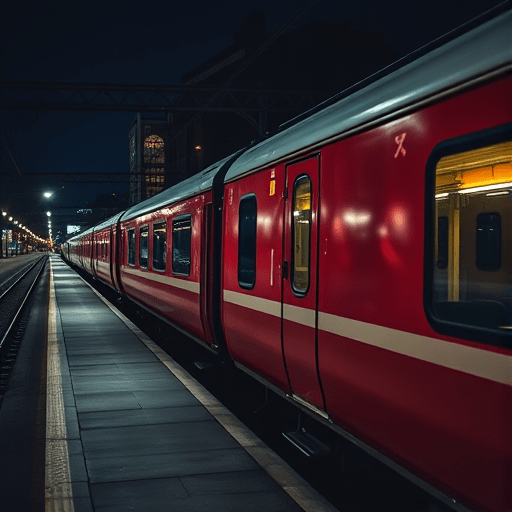
Sleeper trains are quietly staging a comeback across Europe, and savvy travelers are already planning their 2026 adventures around overnight rail. Since 2023, six standout routes have been revived or relaunched, turning what was once a nostalgic memory into a practical, affordable way to cross borders. Whether you want to wake up in the fjords of Norway, the vineyards of Austria, or the canals of Venice, the new wave of night trains offers something the budget airline era never could: a journey that is part of the trip itself. This guide covers the six routes worth booking now and shares insider tactics for locking down the cheapest lower-berth fares.
Why European Night Trains Are Surging Again
The relaunch wave is driven by three forces: a continental push to cut short-haul flights, updated European booking platforms that make reservations painless, and a new generation of rolling stock with proper compartments and private bathrooms. In 2026, sleeper rail is no longer a quirky throwback; it is a mainstream option for travelers who want to save on hotels while reducing their carbon footprint.
Operators like ÖBB (Austrian Federal Railways), SJ (Sweden), and the cross-border consortium European Sleeper are investing in refurbished carriages, while startups are filling gaps in routes the big state carriers once abandoned.
The Booking Boom by the Numbers
- Overnight train bookings across the EU rose by more than 40 percent between 2023 and 2025.
- Lower-berth compartments, traditionally the cheapest private option, now sell out weeks ahead during summer and around major holidays.
- Mobile apps have replaced paper tickets, but the most competitive fares still appear on national operator sites first.
Six Routes Worth Booking Right Now
Each of these routes has been relaunched or significantly upgraded since 2023. They run through 2026 on regular timetables, and each offers a distinct flavor of European night travel.
1. Brussels to Berlin (European Sleeper)
Reintroduced in 2023 by the Dutch-Belgian startup European Sleeper, this overnight service links Brussels, Antwerp, Rotterdam, Utrecht, and Amsterdam to Berlin, with onward connections to Prague and Warsaw. The route uses refurbished 1990s Dutch carriages, and lower berths include a private compartment with washbasin, fresh linens, and a small breakfast served at your seat. The 10-hour ride departs Brussels in the early evening and arrives in Berlin Mitte around breakfast time.
2. Stockholm to Hamburg (SJ EuroNight)
Sweden’s state operator SJ relaunched its direct Stockholm to Hamburg service in 2024 after a decade-long absence. The train crosses the Baltic via the restored Trelleborg to Rostock ferry link, allowing passengers to stay in their cabins while the carriages are loaded onto the ship. The journey is roughly 13 hours, and lower berths in the new compartments include USB outlets, blackout curtains, and access to a shared shower car.
3. Zurich to Amsterdam (Nightjet)
Austrian operator ÖBB extended its Nightjet network in 2023 to include a direct overnight service from Zurich to Amsterdam via Basel, Cologne, and Utrecht. This route has become one of the most popular in the network because it connects Switzerland directly to the Netherlands without a daytime transfer. Lower-berth cabins are compact but modern, with adjustable lighting and a private sink.
4. Vienna to Venice (Nightjet)
Nightjet’s Vienna to Venice sleeper returned in 2024 on a faster, more frequent schedule with new rolling stock. Departing Vienna Hauptbahnhof in the late hours, the train rolls through the Austrian Alps and reaches Santa Lucia station in Venice by mid-morning. The route is a favorite among travelers heading to the Veneto region because lower berths cost less than a single hotel night in central Venice.
5. Paris to Berlin (European Sleeper, returning service)
European Sleeper added a Paris to Berlin leg in 2025, departing Paris North around 8 p.m., rolling through Belgium overnight, and arriving in Berlin by morning. The lower-berth option has been especially popular with French and German travelers because the schedule eliminates a full daytime journey.
6. Innsbruck to Hamburg (Nightjet)
The Tyrolean express route from Innsbruck through Munich and Hannover to Hamburg was upgraded with new carriages in 2024 and now runs year-round instead of only in winter. Lower berths include a small reading light, bottle of water, and access to a bistro car that stays open into the early hours.
How to Snag the Cheapest Lower-Berth Fares
Lower-berth compartments are the most affordable private sleeper option on European night trains, but they are also the first to sell out. The following strategies can help travelers in 2026 secure a bed without paying premium prices.
Book Early Through the National Operator
For Nightjet routes, the best fares appear on the ÖBB ticket portal roughly 90 to 180 days before departure. European Sleeper also opens bookings up to six months ahead. Tickets purchased from third-party platforms like RailEurope or Trainline sometimes add service fees; going direct saves both money and time when changes are needed.
Use a Eurail or Interrail Pass for Flexibility
Most relaunched routes accept Eurail and Interrail passes, and seat reservations for lower berths are usually cheaper than buying a full fare ticket on busy dates. For travelers planning multiple overnight rides in 2026, a Global Pass combined with advance seat reservations is often the lowest-cost option.
Travel Midweek for Lower Prices
Friday and Sunday night departures are the most expensive. Tuesday, Wednesday, and Thursday departures typically have lower-berth availability and noticeably cheaper fares, often 20 to 35 percent less than weekend prices.
Watch for Shoulder Season Deals
Late September, October, and early November are sweet spots for sleeper rail in Europe. Tourist demand drops after the school holidays, but services still run on full timetables. Operators occasionally discount lower berths to keep carriages full, especially midweek.
Set Fare Alerts and Check Refunds
European sleeper operators typically allow free cancellation up to a set date before travel. Setting a fare alert and rechecking the booking page every few weeks can catch price drops, and many operators allow rebooking at the lower fare if the new price is the same class.
What to Expect Onboard in 2026
The sleeper experience has quietly improved. Most relaunched services now include:
- Private compartments with keyed doors, blackout curtains, and climate control.
- USB-C and standard European outlets at every berth.
- Compact shower cars on the Nightjet network and on SJ’s Hamburg route.
- Mobile-friendly digital tickets accepted by conductors across borders.
- Small breakfast boxes or vouchers, often included in the fare.
What has not changed is the social atmosphere in shared couchettes, where solo travelers often swap tips over morning coffee. Lower berths appeal to anyone wanting privacy without paying for a full single compartment, while still getting the comfort of a flat bed and a quiet ride through Europe’s night landscapes.
The Bigger Picture: Where Sleeper Rail Is Heading
European transport policy now treats night trains as a strategic alternative to short-haul flights. Funding from the EU’s Connecting Europe program is supporting additional rolling stock and new cross-border partnerships, and several operators have confirmed that more routes will be added through 2026 and 2027. Expect to see sleeper services connecting Lisbon to Madrid, Munich to Stockholm, and possibly Berlin to Edinburgh as the network continues to rebuild.
For travelers, the message is clear: book early, travel midweek where possible, and use the national operator’s website for the best fares. Night trains are not just a charming idea from the past; they are now the cheapest, most comfortable, and most memorable way to cross Europe while you sleep.


