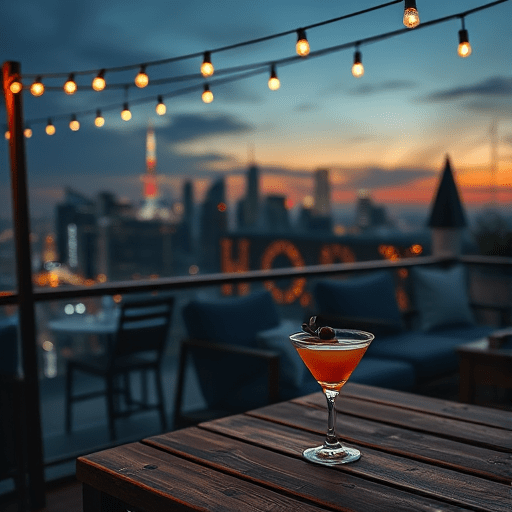
If you have ever stood in a polished hotel lobby wondering where the locals actually drink, you are not alone. Across major cities, a quieter movement is reshaping after-dark culture: low-key rooftop bars tucked behind unmarked doors, and speakeasies disguised as laundromats, bookshops, and dry cleaners. For 2026, the trend has matured beyond novelty into a genuine shift in how people want to socialize, sip, and unwind. Think smaller rooms, less branding, better sound systems, and a stronger sense of place.
This underground map skips the obvious rooftops and dives straight into the venues your favorite bartender friend keeps vague about. Below is a city-by-city guide to the most compelling under-the-radar nightlife spots worth flying for in 2026.
New York: Where the Rooftop Is the Secret
Manhattan’s skyline is loud enough without another rooftop shouting for attention. The new wave favors silence over spectacle. Above a Tribeca recording studio, Studio 54 North hosts a 22-seat terrace open only Thursday through Saturday, with a single mezcal cocktail menu that changes monthly. Entry requires a QR code texted the morning of, and the dress code is “whatever you wore to the studio session.”
In Bushwick, Laundromat Lounge operates behind a functioning coin-op laundromat. Push the third dryer on the left and a panel opens to a 40-person listening bar focused on rare Japanese city pop and Italo disco. Reservations are taken by postcard only.
Mexico City: Rooftops Above the Roma Norte Quiet
Roma Norte has cooled from its Instagram peak, and the rooftops rising in 2026 reflect that. Cielo Comido sits atop a 1940s apartment block with no sign, just a black door and a rooftop garden growing the herbs used in every cocktail. The mezcal negroni here tastes like the building itself: smoky, slow, rooted.
For something more clandestine, El Subterráneo hides beneath a vintage vinyl shop on Álvaro Obregón. The entrance involves a phone call, a password, and descending a spiral staircase built from an old bakery oven. Live cumbia sonidera plays on Wednesdays only.
What Makes a Rooftop Bar “Under the Radar” in 2026
- Capacity under 60 people, often intentionally cramped
- No public Instagram handle, or a private one with curated waitlists
- Drinks built around local ingredients and seasonal shifts
- Music programming by resident DJs with no guest lists
- Word-of-mouth discovery rather than influencer coverage
London: The Return of the True Speakeasy
London’s speakeasy scene has cycled through several waves, and the 2026 edition feels closer to Prohibition authenticity. In Shoreditch, The Wax Cabinet operates behind a working record pressing studio. You enter through a side alley, ring a brass bell, and wait until the host remembers your name or decides you belong.
Over in Marylebone, Attic Above the Butcher serves a seven-cocktail menu inspired by London fogs, each drink arriving with a brief weather report. The room fits ten people, and the bartender will tell you if your palate is suited to the next round before pouring it.
Paris: Cellars, Chimneys, and Quiet Revolution
Paris remains allergic to loud nightlife, which is exactly why its hidden bars feel so rewarding. Sous le Pont occupies a former wine cave beneath the 11th arrondissement, with vaulted ceilings that predate Haussmann. The wine list focuses on forgotten Loire and Jura producers, and the entrance requires knowing which metro exit faces the right courtyard.
On the Right Bank, La Cheminée sits above a chimney sweep shop in the 2nd. The terrace is small enough to feel private, and the cocktails lean toward chartreuse, génépi, and other alpine spirits rarely seen in Paris proper.
Lisbon and Madrid: Iberian Edge
Lisbon’s hills hide more than trams. In Príncipe Real, Fado da Garagem operates from a converted mechanic’s garage, with fado performed nightly by singers who refuse to be photographed. The room seats 25, and the wine is poured in ceramic cups the owner hand-throws in the back.
Madrid’s 2026 scene has matured beyond the Malasaña hype. Azotea del Arquitecto crowns a brutalist apartment block in Chamberí, accessible only through a freight elevator that requires a key borrowed from a local bakery. The gin and tonic program rivals anything in Barcelona, but the view is all Madrid: dry rooftops and cathedral spires glowing at dusk.
Tokyo: Rooftops That Disappear Before Dawn
Tokyo perfected hidden nightlife decades ago, but 2026’s additions lean architectural. Rooftop Zero in Shibuya opens only between midnight and 4 a.m., with no signage and a single chair that rotates between guests. The drink menu is one item: a yuzu highball.
In Shimokitazawa, Bar Tsugumi hides above a used bookstore, with cocktails inspired by the novels shelved below. Order the Murakami and receive a whiskey-based drink served with a short story printed on the receipt.
How to Actually Find These Places
The best hidden bars reward research and patience. Ask bartenders at venues you trust where they go on their nights off. Read local Substacks and zines rather than algorithm-driven travel blogs. Walk residential streets at golden hour and look for doors slightly ajar or rooftops lit but unlabeled. Most importantly, accept that not every venue wants to be found by everyone, and that restraint is part of the appeal.
A Few Ground Rules for Visiting Hidden Bars in 2026
- Respect the dress code, even when it sounds vague
- Avoid filming interiors; many of these places quietly ban phones at the door
- Book ahead when possible, but understand that walk-ins shape the vibe too
- Tip generously, especially when the bartender remembers your drink
- Do not share addresses in public forums; these venues thrive on discretion
The Cultural Shift Behind the Trend
Hidden bars are not simply a reaction to overcrowded main streets. They reflect a broader desire for nightlife that feels intentional rather than performative. Younger drinkers want rooms where the conversation is louder than the playlist, where the bartender knows the winemaker, and where the rooftop offers a view of the city rather than a backdrop for selfies. As cities grow denser and more surveilled, small, semi-private spaces feel like a quiet form of resistance.
This shift is also tied to economic reality. Many of these venues operate with fewer than 50 covers a night, allowing them to pay staff fairly, source better ingredients, and stay open without selling out to corporate beverage groups. The result is a more sustainable, more human scale of nightlife.
What to Watch Through the Rest of 2026
Expect more rooftops opening above clinics, warehouses, and cultural centers. Expect speakeasies themed around specific eras, professions, and obsessions. Expect a return of the listening bar as a serious format, especially in cities with strong jazz, classical, and electronic traditions. Most of all, expect the map to keep shifting. A venue whispered about today may close quietly in six months, replaced by something even more obscure. That is the nature of the underground: it moves.
The best nights in 2026 will not come from a listicle. They will come from a door someone trusts you enough to mention, a rooftop you stumble onto after a long walk, or a bartender who decides you are worth one more round. Bring patience, leave the phone in your pocket, and let the city reveal itself.