Designing a Pet Battler battle pass that feels generous is less about throwing more loot at players and more about reshaping how every tier lands. As live-service fatigue pushes studios toward fairer monetization models in 2026, the smartest teams are rethinking tier pacing, reward visibility, and the emotional arc of progression. This guide breaks down a retention-first framework for crafting battle pass tiers players actually want to claim, without sacrificing long-term engagement or revenue health.
Why Generosity Has Become a Competitive Advantage
Players today can spot a thinly disguised grind wall within the first ten levels of a battle pass. The era of padding tiers with filler icons and duplicated resources is fading, replaced by audiences who expect meaningful progression regardless of whether they spend. Generous design is no longer a marketing angle; it is a retention strategy. When players feel respected by the reward structure, they return longer, engage deeper, and recommend the game more often.
This shift is especially important in the Pet Battler genre, where the core loop revolves around collection, customization, and team experimentation. Players need incentives that reinforce why they log in, not just reasons to keep clicking.
The Psychology of Tier Pacing
Tier pacing is the invisible backbone of every successful battle pass. Most failed designs share a common flaw: too many low-value rewards clustered at the bottom, followed by a steep climb before anything exciting appears. Players notice this pattern almost immediately and label the pass as greedy.
The Three-Arc Reward Curve
A generous pass follows a three-arc reward curve:
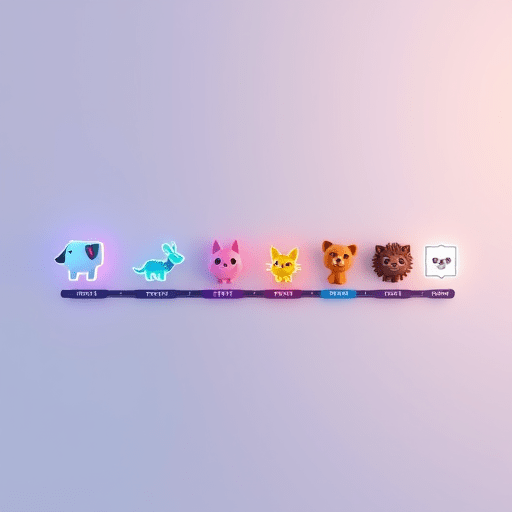
- Front-loaded discovery (tiers 1-15): High-impact rewards appear early, including a signature pet skin, a usable consumable, or a meaningful currency drop. This signals value immediately.
- Mid-pass momentum (tiers 16-60): A consistent rhythm of meaningful rewards, never more than three tiers apart. Players should always see something they want within a short horizon.
- Climax and coda (tiers 61-100): A prestige or legacy-tier capstone that rewards completionists, paired with bonus rewards for players who finish early.
This arc respects the player’s time while preserving the satisfaction of working toward an end goal.
Reward Variety Beats Reward Volume
A common mistake in Pet Battler battle passes is over-relying on a single reward type. If every tier is currency, the pass becomes a spreadsheet. If every tier is a cosmetic, the pass becomes overwhelming. Generous design uses a balanced reward buffet that aligns with player motivations.
The Four Reward Pillars
- Collection rewards: New pets, regional variants, or rare evolutions that expand the player’s roster.
- Customization rewards: Skins, dyes, battle effects, and arena flourishes.
- Functional rewards: XP boosts, breeding accelerators, or inventory expansions that improve quality of life.
- Prestige rewards: Titles, badges, and exclusive emotes that signal dedication.
Mixing all four throughout the pass ensures that collectors, competitive players, and casual fans each find something tailored to their playstyle.
Removing the Fear of Missing Out
One of the most effective ways to make a battle pass feel generous is to reduce the friction around missed seasons. Forced exclusivity has grown unpopular, especially with working adults who cannot keep up with a 12-week grind. Forward-thinking Pet Battlers are experimenting with several retention-friendly approaches:
- Bonus catch-up weeks: Extending the pass window slightly for players who purchased late.
- Legacy cosmetic reruns: Bringing back popular skins after two or three seasons, so players do not feel punished for skipping.
- No-paywall progression: Allowing all players to reach max tier, even if premium rewards remain exclusive.
These changes do not tank revenue; they increase trust, which is the real currency of long-term retention.
Visualizing Progress Without Pressure
UI choices play a massive role in how generous a pass feels. A cluttered or manipulative progress bar can sour even the best-designed reward list. The goal is clarity, not coercion.
Generous UI Principles
- Show the next three rewards on the track at all times, not just the immediate one.
- Display estimated time to next tier based on current activity, but never use alarming color cues.
- Let players preview premium rewards without obscuring them behind heavy paywalls.
- Offer a “skip to reward” option for premium pass holders so they never feel trapped in the grind.
Players interpret transparency as generosity. Hidden timers, obscured progress, or locked previews read as the opposite.
Meaningful Choices Inside the Pass
Another retention-first tactic is offering choice within the battle pass itself. Instead of a fixed linear track, give players agency. A small selection of optional branches lets players pick the reward type they care about, whether that is an extra pet, a skin, or a functional upgrade.
This approach works especially well for Pet Battlers because roster building is personal. A player focusing on competitive PvP may value consumables, while a breeder wants XP boosts and rare trait items. Letting players steer the reward type increases perceived value dramatically.
Seasonal Identity Without Overwhelming Scope
Generous battle passes also embrace a focused seasonal theme rather than scattering content across too many systems. A coherent theme, such as a haunted forest, a volcanic biome, or a celestial event, ties pets, skins, and arenas together. Cohesive themes feel curated, while scattered rewards feel like leftover inventory dumps.
Themes also help with marketing. Players remember “the aurora season” or “the deep sea pass” far more easily than they remember a list of unrelated rewards. This nostalgic anchor becomes a retention loop when those themes return later as legacy content.
Soft Monetization That Respects the Player
A generous pass does not mean a free pass. Premium tiers, bundle offers, and tier skips still have a place, but they should never feel manipulative. The most respectful monetization models in 2026 share a few traits:
- Premium tiers buy cosmetics or accelerators, not power.
- Bulk offers are always optional, never flashed across the screen repeatedly.
- Currency pricing is transparent, with no hidden bonuses or limited-time tricks.
- Spending always delivers value, even if the player only buys once per season.
When monetization feels honest, players spend more willingly and churn less.
Measuring Generosity Through Player Behavior
Designers can validate generosity through metrics that go beyond simple revenue per user. Track how many players reach tier 50, tier 75, and tier 100. Monitor pass renewal rates between seasons. Measure sentiment in community forums and review sentiment shifts after each new pass launch.
If completion rates climb, churn drops, and renewal rates stay strong, the design is working. If players complain about filler tiers or skip more seasons than they complete, the pass is failing the generosity test.
Conclusion
A generous Pet Battler battle pass is not about giving everything away. It is about respecting the player’s time, attention, and emotional investment. By pacing rewards thoughtfully, offering variety, reducing FOMO pressure, and letting players choose what matters to them, designers can build a battle pass that players genuinely look forward to each season. The studios that master this balance will define the next era of live-service Pet Battlers, where retention comes from trust rather than tricks.