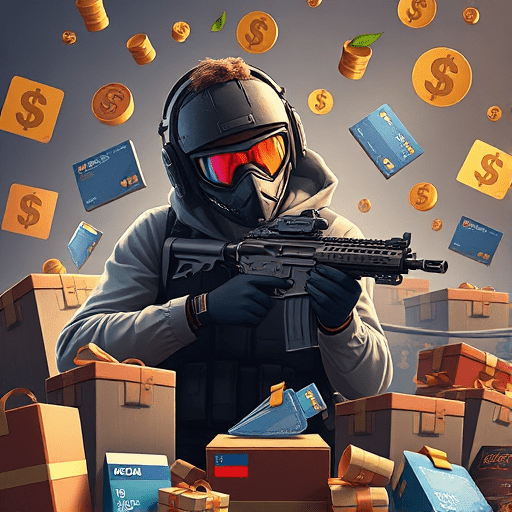
Predatory FPS loot boxes have become a hidden tax on competitive players, turning cosmetic upgrades and progression systems into recurring expenses. In 2026, the most aggressive implementations are no longer limited to isolated incidents: limited-time bundles, randomized rewards, and battle-pass add-ons increasingly overlap, creating a spending cycle that can feel compulsory even when the underlying items have no effect on competitive performance.
The concern is not simply that players buy optional digital items. It is that modern monetization can exploit competitive identity, collection completion, fear of missing out, and the desire to keep a favorite weapon visually current. Understanding how these systems work makes it easier to recognize the pressure, evaluate the real cost, and make spending decisions before a temporary promotion becomes an expensive habit.
What Makes an FPS Loot Box Predatory?
A loot box is a digital container that awards one or more randomized items. In an FPS, those items may include weapon skins, character outfits, emotes, sprays, profile cards, charms, or other cosmetic content. A predatory version adds mechanics designed to increase spending without providing clear information or meaningful limits.
Common warning signs include:
- Undisclosed or difficult-to-find odds: Players cannot easily determine the chance of receiving a desired item.
- Duplicate rewards: Repeated items may have little value, be converted into small amounts of currency, or require further purchases to complete a set.
- Short-lived “exclusive” offers: Countdown timers and limited availability create urgency even when the promotion is not actually scarce.
- Spending tiers: A low-cost purchase is presented as the first step toward a more expensive reward.
- Premium progression systems: A paid pass grants access to rewards that are then unlocked by playing or completing repetitive challenges.
- No reliable spending cap: Players are encouraged to continue buying after repeated losses rather than accept a fixed outcome.
These systems do not necessarily make a game pay-to-win. A skin may not improve accuracy, movement, or reaction time. Nevertheless, a cosmetic-only system can still be financially harmful when it is built around repeated purchases and emotional pressure.
Why Competitive Players Are Especially Vulnerable
Competitive players often spend more time than average in a single game. They learn maps, follow balance changes, practice movement, and invest emotionally in accounts that represent months or years of progress. That level of attachment creates opportunities for monetization systems to feel personal.
A weapon skin is not merely an image to a dedicated player. It can be associated with hours of practice, memorable matches, favorite loadouts, and an online identity. When a publisher promotes a “final chance” to obtain that cosmetic, the offer can trigger a sense of loss unrelated to the item’s utility.
Social comparison adds another layer. Players may see teammates, streamers, or opponents using rare designs and feel that their own account looks outdated. Because the game’s community treats certain skins as status symbols, the pressure to participate can spread even among people who initially considered cosmetics unnecessary.
The Compounding Cost of Bundles, Passes, and Events
One loot box may appear inexpensive, but the cost becomes significant when players participate in several systems during the same season. A player might buy a battle pass, unlock a premium tier, purchase a starter bundle for immediate currency, and then spend additional money on event boxes after exhausting the rewards included with the pass.
This structure creates a financial ratchet effect:
- The player pays for initial access to a progression system.
- Currency earned through play is consumed by randomized rewards.
- Duplicate or unwanted items create a perceived need to continue.
- Limited-time announcements increase the urgency of the next purchase.
- The player justifies the total by focusing on the price of one transaction rather than the cumulative seasonal cost.
The result can resemble a subscription without a fixed monthly price. A player who would never spend a large amount at once may make numerous small purchases over several weeks. The game’s interface may display a low price for each individual box, while the overall cost of completing a collection remains hidden.
Random Rewards and the Sunk-Cost Trap
Randomized rewards create a particularly difficult spending pattern. Once a player has purchased several boxes and received only unwanted items, the desire to “finish” the set can become stronger. This is a classic example of the sunk-cost effect: earlier purchases do not improve the odds of receiving the desired item, but they make stopping feel like wasting money.
Players may also interpret near-misses as evidence that a reward is close. A duplicate item can feel like progress toward a goal, even when the system does not guarantee improvement. In some cases, duplicate rewards are merely decorative; in others, they are converted into currency, but the exchange rate may require many additional purchases.
This is why an individual purchase can be psychologically misleading. The price of a single box may seem manageable, but the expected cost of obtaining one specific reward can be much higher. A player who is chasing one design may unknowingly spend the equivalent of several full games or other entertainment purchases.
How Predatory Design Masks the Real Price
Game publishers have become more sophisticated in how they present costs. Currency bundles, discount labels, and “bonus” rewards can obscure the actual amount required to reach a desired outcome. A promotional screen may advertise a percentage saving while the player still needs dozens of boxes to complete a set.
Some systems also separate the purchase from the decision. Players buy premium currency, then spend that currency in smaller amounts. This two-step process can make spending feel less direct and make it harder to track the total amount of money used.
Other tactics include personalized recommendations, rotating shops, daily login rewards, and notifications that emphasize scarcity. These features are not inherently harmful, but their combination can create a constant sense that an opportunity will disappear unless the player acts immediately.
Cosmetic Spending Can Still Affect Competitive Play
Although loot boxes usually do not provide a direct statistical advantage, cosmetic systems can influence competitive play indirectly. Players may spend money because they believe a particular skin makes a weapon easier to identify, changes visibility in a match, or helps them recognize their loadout quickly. They may also purchase items for a favorite character to maintain motivation during long sessions.
There is a broader competitive cost as well. Money spent on randomized cosmetics is money unavailable for equipment, game subscriptions, tournaments, or other forms of participation. In games with professional scenes, the constant commercialization of cosmetic identity can make the hobby more expensive without improving the competitive experience itself.
Parents and younger players may be particularly affected because they have less experience tracking digital spending. A familiar payment method, saved card details, and one-click purchases can turn an experiment into a repeated expense before the player has considered the total.
How to Evaluate an FPS Loot Box Before Buying
The most effective protection is a pause before the first purchase. Players should consider whether the item is wanted for its appearance or whether the promotion is creating artificial urgency. A simple review can reduce impulse spending:
- Check the exact probability of every reward tier, including the chance of duplicates.
- Calculate the maximum amount needed for a complete set, not the advertised price of one box.
- Decide whether the item will still be appealing after the event ends.
- Set a firm seasonal or monthly limit before opening any box.
- Use platform-level purchase controls, content filters, or payment alerts where available.
- Avoid buying currency with the intention of spending only a small portion of it.
Players should also distinguish between a purchase and a commitment. Buying a cosmetic outright gives the player a known outcome. Opening randomized boxes trades a fixed cost for uncertainty. When the desired item is available directly, comparing those two options can make the hidden cost much clearer.
What Regulation and Platform Policies Mean in 2026
Debate around loot boxes has increasingly focused on transparency, consumer protection, and age-appropriate design. Different jurisdictions treat randomized purchases differently, while some platforms require odds disclosures or restrict certain monetization methods. The result is a fragmented landscape in which identical games may operate under different rules depending on location and distribution platform.
Transparency is only part of the solution. Disclosing that an item has a low probability does not eliminate the pressure created by limited availability, collection systems, or repeated near-misses. Stronger protections require clear purchase totals, meaningful limits, age-appropriate design, and restrictions on manipulative practices.
For players, the changing regulatory environment makes it more important to understand platform policies before spending. Payment controls, refund rules, and parental settings vary, and relying on a later dispute may not recover money spent voluntarily on digital rewards.
Healthy Competition Does Not Require Repeated Purchases
Competitive FPS games can support cosmetic economies without making players feel that success, identity, or enjoyment depends on spending. A healthier system offers transparent prices, clearly displays odds, respects regional restrictions, and gives players direct ways to obtain items they want.
Players can protect their wallets by treating loot boxes as entertainment spending rather than a necessary part of competitive identity. The strongest rule is simple: if an item is not worth its displayed price when the outcome is uncertain, the uncertainty does not make it more valuable. Setting limits and waiting before purchasing can preserve the fun of customization without allowing a fleeting promotion to become a recurring financial drain.
Predatory FPS loot boxes survive partly because each transaction appears small, but repeated purchases add up. Recognizing the hidden tax is the first step toward keeping competitive play competitive—and keeping digital cosmetics from taking an outsized share of a player’s budget.