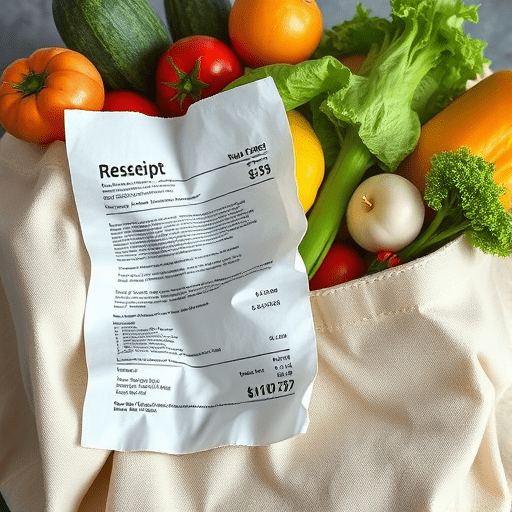
Cultural purists have long argued that the best way to understand a place is through its food. But the usual method—scrolling through restaurant reviews and reserving a table at the trendiest bistro—often leaves you with a curated performance, not a genuine taste of daily life. The next time you land somewhere new, skip the menu board and read a local’s grocery receipt instead. A supermarket slip, crumpled at the bottom of a canvas tote, is an unedited transcript of how real people eat. It shows you what they buy when nobody is performing, which brands they trust, and which ingredients they simply cannot live without. For the curious traveler in 2026, the grocery receipt has become a far more honest travel guide than any “top ten foods to try” listicle.
What a Receipt Reveals That a Menu Hides
A menu is a restaurant’s pitch. It is heavily curated, photographed, translated, and often adjusted to suit foreign palates. A grocery receipt, by contrast, is an accidental document. It records ordinary decisions made under no scrutiny—the yogurt chosen without thought, the extra packet of stock cubes, the peculiar local soda bought out of habit.
When you study a receipt from a local household, you are not looking at a chef’s ambition but at the steady rhythm of a culture. The presence of fresh herbs in nearly every transaction, the ratio of rice to bread, the absence of what you assumed was essential—these are all clues. A receipt tells you about portions, dietary red lines, and comforting shortcuts. It even reveals meal patterns: a single tomato and a small bag of chilies might indicate a solo lunch, while a sack of masa harina points to a weekend ritual of tortillas made from scratch.
Unlike a menu, the receipt does not try to emotionally move you. It is simply data, and data has a way of cutting through nostalgia.
Aisle Layouts: The Cartography of Local Taste
Walk into any supermarket and you are reading a map of local priorities. Aisle placement is a silent negotiation between convenience, markup, and cultural frequency. In one country, the cheese cave is placed immediately at the entrance because nobody will leave without it. In another, fermented bean paste and stock bases occupy an entire aisle, with row after row of identical-looking jars that are, in fact, subtly different. The layout is not random; it is a mirror of the national palate.
Consider the produce section. In many Mediterranean stores, herbs like coriander, parsley, and mint are sold by the bundle at eye level, not shrunk into small plastic boxes. In parts of East Asia, the greens aisle is a breathtaking array of varieties that most Western visitors have never seen: water spinach, chrysanthemum leaves, and innumerable small bok choy hybrids. When you read a local’s grocery receipt, you know exactly which of those greens ended up in a real shopping cart—not just which ones look photogenic on Instagram.
Then there are the ambient aisles. Locating a shelf of powdered milk in one country, for example, tells a story of heat, logistics, and breakfast habits. Finding a generously stocked shelf of instant noodles in a Dutch city should not be interpreted as Asian influence alone, but as a quick student meal. The layout must be read carefully, but the effort pays off in a precise, unsentimental view of how food is actually used.
Decoding Shelf Brands: House Labels and Heritage Ingredients
Perhaps the most revealing information on any grocery receipt is the brand. A local’s receipt is almost always a catalog of “house brands” and legacy labels. Supermarket chains in many countries produce their own goods that outsell global multinational brands because they are tuned to local expectations. A private-label olive oil in Spain is not a generic cheap substitute; it can be an extremely competent everyday oil sourced from regional groves. The same goes for butter in France, soy sauce in Japan, or tomato passata in Italy.
When you read a local’s grocery receipt instead of a menu, you begin to recognize these names. Seeing the same in-house label appear on invoice after invoice signals that the supermarket understands its customers deeply enough to create a default product. That is a powerful form of cultural intelligence.
The flip side is equally fascinating: imported goods that fail to find a home. A receipt from an American grocery store often includes many brands you already know, but a transfer to a European neighborhood reveals a starkly smaller global footprint. Knowing which products are not on the receipt is a lesson in cultural boundaries. You will also notice how “local” can be tricky. A brand may be owned by a multinational but retain an iconic local image. Reading labels—actually turning the package around—tells you the place of origin, the language of the front label, and whether the product changes its recipe by market. That kind of detail is far more nuanced than a menu’s short description of a “house specialty.”
The Hidden Signals in Packaging and Portions
Grocery receipts carry another layer of cultural evidence: portion logic. The average size of a yogurt pot, a loaf of bread, or a bag of rice varies dramatically. In some cultures, portions are designed for single-person households that eat out often. In others, enormous family packs speak to longer meal rituals and tight household budgets. Even the dimensions of a milk carton tell a story about fridge size, consumption speed, and daily routines.
Packaging also reveals language and multilingualism. Products sold in regions with multiple official languages often carry labels in several tongues. A milk carton in Finland, with its dense stack of warnings, says something about regulatory culture; a fruit drink label in Southeast Asia filled with vivid illustrations and minimal text suggests a shopping culture that encourages impulsive, joyful buying.
Receipts also show how shopping trips are structured. A quick jaunt that includes fresh vegetables, a single chicken breast, and one bar of chocolate points to European-style daily shopping. A giant monthly haul with twenty bags of frozen goods signals a different lifestyle. The physical spacing of supermarket aisles similarly gives you a sense of whether the store assumes you will arrive on foot or by car, whether you will shop alone or with the family, and whether you intend to linger or rush out.
Putting Receipt Reading into Practice
You do not need to become a data analyst to use this trick. On your next trip, find a supermarket that is clearly patronized by locals—particularly one a few bus stops away from the tourist area. Stand near the checkout and make a mental note of what previous customers have left behind on the conveyor belt. Even better, just ask a friendly shopper if you can keep their receipt for your culinary research. In most places, people are amused by the request and will sometimes explain their own buying logic. That conversation is worth more than any restaurant review.
Once you have a receipt in hand, compare it with the supermarket’s private label. If a store’s own roasted chicken appears on all receipts, try it. If a particular brand of unsweetened soy milk shows up again and again, add it to your morning coffee. The beauty of this method is that it is cheap, repeatable, and endlessly local. It also courses through your travel experience a new kind of curiosity: instead of asking “where should I eat?” you begin asking “what do these people consume when no one is watching?”
Conclusion
In a world where so much of food culture is staged for tourists, the grocery receipt is a rare form of unedited truth. It captures the ordinary repetitions that define a community’s daily palate, the shelf brands that carry inherited trust, and the aisle layouts that quietly encode centuries of cooking habits. When you read a local’s grocery receipt instead of a menu, you are not just gathering shopping data—you are learning to see a place as it sees itself, one humble item at a time.